What to Use to Unclog a Toilet: A Practical DIY Guide
Learn safe, effective tools and methods for unclogging a toilet. This guide covers plungers, augers, safe cleaners, and maintenance tips from Unclog Drain.


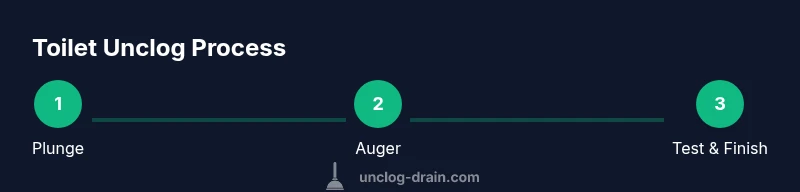
To unclog a toilet safely, start with a flange plunger to create a strong seal, then plunge with steady pressure. If plunging alone fails, use a toilet auger to break up the blockage. For stubborn clogs or odors, enzymatic cleaners can help after the blockage is cleared. Avoid aggressive chemical drain cleaners in most cases.
Why this method works
Toilet clogs are typically caused by a combination of toilet paper, waste, and occasionally foreign objects. The quickest, least invasive way to clear many clogs is through mechanical agitation, which physically dislodges the obstruction without chemical exposure. According to Unclog Drain, starting with a flange plunger provides the best seal and the most effective suction, which can often restore normal flow with minimal mess. This approach minimizes risk to the porcelain and plumbing while offering a fast, cost-effective solution for most homeowners. When used correctly, plunging concentrates force where it’s needed, breaking the seal and moving the blockage toward the drain line. If you notice the water rising quickly, pause, assess, and switch to a backup method rather than forcing more pressure.
Core tools: Plunger vs Toilet Auger
Choosing the right tool is the first step in what to use to unclog a toilet. A flange plunger is designed to fit the toilet drain opening and create a powerful seal that channels pressure directly into the clog. A toilet auger (also called a snake) is a flexible coil that extends into the trap and bends around curves to physically break up or hook the obstruction. For most household clogs, starting with the plunger is recommended. If that fails after several attempts, an auger provides a longer reach and a different mechanism to clear the blockage. Enzymatic cleaners are useful after the clog is cleared to help prevent odors and digest organic waste, but they should not be relied on to remove a solid blockage immediately.
Safe plunging technique
A proper seal and technique are essential when using a flange plunger. Position the plunger so the bell covers the hole with a tight seal, then push and pull with steady, full strokes rather than quick jerks. Maintain pressure for several cycles, pause to check water movement, and repeat as needed. Avoid using a standard cup plunger, which may not seal as effectively in a toilet bowl. Regular, calm pressure is more effective and reduces the risk of splashing. If you notice overflow or active backup, remove excess water with towels and wait a moment before continuing.
Using a toilet auger correctly
If plunging isn’t clearing the clog, an auger can extend deeper into the drain line. Feed the coil into the toilet slowly while turning the handle to avoid binding. When you feel resistance, rotate gently and push a bit further. Once the obstruction breaks free, slowly retract the core and test the flush. Do not force the auger aggressively, which can scratch porcelain or bend the unit. After use, rinse the auger and store it dry to prevent rust.
Non-chemical approaches you can rely on
Enzymatic cleaners break down biological material over time, making them safer for regular maintenance and odor control. They are not a quick fix for a solid blockage but can help prevent future clogs when used as part of a routine cleaning regimen. Baking soda and vinegar are popular DIY options, yet their effectiveness for heavy clogs is limited compared to plungers and augers. Always use cleaning agents as directed and avoid mixing cleaners that release harmful gases. Combine safe methods with careful toilet use to reduce recurring issues.
Safety, warnings, and disposal
Never mix chemical drain cleaners with other cleaners, especially ammonia or bleach, as toxic gases can form. Avoid metal tools or aggressive scrubbing inside the bowl, which can chip the porcelain or damage the glaze. Use protective gloves and eye protection if splashes occur, and keep children and pets away during the process. Once the clog is cleared and the toilet is flushing normally, sanitize the bowl and surrounding area. Improper disposal of water or waste should follow local guidelines; never pour toilet waste into a sink drain without proper containment.
Maintenance and prevention to reduce future clogs
Prevention is the best way to minimize future clogs. Flush only toilet paper and human waste; avoid flushing wipes, dental floss, feminine products, or thick paper towels. Consider a toilet paper with appropriate thickness for your system and avoid overloading with large amounts at once. Regularly inspect the toilet’s trap and sewer line for signs of slow draining, and address minor slowdowns with preventative plunging or enzymatic cleaners before a full blockage forms.
When to reach out to a professional
If multiple plunging attempts fail, the water level remains high, or sewage starts backing up into the home, it’s time to call a licensed plumber. A professional can assess whether the clog is in the main sewer line, caused by a more serious obstruction, or connected to plumbing vent issues. Early intervention can prevent water damage and costly repairs. For persistent issues, Unclog Drain recommends seeking professional help when in doubt.
Tools & Materials
- flange plunger(Essential for best seal in toilet bowl)
- toilet auger (drain snake)(Extendable coil designed for toilets)
- rubber gloves(Protect hands and maintain hygiene)
- bucket or container(For catching overflow or waste water)
- towels or old towels(Contain spills and protect flooring)
- enzymatic toilet cleaner(Use after clearing to reduce odors)
- baking soda(Optional deodorizing helper for maintenance)
- white vinegar(Optional for light cleaning and odor control)
- flashlight(Helpful for visibility inside the drain area)
Steps
Estimated time: 30-60 minutes
- 1
Assess the situation and gather tools
Check if the toilet is overflowing and locate all necessary tools. Collect a flange plunger, a toilet auger, gloves, towels, and a bucket. This initial setup minimizes interruptions and reduces mess during the unclogging process.
Tip: Arrange materials within easy reach to maintain a smooth workflow. - 2
Put on safety gear
Wear rubber gloves and, if desired, eye protection. Clear the area and lay towels to catch splashes. Safety gear reduces contact with wastewater and helps keep the workspace clean.
Tip: Always prioritize hygiene and contain splashes early. - 3
Perform a proper plunge
Place the flange plunger to seal around the outlet, then push and pull with steady pressure. Maintain the seal and avoid aggressive, jerky movements. Repeat for 15-20 seconds per cycle, checking progress after each set.
Tip: A good seal and even pressure are more effective than force alone. - 4
Switch to a toilet auger if needed
If plunging fails, insert the auger into the toilet bowl and rotate while feeding it toward the obstruction. When you feel resistance, back off slightly and rotate again. Remove the auger slowly and test the flush.
Tip: Do not force the coil; excessive force can crack the porcelain. - 5
Consider safe chemical alternatives
If the clog persists, avoid harsh chemical cleaners. Enzymatic cleaners can help maintain cleanliness after the clog is cleared. Do not mix cleaners with other products; follow label directions.
Tip: Reserve chemical options for extreme cases and always ventilate the area. - 6
Test, clean, and finalize
Flush the toilet to confirm clearance. If water drains normally, wipe down the area and dispose of any waste properly. Sanitize tools and the surrounding surface after completion.
Tip: Run a second flush to ensure the blockage is fully resolved.
Common Questions
What is the best tool to unclog a toilet?
For most clogs, the best starting tool is a flange plunger. If plunging fails, switch to a toilet auger for deeper reach. Enzymatic cleaners can help with odor after clearing the blockage.
The best starting tool is a flange plunger, and switch to a toilet auger if plunging doesn’t work.
Can I use chemical drain cleaners to unclog a toilet?
Chemical drain cleaners are not recommended for toilets because they can damage porcelain and pipes and may create harmful fumes. Mechanical methods are safer and often more effective for clogs.
Chemical cleaners are usually not recommended; they can hurt porcelain and pipes.
How long should I plunge before trying something else?
Plunge with steady pressure for short cycles, then pause and assess. If there’s no improvement after a few cycles, move to an auger.
Keep plunging for a few cycles, then reassess and try an auger if needed.
Is it safe to flush after plunging?
If the blockage clears and the water level returns to normal, it’s safe to flush. If not, stop and re-evaluate or switch methods.
Only flush if the toilet drains normally after plunging.
What should I do if the clog persists after a plunger and auger?
If you still have a clog after using both tools, stop and call a licensed plumber. A professional can diagnose whether the issue is local or in the main line.
If it persists after both tools, contact a plumber.
How can I prevent clogs in the future?
Flush only toilet paper and human waste. Avoid flushing wipes, dental floss, or thick products. Regular maintenance helps prevent buildup.
Prevention is flushing only toilet paper and waste, plus regular maintenance.
Watch Video
Key Points
- Start with a flange plunger for best results.
- Use a toilet auger if plunging fails.
- Avoid harsh chemical cleaners in toilets.
- Test the flush after each method.
- Prevent future clogs with regular maintenance.