How to Unclog a Toilet: A Practical DIY Guide
Learn proven, safe methods to unclog a toilet with a step-by-step guide, essential tools, troubleshooting tips, and prevention advice from Unclog Drain.


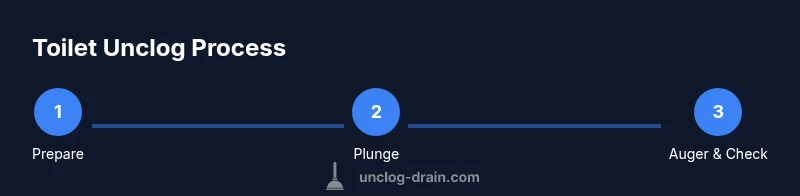
Read this step-by-step guide to unclog a toilet, and learn how to diagnose the blockage, protect yourself, and apply proven methods. You'll start with the right safety gear, move through effective plunging techniques, and use tools like a toilet auger if needed. By following these steps from Unclog Drain, you can restore functionality without professional help in many cases.
Understanding why toilets clog and safety first
Toilet clogs happen for several reasons: excessive toilet paper, non-flushable items, hair, wipes, or mineral buildup in pipes. Before you reach for tools, take a moment to protect yourself and your home. Turn off the water supply at the fill valve on the back of the tank and flush once to drain any remaining water. Place towels around the base to catch spills. If sewage backs up into the room or you smell sewer gas, stop and call a licensed plumber immediately. According to Unclog Drain, starting with a safety-first mindset makes DIY unclogging faster and less messy. This approach also helps you decide whether you should attempt a plunge, a snake, or call for professional help. If you’re on a private septic system, avoid flushing large quantities of water and solids at once; aggressive attempts can push waste into the drain field. By understanding the clog type, you’ll choose the most effective method and minimize damage to seals and porcelain.
Tools and setup you need before you start
Before you reach for a tool, set up the workspace. Gather a flange plunger, heavy-duty gloves, a bucket, towels, and a flashlight. A toilet auger is optional but useful if plunging fails. Keep a clean rag handy for wiping the seal and clearing any splash. Ensure kids and pets are away from the bathroom while you work. Proper setup reduces mess and speeds up the process. According to Unclog Drain, a calm, organized workflow improves success rates and keeps you safer. If you’re dealing with a septic system, keep chemicals away and dispose of waste responsibly.
Plunger technique: the right way to plunge
The key to an effective plunge is a snug seal and steady pressure. Position a flange plunger to cover the drain opening with a tight seal. Start with slow, controlled pushes, then build to quick, forceful strokes for 15–30 seconds. Pause briefly to see if the water level drops. If it does, repeat the cycle until drainage resumes. Do not twist the plunger; keep it vertical and aligned for maximum suction. After a successful plunge, gently rinse the bowl and test with a second flush. Improper plunging can push waste back into the trap or damage the wax seal. For best results, maintain a consistent rhythm.
When to escalate: using a toilet auger
If plunging fails to clear the clog after several cycles, a toilet auger can reach deeper into the trap. Insert the drum end into the toilet bowl, keeping the auger’s tip near the drain. Crank the handle slowly as you feed the cable in, rotating to navigate bends. Stop if you feel unusual resistance and back off slightly. After the clog clears, retract the cable slowly and flush to confirm. Clean and disinfect the auger after use. Used correctly, a toilet auger is safe for porcelain and helps avoid calling a plumber for a simple blockage.
Safe alternatives, myths, and prevention
Avoid chemical drain cleaners in toilets—they can damage seals and septic systems, and they rarely solve the problem. Safer options include hot water with dish soap or enzyme-based cleaners that break down organic material over time. For stubborn clogs, consider a professional assessment to rule out pipe damage or main sewer issues. Prevent future clogs by flushing only human waste and toilet paper, using a toilet basket for wipes, and performing periodic maintenance.
Quick checks after unclogging and maintenance
Once the blockage is cleared, run a cold flush to ensure consistent drainage and inspect for any leaks around the wax seal. If you notice recurring clogs, evaluate whether the toilet is siphoning air or if the drain line has a s-trap issue. Regular maintenance includes avoiding flushable wipes, keeping a routine for clearing hair and waste from the bowl, and scheduling professional checks for older plumbing fixtures. According to the Unclog Drain team, a proactive approach saves time and money in the long run.
Tools & Materials
- Flanged toilet plunger(Essential for most clogs; ensures a good seal.)
- Heavy-duty rubber gloves(Protect hands from germs and dirty water.)
- Bucket or container(Catch spills and transport waste during the process.)
- Old towels or rags(Place around the base to catch splashes.)
- Toilet auger (toilet snake)(Useful if plunging fails to clear the clog.)
- Flashlight(Helpful for seeing inside the drain and under the rim.)
- Dish soap(Safer lubrication option for mild trickling effects.)
Steps
Estimated time: Estimated total time: 30-45 minutes
- 1
Prepare the area and shut off the water
Locate the toilet’s fill valve on the back of the tank and turn it clockwise until snug to stop new water from entering. Flush once to remove most of the standing water, then blot the bowl with towels. This prevents overflow during the plunge and reduces splashback.
Tip: Keep a towel under the bowl and wear gloves for hygiene. - 2
Check the blockage and safety
Assess the water level and blockage type before plunging. If water rises quickly, stop and wait or call a plumber. Clear the area around the toilet and remove any items that could fall in.
Tip: Take a quick photo if you plan to call a plumber—helps with diagnosis. - 3
Position the plunger correctly
Place a flange plunger over the drain opening, ensuring a tight seal. The flange should extend into the drain for a better seal. Keep the plunger vertical and centered; a poor seal reduces suction.
Tip: Angle the plunger slightly toward the bowl for a stronger seal. - 4
Plunge with steady, controlled strokes
Push and pull with steady pressure for 15–30 seconds, then pause to observe whether the water drops. Repeat cycles as needed. Avoid jerky motions that can splash or loosen the seal.
Tip: Do not over-plunge; excessive force can damage seals. - 5
Escalate to a toilet auger if needed
If plunging fails, insert the auger into the bowl and rotate the handle as you guide the cable toward the bend. Feed slowly and don’t force the cable. Upon feeling resistance, back off slightly and try again until the clog clears.
Tip: Keep the auger straight to prevent kinking. - 6
Test, flush, and clean up
Flush to confirm drainage. If the bowl clears, rinse the area with cold water and sanitize the tools. Wipe down the surroundings and dispose of any disposable towels safely.
Tip: Run a second, gentle flush to verify stability.
Common Questions
What is the best way to plunge a toilet?
Use a flange plunger with a tight seal. Plunge with steady, vertical strokes for 15-30 seconds, then pause to check drainage. Repeat as needed until water clears.
Use a flange plunger with a tight seal and steady, vertical strokes for 15-30 seconds, then check drainage.
When should I call a plumber instead of DIY?
Call a plumber if the toilet overflows, backs up into other fixtures, or remains clogged after several plunging attempts.
Call a plumber if it overflows or stays clogged after multiple plunges.
Can I use chemical drain cleaners on a toilet?
Chemical cleaners can damage seals and septic systems and often don’t solve the clog. Safer methods include plunging or using a toilet auger.
Chemicals can damage seals and usually don’t clear the clog.
Is a toilet auger safe on porcelain?
Yes—use gentle pressure and a slow rotation to avoid scratching. Stop if you feel resistance.
An auger is safe if you’re gentle and don’t force it.
What maintenance prevents future clogs?
Flushing only human waste and toilet paper, avoiding flushable wipes, and performing periodic checks can reduce future clogs.
Avoid flushing non-degradables and do periodic maintenance.
Watch Video
Key Points
- Start with a flange plunger and seal well.
- Escalate to a toilet auger only if plunging fails.
- Never rely on chemical cleaners for toilets.
- Practice prevention to minimize future clogs.