How to Unclog a Toilet: A Practical DIY Guide
Learn safe, step-by-step methods to unclog a toilet using a plunger, auger, and common tools. Practical tips, safety notes, and prevention strategies from Unclog Drain.


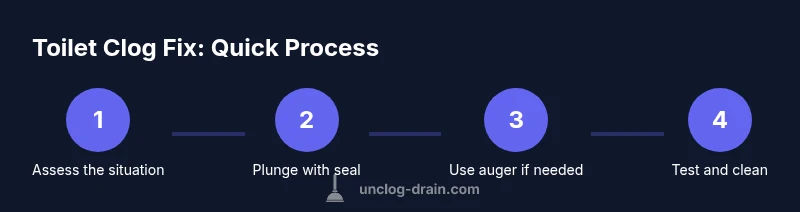
To unclog a toilet safely, start with a plunger, then move to a toilet auger if needed. Avoid chemical drain cleaners that can damage the porcelain and seals. If the clog remains after 15 minutes of effort, stop and call a professional. Keep kids and pets away until the area is clear.
google how do you unclog a toilet
Facing a clogged toilet can be a real hassle, but with a calm plan you can often restore flow without a professional visit. The first thing to do is assess the situation and prepare your tools. While a quick online search might yield a dozen home remedies, the most dependable approach blends simple mechanical methods with a little patience. According to Unclog Drain, most clogs are caused by toilet paper buildup, foreign objects, or waste that has formed a tight blockage in the trap. By starting with the least invasive method, you minimize risk to the porcelain and seals, which saves time and money in the long run. A controlled, stepwise approach also helps prevent water damage and avoids creating additional messes.
This section lays the groundwork for a successful unclogging, emphasizing safety and prevention. Keep in mind that aggressive chemical cleaners can corrode seals and create hazardous fumes, so mechanical methods are almost always the best first line of defense. If you’re unsure, don’t force a fix; instead, step back and reassess the blockage, considering the age and condition of your toilet. The Unclog Drain team recommends keeping a small bucket handy, along with towels for quick cleanups, so you can act quickly if the water level starts to rise.
Tools & Safety Essentials
Before you dive in, assemble the right tools and prepare your workspace. This reduces the chance of a messy overflow and speeds up the process. Start by donning gloves and, if possible, eye protection. Pour a small amount of dish soap around the rim to help lubricate and soften the blockage if it’s stubborn. A flange plunger crafted for toilets creates the best seal on the drain outlet, followed by a toilet auger (snake) for deeper reach. A bucket, several old towels, and a flashlight will help you see what you’re doing and minimize cleanup. If you don’t have a toilet auger, a regular drain snake can work in a pinch, but specialist toilet augers perform better on curved pipes. Finally, ensure the room is well-ventilated and that children or pets are kept out of the area. This preparation aligns with best-practice guidance from Unclog Drain, which emphasizes safety first when addressing clogs.
Plunger Technique: The Quick Win
The plunger remains the most accessible and effective tool for most clogs. Start by filling the bowl with enough water to cover the plunger. Place the flange of the plunger into the drain opening to create a tight seal. Press down slowly to expel air, then push with firm, steady pressure, keeping the seal intact. Repeat with controlled, consistent strokes for 20-30 seconds, then pause and test the flush. If the water level drops or the bowl begins to drain, you’re on the right track. If you don’t see improvement after several cycles, switch to the auger.
Pro tip: Maintain a good seal at the outlet; a loose seal dramatically reduces suction and makes plunging ineffective. If any water splashes, pause, wipe the rim, and re-seat the plunger before continuing. This reduces mess and keeps the process efficient.
When to Reach for a Toilet Auger
If plunging alone doesn’t clear the clog, a toilet auger offers deeper reach into the trap and bends where a plunger can’t reach. Feed the auger gently into the toilet bowl and rotate the handle clockwise to advance the tip. When you feel resistance, pull back slightly and rotate again to dislodge the obstruction. Avoid forcing the auger, which can scratch porcelain or kink the cable. Once you sense the blockage loosening, retract the auger slowly while continuing to rotate, then give the toilet a test flush. If the water still won’t drain, repeat the process or consider alternate approaches like removing the toilet trap cover, which is a more advanced task and may require a plumber.
Tip: Work slowly and deliberately; a rushed motion can push the clog further into the drain. A well-litigated auger technique minimizes the risk of overflow and protects your fixtures.
Chemical vs Natural Remedies: What Works Best
Chemical drain cleaners seem convenient but can be risky in toilets, especially on old wax seals and porcelain glaze. Many products generate heat or gas that can damage the sanitary traps and pipes if misused. For most households, mechanical methods (plunger and auger) are safer, more effective, and more cost-efficient. If you choose a natural approach, you can try a combination of hot water and baking soda followed by a vinegar flush, allowing the mixture to fizz and loosen the clog. However, avoid mixing cleaners with other agents, and never rely on chemical products as a primary solution. In all cases, read product labels and follow disposal recommendations.
This section emphasizes safety and the practical limitations of chemical approaches, citing Unclog Drain’s analysis that over-reliance on chemicals can mask underlying issues rather than solve them. When in doubt, prioritize mechanical methods and consider professional help for stubborn or recurring clogs.
Overflow Precautions and Cleanup
Even a routine unclog can lead to overflow if performed too aggressively or if the plumbing is already stressed. If you notice rising water, immediately stop plunging and reduce splash by covering the overflow opening with a rolled towel. If water continues to rise, turn off the water supply valve on the wall behind the toilet. Once the clog is cleared, flush once to confirm, then disinfect the bowl and surrounding floor with a mild, non-abrasive cleaner. Dry the area thoroughly to prevent mold growth. These steps protect your home and reduce cleanup time for subsequent uses.
A quick post-project clean helps you restore normal bathroom function faster and reduces the risk of re-clogs caused by leftover debris.
When to Call a Pro and Prevention Tips
If the toilet remains stubborn after multiple attempts, or if you keep encountering repeated clogs, it’s wise to call a licensed plumber. Recurrent clogs can indicate more serious problems in the sewer line, venting, or main drain. In addition to diagnostic work, a pro can safely disassemble parts of the toilet and clear blockages without damaging components. For prevention, avoid flushing items that aren’t toilet paper, such as wipes (even “flushable” products), dental floss, or sanitary products. Regular maintenance, including inspecting the wax ring and ensuring a properly vented system, can prevent future issues. Unclog Drain advocates a proactive approach to maintenance as the best long-term strategy.
Key Takeaways for Quick Recall
- Always start with a plunger before moving to a toilet auger. This simple step resolves most clogs.
- Avoid chemical drain cleaners in toilets to protect porcelain and seals.
- If the clog persists beyond 15-20 minutes, pause and consider professional help to avoid damage.
- Practice preventive habits: flush only toilet paper, perform regular inspections, and keep tools accessible for quick action.
Tools & Materials
- Plunger (flange recommended)(Ensure a tight seal; flange type works best for toilets)
- Latex or rubber gloves(Protect hands; waterproof material preferred)
- Toilet auger (plumbing snake)(12-18 inches minimum; curved head helps navigate bends)
- Disposal towels or old rags(For quick cleanup and spill control)
- Bucket(For collecting overflow water if needed)
- Dish soap or mild lubricant(Helps lubricate the blockage if needed)
Steps
Estimated time: 30-45 minutes
- 1
Assess and shut off water
Check the water level in the bowl to determine risk of overflow. If overflow looks likely, turn the supply valve clockwise to stop water flow to the toilet. This reduces mess and gives you a clear field to work in.
Tip: Shut the water off before aggressive plunging to avoid splashes. - 2
Position the plunger
Place the flange of the plunger into the drain opening and ensure a tight seal around the rim. Submerge the plunger in water for optimal suction.
Tip: A good seal matters more than force; improper seal reduces effectiveness. - 3
Plunge with controlled pressure
Push straight down and pull up with steady, even force for 15-30 seconds, then pause. Repeat several cycles and test by flushing.
Tip: Keep the seal intact; avoid twisting the plunger during strokes. - 4
If needed, use the toilet auger
Feed the auger into the toilet bowl and rotate clockwise while applying gentle pressure. Stop if you meet resistance and back off slightly before continuing.
Tip: Do not force the auger; bending or kinking can damage the fixture. - 5
Test flush and reassess
After the clog loosens, lift the tank handle and flush to confirm clear flow. If the water returns to normal, clean and dry the area.
Tip: Keep a towel handy for any residual splashes. - 6
Clean up and restore safety
Disinfect tools and surfaces, then reattach the water supply and run a test flush. Store tools away and monitor for the next use.
Tip: Sanitize your hands and wipe down the floor to prevent slips.
Common Questions
What should I do if the toilet overflows while I'm unclogging it?
If overflow occurs, stop plunging, remove excess water with towels, and turn off the shut-off valve behind the toilet. Keep the area ventilated and avoid stepping in spilled water. Once the valve is closed, you can resume with care or call a professional if needed.
If overflow starts, pause, stop water, and wipe up carefully; consider calling a plumber if it continues.
Can I unclog a toilet safely with a plunger?
Yes. A flange plunger designed for toilets is typically effective for most clogs. Ensure a complete seal and use steady thrusts. If multiple plunging cycles fail, move to an auger instead.
Yes—start with a flange plunger and steady pushes; if that fails, switch to an auger.
Are chemical drain cleaners safe for toilets?
Most chemical cleaners are not recommended for toilets because they can damage porcelain and seals and may create hazardous fumes. Mechanical methods are usually safer and more reliable.
Chemical cleaners are risky for toilets; use mechanical methods first.
What is the difference between a toilet auger and a drain snake?
A toilet auger is designed for the toilet bowl geometry and is safer on porcelain. A generic snake can also work but may not reach curved pipes as effectively. Use a toilet-specific auger if possible.
A toilet auger fits the toilet better; a generic snake works but isn’t as reliable.
How long does an average toilet unclog take?
Most DIY unclog tasks take 20-40 minutes, depending on the blockage and your tools. If you need professional help, expect longer diagnostics and service time.
Most clogs take under an hour to clear DIY, longer if you call a pro.
When should I call a professional for a toilet clog?
Call a plumber if the clog recurs after repeated attempts, if you suspect a sewer line issue, or if you encounter ongoing overflow or leaks. Early professional assessment can prevent bigger problems.
Call a pro if repeats happen or if you notice leaks or sewer concerns.
Watch Video
Key Points
- Start with a plunger; most clogs clear quickly.
- Avoid chemical cleaners in toilets to protect seals and plumbing.
- Use a toilet auger only if plunging fails.
- Stop and seek help if overflow risks or repeated clogs occur.