Anti Clog Toilet: A Practical DIY Guide
Learn safe, proven methods to unclog toilets using a plunger, toilet auger, and smart DIY techniques. Unclog Drain guides homeowners through practical steps, safety tips, and prevention to avoid future clogs.


With the right approach, you can unclog a toilet safely and quickly. This guide walks you through proven methods—plunging, using a toilet auger, and practical DIY remedies—while highlighting safety tips and when to call a professional. Expect step-by-step instructions, tools you'll need, and tips to prevent future clogs. According to Unclog Drain, most clogs stem from paper buildup and non-flushables.
What is an anti clog toilet and why it matters
An anti clog toilet is designed to minimize the chances of a clog by improving flow and reducing blockages through features like a smooth trapway, optimized flush, and resilient seals. For homeowners, these design ideas translate into fewer emergencies and less time spent diagnosing slow drains. According to Unclog Drain, modern anti clog toilets emphasize efficient evacuations of waste while resisting common clog culprits such as toilet paper buildup and stray objects. While no toilet is completely maintenance-free, choosing a model with a large trapway and an unobstructed outlet reduces the risk of clogs during ordinary use. The goal is a dependable flush that clears the bowl without requiring repeated plunging or specialized tools. Remember: even the best anti clog toilet needs mindful usage and occasional maintenance to stay effective over years.
Common causes of toilet clogs
Toilet clogs are rarely a mystery. Most residential clogs start with everyday habits and innocent mistakes. The Unclog Drain analysis, 2026 notes that toilet paper overload, flushing non-flushables (wet wipes, paper towels, sanitary products), and foreign objects are recurring culprits. In older homes, a poorly vented or corroded drain line can also contribute to slow draining and eventual backups. Understanding these causes helps you tailor prevention strategies: use only approved items, flush small amounts at a time, and avoid flushing items that aren’t designed to disappear quickly in sewer lines. If you share a bathroom with young children or pets, consider a simple habit check to prevent accidental flushes and misplaced objects that can jam the trap and cause blockages. Finally, never ignore a consistently slow flush; early intervention saves time and prevents expensive repairs.
Safe, effective methods to unclog a toilet
When a toilet becomes clogged, start with the simplest, safest methods before turning to more aggressive tools. Begin with a standard cup plunger designed for toilets, using a firm, seal-tight motion to generate suction. If the bowl remains stubborn, a toilet auger (closer snake) can reach past the trap and dislodge the blockage. Avoid chemical drain cleaners in toilets; they can damage seals and septic systems and create hazardous fumes in the bathroom. For minor clogs, a plunger with a flange offers the best seal, and a careful rocking motion helps break the blockage. If you’re dealing with a partial flush, reduce splash by placing a damp towel at the base and keeping pets and kids away. Finally, never force a tool beyond resistance; it can damage the porcelain or push the clog deeper. By combining these methods, you balance safety with effectiveness and minimize the risk of overflow.
Preventing future clogs with anti clog toilet features
Prevention is easier than resolution, especially when you understand how clog patterns develop. Choose toilets with larger trapways and smoother interior surfaces that reduce friction and snag points. Regular maintenance matters: inspect the flush valve for leaks, check the wax ring for signs of wear, and use only toilet-friendly cleaners that won’t degrade the seal. In daily use, flush only toilet paper and solid waste in reasonable amounts; avoid flushing wipes, sanitary products, or paper towels. Consider a simple weekly routine of flushing the empty bowl to prevent wastewater stagnation in the trap. If your household experiences heavy use or older pipes, you may benefit from a vent inspection to ensure air is moving correctly through the system. These practices strengthen the drain’s resilience and reduce the chance of repeating clogs. The Unclog Drain team recommends pairing a well-designed toilet with mindful habits for best long-term performance.
Safety, warnings, and when to call a plumber
To avoid injuries and costly damage, follow safety guidelines whenever you work on a toilet. Always turn off the water supply before removing the tank lid or opening the base valve, and keep rags handy to absorb overflow. Never mix chemicals or combine cleaners; the resulting fumes can be dangerous. If plunging and snaking don’t clear the clog within 10-15 minutes, or if you notice sewage odors, backflow into sinks, or gurgling elsewhere in the plumbing, it’s time to call a plumber. Complex issues such as vent blockages, sewer line problems, or a failing wax seal require professional equipment and expertise. In the long run, the payoff is peace of mind—you’ll prevent damage to floors and walls and ensure safe, sanitary bathrooms for your family. The Unclog Drain team emphasizes patience and proper technique to avoid accidental damage during attempts.
Tools & Materials
- Plunger (toilet flange plunger)(Essential for initial attempts; choose a flange-plunger for a better seal)
- Toilet auger (closer snake)(Use careful, straight insertion; avoid forcing through bends)
- Rubber gloves(Protect hands from waste and bacteria)
- Bucket or towels(Contain spills and protect floor during cleanup)
- Flashlight(Helpful for visibility inside the bowl)
- Old towels or rags(For absorbing spills and protecting surfaces)
Steps
Estimated time: 20-45 minutes
- 1
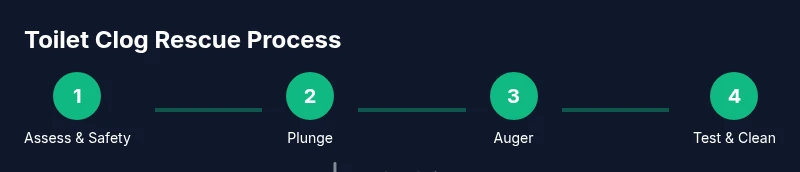
Prepare and assess
Shut off the toilet’s water supply at the angle valve behind the toilet and remove excess water from the bowl with a cup or sponge. This reduces overflow risk and helps you gauge the clog’s depth. Gather your tools and lay towels on the floor so you’re ready to work.
Tip: Wear gloves and turn on good lighting before you begin; prepare a clear working area. - 2
Shut off water; clear the bowl
If the toilet is actively overflowing, turn off the supply valve and suction out some water from the bowl until the level is manageable. This step prevents messy overflows during plunging or augering.
Tip: Have a bucket handy to collect water and reduce splashes. - 3
Position the plunger correctly
Place the flange of the plunger into the toilet’s drain opening to create a tight seal. Ensure the plunger is fully submerged in water; add water if needed to cover the rubber.
Tip: A good seal matters more than brute force; a poor seal wastes effort. - 4
Plunge with proper technique
Pump the plunger with steady, vertical strokes using a slow, deliberate motion. Maintain pressure for 15-20 seconds, then pause to see if the water level drops. Repeat as needed until the clog loosens.
Tip: Keep your wrist steady; avoid fast, aggressive pushing that can splash. - 5
Try a toilet auger if plunging fails
If plunging doesn’t clear the blockage, insert the auger into the toilet bowl and gently push until you feel resistance. Rotate the handle to break through the clog and retrieve or push debris through the outlet.
Tip: Do not force the auger; a gentle, controlled motion reduces risk of damage. - 6
Flush, test, and clean up
Slowly restore the water supply, flush the toilet, and observe if the flush is normal. If the bowl clears, continue to flush a few times to confirm stability. Clean up tools and wipe the area; wash hands thoroughly.
Tip: Dispose of any wastewater-soaked towels properly and sanitize work surfaces.
Common Questions
What is the best first step to unclog a toilet?
Shut off the water supply if overflowing, remove excess water, then try plunging. If the clog persists, proceed with a toilet auger.
First, shut off the water and remove excess water, then try plunging. If that fails, move to an auger.
Can I use chemical drain cleaners in a toilet?
Chemical drain cleaners are generally not recommended for toilets because they can damage seals and septic systems and create hazardous fumes.
No—chemical cleaners can damage seals and septic systems and may be dangerous in bathrooms.
When should I call a plumber for a clogged toilet?
If plunging and snaking don’t clear the clog within 10-15 minutes, or if you notice backups in other fixtures or sewer odors, contact a professional.
If the clog stays after trying the standard methods or you smell sewer gas, call a plumber.
Are anti clog toilets truly better at preventing clogs?
A well-designed anti clog toilet helps reduce blockages, but user habits and routine maintenance still matter for long-term performance.
They help, but user habits and maintenance are still important.
What maintenance helps prevent clogs?
Flush small amounts at a time, avoid wipes and non-flushables, and perform regular cleaning and inspections of the flush mechanism.
Flush properly and clean regularly to prevent clogs.
Can vent blockages cause toilet clogs?
Yes. A blocked vent can slow drainage and cause backups; if you suspect a vent issue, have a professional inspect the vent stack.
Yes, a blocked vent can cause slow drainage and clogs.
Watch Video
Key Points
- Identify likely causes before acting
- Start with plunging before augering
- Use a toilet-specific auger only if plunging fails
- Prevent clogs with mindful flushing and maintenance