How to Deal with a Clogged Toilet: A Practical DIY Guide
Learn a practical, step-by-step approach to unclog a toilet safely. This Unclog Drain DIY guide covers plunger and auger techniques, safety tips, and prevention to keep your bathroom flowing smoothly.


In this guide you will learn a safe, step-by-step method to deal with a clogged toilet using a plunger, toilet auger, and safe household remedies. You’ll know when to escalate to professional help, how to avoid common mistakes, and how to maintain your toilet to prevent future clogs. This approach emphasizes safety, practicality, and quick results for homeowners.
Understanding the Problem and When to Act
Dealing with a clogged toilet starts with understanding why it happened and what your next best move is. For the question of how to deal with a clogged toilet, you must distinguish whether the blockage is inside the bowl, in the trap, or deeper in the drain line. According to Unclog Drain, most residential clogs originate in the toilet bowl from tissue buildup, paper products, or items that don’t disintegrate properly. If water rises toward the rim or spills over, act quickly to minimize overflow and water damage. In many cases, a well-timed plunger is enough to restore flow; if not, a toilet auger or a targeted flush of warm water can help loosen the obstruction. Quick action reduces mess, prevents splashes, and lowers the risk of sewer odors spreading through the bathroom. Unclog Drain analysis shows that most residential clogs stem from household materials that don’t break down easily, reinforcing the importance of correct technique and a calm, methodical approach.
Essential Tools and Materials You'll Need
Before you start, gather a small, focused toolkit for toilet blockages. Essential items include heavy-duty rubber gloves with long cuffs, a flange-plunger designed for toilets, and a toilet auger (closet auger). Have old towels or rags on hand to catch splashes and protect the floor, plus a bucket if you need to douse standing water. Optional but helpful items are a splash shield or face protection, and a small flashlight to inspect the drain entry. Keeping these items within reach reduces back-and-forth trips and keeps the work clean and efficient.
Methods You Can Try Before Calling a Pro
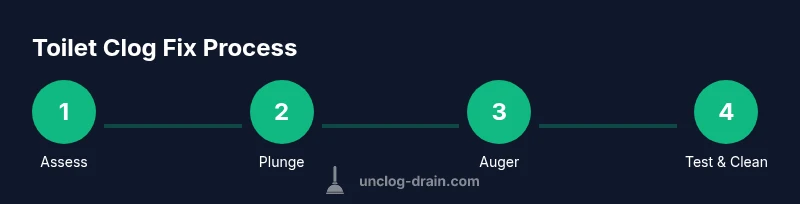
Most clogs respond to a systematic approach. Start with the plunger: ensure the flange is submerged and create a tight seal, then push and pull with controlled, vertical strokes. If plunging alone doesn’t clear the blockage after 15–20 cycles, move to a toilet auger. Gently feed the cable into the drain while turning the handle, stopping at resistance and pulling back slightly. Avoid forcing the cable; damage to the porcelain can occur. For limited or light blockages, adding a few squirts of dish soap followed by warm water can help lubricate the clog, but do not mix soaps with chemical cleaners. If the water level remains high after both methods, switch to the next approach and re-check the water level before attempting again. These steps, when done calmly, solve most household blockages without professional help.
Safety, Hazards, and What to Avoid
Never mix chemical drain cleaners with other cleaners or with bleach in a toilet. The chemical reaction can release dangerous fumes and damage the pipes, and it can create a hazardous mess if you need to touch the water. Protect your eyes and skin by wearing gloves and, if possible, a splash shield. Do not stand over the toilet while applying heat or aggressive suction; keep children and pets away during the process. If you notice sewer gas smells, stop and ventilate the room immediately and consider leaving the home until the odor dissipates. After finishing, disinfect the areas you touched and launder your contaminated clothing separately. Following these precautions keeps you safe and minimizes risk.
Maintenance and Prevention to Reduce Future Clogs
To keep toilets flowing smoothly, establish simple daily habits and a light maintenance routine. Only flush human waste and toilet paper; avoid flushing wipes, paper towels, candy wrappers, or dental floss. Consider using a toilet paper brand that dissolves easily and avoid overfilling the tank with too much water, which can slow down the flush. A drain screen in kitchen and bathroom sinks reduces the chance of debris entering the system, and regular cleaning of the toilet bowl helps prevent buildup. If your home has older plumbing or frequent clogs, schedule periodic checks with a qualified plumber and consider upgrading to a more robust drainage setup to handle household wear and tear.
When to Call a Professional
If repeated attempts fail to restore a clear flush, or you hear gurgling in the plumbing system when you flush elsewhere, it’s time to call a professional. A stubborn clog may be rooted in the sewer line or vent stack, which requires specialized tools and training. The Unclog Drain team recommends seeking a licensed plumber when you suspect a broken main line, a collapsed pipe, or persistent sewer odors. Timely intervention can prevent water damage, mold growth, and more costly repairs down the line.
Common Myths and Misconceptions
Myth: chemical drain cleaners cure every clog. In reality, they can damage seals and pipes and often do not resolve the problem deep in the drain. Myth: hot water alone will unclog a stubborn toilet. Temperature helps but pressure and proper tools are usually needed. Myth: toilets self-clean with time. Clogs rarely disappear without intervention. Facts: a balanced approach of plunger use, auger if necessary, and avoidance of hazardous chemicals yields the best outcomes most of the time. The goal is to fix the blockage safely, not just move it around.
Authoritative Sources
- EPA WaterSense: https://www.epa.gov/watersense
- CDC: https://www.cdc.gov
- EPA: https://www.epa.gov
Tools & Materials
- Heavy-duty rubber gloves(Waterproof, long-cuff gloves to protect skin)
- Toilet flange plunger(With a built-in flange for a secure seal)
- Toilet auger (closet auger)(Sturdy, 3-6 ft length)
- Old towels or rags(To protect the floor and catch splashes)
- Bucket(For liquid collection if needed)
- Face shield or splash goggles(Extra eye protection)
- Flashlight(Inspect the drain entry if visibility is poor)
Steps
Estimated time: 20-40 minutes
- 1
Put on protective gear
Don gloves and eye protection before handling the bowl. Clear the area, lay towels on the floor, and have your tools within reach. This reduces risk of splashes and keeps the work sanitary.
Tip: Wear long sleeves and watch for drips to keep skin dry. - 2
Assess the blockage and prepare
Check water level; if the bowl is full, do not flush again. Remove excess water with a cup or sponge to prevent overflow when you start plunging.
Tip: Keep a towel ready to absorb splashes and a bucket nearby for any overflow. - 3
Position the plunger correctly
Place the flange inside the drain opening to form a tight seal. Stand in a stable, comfortable stance and keep the plunger vertical for best suction.
Tip: Ensure the rubber is fully sealed around the drain before applying force. - 4
Plunge with steady motions
Push down and pull up with firm, controlled strokes for 15–20 cycles. Pause briefly if water starts to drain, then continue until the blockage clears.
Tip: Maintain seal; avoid lifting the plunger out completely during cycles. - 5
If plunging fails, try the auger
Feed the auger cable into the drain while turning the handle slowly. Stop at resistance and pull back slightly rather than forcing the cable.
Tip: Keep the cable straight and avoid twisting aggressively to prevent damage. - 6
Test the flush and clean up
Remove the auger, flush once to test the flow. If clear, slowly refill the bowl and clean nearby surfaces. Sanitize tools and wash hands thoroughly.
Tip: Flush in short bursts to monitor progress without creating a overflow risk. - 7
Know when to call a plumber
If the toilet remains clogged after both methods or you hear persistent gurgling, contact a licensed plumber. Some issues require professional equipment and expertise.
Tip: Document what you tried and when for the technician.
Common Questions
What should I do first when a toilet is clogged?
Start by assessing the blockage and removing standing water if needed. Then try a flange plunger to create a seal and push through the clog. If water remains high, pause and recheck before proceeding.
First, assess the clog and remove standing water if needed, then try a flange plunger. If water remains high, pause and recheck before continuing.
Are chemical drain cleaners safe for toilets?
Most chemical drain cleaners are not recommended for toilets. They can damage seals and pipes, and may not reach deeper clogs. Use mechanical methods like plungers or augers first.
Most chemical cleaners aren’t recommended for toilets; they can cause damage and often don’t reach deep clogs. Try plungers or augers first.
Will a plunger fix all toilet clogs?
A plunger fixes many common clogs, especially those near the bowl. If it doesn’t resolve the blockage, move to an auger or consider professional help.
A plunger fixes many clogs near the bowl, but if it doesn’t work, switch to an auger or call a pro.
When is a toilet auger necessary?
If plunging fails to clear the blockage, an auger can reach further into the drain to dislodge the obstruction. Use it slowly to avoid pipe damage.
If plunging fails, try an auger to reach deeper into the drain. Use it slowly to avoid damage.
How can I prevent clogs in the future?
Flush only toilet paper and waste, avoid wipes, and consider routine cleaning. Install screens on sinks and keep non-flushable items out of the toilet.
Flush only toilet paper and waste, avoid wipes, and maintain a routine cleaning to prevent clogs.
Watch Video
Key Points
- Assess before acting to pick the right method.
- Use a proper toilet plunger with a flange for best seal.
- If plunging fails, try a toilet auger safely.
- Never mix cleaners; protect yourself with PPE.
- Prevent clogs with regular maintenance and mindful flushing.