How to Unclog a Toilet: Step-by-Step DIY Guide
An expert DIY guide from Unclog Drain on safe, chemical-free ways to unclog toilets. Learn plunger and auger techniques, essential tools, and preventive maintenance to stop clogs from returning.


This guide shows you how to unclog a toilet using safe, non-chemical methods and practical steps. You’ll learn when to use a plunger, a toilet auger, or a wet-dry vacuum, plus prep, safety, and troubleshooting tips. By following these steps, you can fix most toilet clogs quickly and safely.
Why the right approach matters
Dealing with a clogged toilet can be stressful, but choosing the right approach reduces damage and mess. Start with a simple, hands-on method and escalate only if needed. This is where Unclog Drain’s practical guidance comes into play: using the right tools and techniques minimizes waste, protects your plumbing, and speeds up the fix. The core idea is to use to unclog toilet methods that are reliable, repeatable, and safe for your home’s plumbing system. Throughout this guide you’ll see comparisons between plunger-based methods, mechanical augers, and safer, non-chemical alternatives. By sticking to proven methods, you’ll avoid risky shortcuts that can worsen the clog or harm porcelain.
Essential mindset before you begin
- Prepare the area with towels and a bucket to catch water. - Put on gloves and ensure good lighting. - Clear pets and children from the area. - If you’re unsure about the clog’s origin, start with the least invasive approach first. This approach aligns with Unclog Drain’s emphasis on safety and practicality for DIYers. Remember, if the water level rises dramatically or you suspect a sewer backup, stop and seek professional help.
Safety first: what not to do
Avoid chemical drain cleaners in toilets; they can damage porcelain, soften rubber seals, and harm septic systems. Do not mix cleaners or use household products not intended for toilets. Never place your hands into the bowl when the water is agitated, and never leave a running overflow unattended. Following safe practices protects your home and reduces the risk of injury or costly plumbing damage.
Choosing the right tool for the job
Plungers, toilet augers, and specialty drain tools each have a role. A flange plunger is designed to seal a toilet drain more effectively than a flat cup plunger. An auger reaches past the bend of the toilet trap to dislodge or retrieve the blockage. In some cases, a wet-dry vacuum can be used to pull liquids and debris away, but it requires careful setup to avoid damaging the vacuum or spreading contamination. This section prepares you to select the most appropriate tool for your specific clog.
How a clog forms and how to prevent it
Clogs often form from flushing non-dispensable items, excessive toilet paper, or a partial blockage that slows water flow. Regular maintenance and mindful use—flush only appropriate waste, avoid disposable wipes, and periodically inspect the flange and wax ring—can prevent many common clogs. If a clog recurs frequently, it may indicate a broader issue with the drain line or venting system that a professional should assess.
Quick troubleshooting flowchart
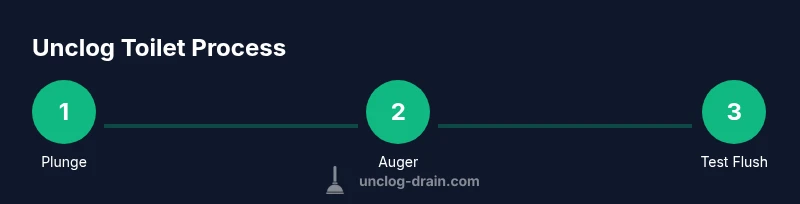
- If water rises and stays low: start with the plunger. - If plunging fails: move to a toilet auger. - If augering doesn’t clear it: try a targeted flush with warm water and repeat. - If the toilet still won’t drain: call a plumber. This flow helps you stay organized and avoids wasting time on ineffective steps.
Maintenance and preventive habits
A little routine care goes a long way. Regularly inspect the wax ring area for leaks, avoid flushing materials that can expand or clog, and keep a small tool kit handy for quick DIY fixes. By adopting a preventive mindset, you’ll reduce the chances of future clogs and keep your bathroom functioning smoothly.
Tools & Materials
- Cup plunger (flange plunger)(Use a flange plunger designed for toilets for a better seal.)
- Toilet auger (plumbing snake)(Look for a toilet-specific auger with a small head.)
- Rubber gloves(Protect hands from waste and bacteria.)
- Bucket(Catch water as you work to avoid splashes.)
- Old towels or rags(Lay down to protect flooring and absorb spills.)
- Flashlight or headlamp(Improve visibility in the bowl and trap area.)
Steps
Estimated time: 30-60 minutes
- 1
Prepare the area
Put on gloves and lay towels around the toilet. Place a bucket nearby to catch water. Clear the area of pets or kids and ensure good lighting so you can see what you’re doing. This initial setup reduces mess and keeps the workspace safe.
Tip: Have everything within arm’s reach to minimize trips to the sink during the process. - 2
Check the water level
Observe whether the bowl water is high or low before you start plunging. If the water is very high, bail out excess water with a cup or sponge to avoid overflow during plunging. A stable water level helps create a better seal for the plunger.
Tip: If the water is clear, a cautious plunge is often enough to loosen a shallow clog. - 3
Position the plunger
Place the flange of the plunger into the toilet drain to form a tight seal. Keep the plunger fully submerged and brace your other hand on the rim for added control. A poor seal reduces suction and makes plunging ineffective.
Tip: Angle the plunger slightly to maximize suction around the edges of the drain opening. - 4
Begin plunging with steady pressure
Use firm, vertical strokes without lifting the plunger completely out of the water. Maintain a consistent rhythm for 15-30 seconds, then pause to assess. Repeated, controlled plunging often dislodges the clog near the trap.
Tip: Keep your wrists relaxed; let the plunger’s force come from your arm, not your back. - 5
If plunging fails, try the auger
Insert the auger into the toilet bowl and crank the handle to extend the snake. Gently rotate while pushing forward to break up or hook the clog. Stop if you feel resistance that doesn’t lessen.
Tip: Avoid forcing the auger aggressively; slow, steady turns are safer and more effective. - 6
Test a flush and repeat if needed
Slowly flush the toilet to see if the water drains. If it’s still blocked, repeat the plunging or auger steps. Do not mix methods mid-attempt without reassessing the blockage. A successful flush confirms the clog is cleared.
Tip: Flush once a solid flow returns to confirm the blockage is gone. - 7
Clean up and sanitize
Rinse tools with clean water, disinfect the bucket, and wash hands thoroughly. Dry the area and replace the towels. Proper sanitation prevents lingering germs and keeps the space ready for future use.
Tip: Dispose of contaminated towels in a sealed bag and launder them separately.
Common Questions
Will a plunger work on all toilet clogs?
A plunger works best on partial clogs near the trap. If water doesn’t rise or hesitation remains after plunging, you may need a toilet auger or professional help.
A plunger solves most partial clogs near the bowl; if water level stays flat, try an auger or consult a pro.
What should I do if water overflows while unclogging?
Stop flushing and bail out the excess water with a cup or sponge. Use towels to soak up spills and prevent a bigger mess. Then reassess the clog and continue carefully.
If water overflows, stop flushing, remove the water, and reassess before continuing.
Are chemical drain cleaners safe for toilets?
Most chemical cleaners aren’t recommended for toilets because they can damage porcelain and septic systems. Use mechanical methods like plungers or augers instead.
Chemical cleaners can damage toilet components and septic systems; stick with plungers or augers.
When should I call a plumber?
If multiple drains clog, you hear gurgling, or you can’t clear the clog after multiple attempts, it’s time to call a professional.
If several fixtures clog or you still can’t clear it, a plumber should take a look.
Can I reuse tools on other drains?
Yes, after cleaning and disinfecting. Avoid cross-contaminating toilets and kitchen drains by thoroughly sanitizing tools between jobs.
Yes—just clean and sanitize tools between jobs to prevent spread of bacteria.
Watch Video
Key Points
- Choose the right tool before you start.
- Create a tight seal for effective plunging.
- Avoid chemical drain cleaners on toilets.
- Re-test with a flush to confirm.
- Know when to call a pro.