Unclog Toilet: Step-by-Step DIY Guide for Home Projects
Learn to unclog a toilet with a complete step-by-step DIY guide. From plunging to using a toilet auger, avoid common mistakes and prevent future clogs with practical, safe methods.


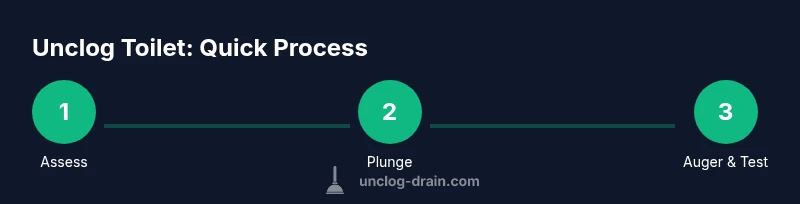
Goal: unclog the toilet safely using the right tools and methods. Start by identifying the blockage, preparing the area, and using a flange plunger to create a strong seal. If plunging fails, switch to a toilet auger. Avoid chemical cleaners in toilets, and disinfect the area after you finish. This guide provides step-by-step techniques and prevention tips.
Understanding Why Toilets Clog and How to Approach It
Toilets clog for a few common reasons: excessive toilet paper, flushing non-flushable items like wipes, mineral buildup in pipes, or slow drainage from a blocked sewer line. Recognizing the likely cause helps you choose the most effective method without wasting time or risking a mess. Start with the simplest method first—plunging—before moving to more involved solutions like a toilet auger. By approaching the problem methodically, you minimize the chance of overflowing water and damage to floors and fixtures.
In most household scenarios, a well-sealed flange plunger is enough to clear a typical clog. If that doesn’t work after a few attempts, a toilet auger can reach further into the trap and bend, where many blockages become stuck. Always keep safety in mind: wear gloves, contain splashes with towels, and avoid introducing harsh cleaners that can harm pipes or septic systems.
Safety First: When to Call for Help vs DIY
Safety should govern every unclogging attempt. If you notice sewage backing up into the room, persistent foul smells, or if the clog recurs despite multiple attempts, stop and call a licensed plumber. A swift professional assessment can prevent water damage, mold growth, and more serious sewer-line issues. For DIY attempts, protect the area with towels and a bucket, avoid mixing cleaners, and keep children and pets away from the work zone. If you have a septic system, use only septic-friendly methods and avoid chemical additives that can disrupt the bacterial balance.
Prep Before You Start: Tools, Workspace, and Plan
Preparation saves time and reduces mess. Clear the area around the toilet, lay down towels to catch splashes, and place a bucket nearby for any overflow. Make sure you have the right tools: a flange plunger, a toilet auger, protective gloves, and a absorbent cloth. Keep extra towels handy for quick cleanup. It’s also wise to shut off the toilet’s water supply at the shut-off valve behind the bowl to prevent further water from entering the tank while you work.
Step 1: Proper Plunging Technique for Best Results
Flange plungers create the best seal for toilets. Submerge the plunger in water until the bell is fully covered, then position it over the drain opening to form a tight seal. Push and pull with steady, confident strokes, keeping the seal intact. Do not pry the plunger out; maintain pressure and re-seal as needed. Repeat for 20–30 seconds, then check for movement. If the water level drops noticeably and then flushes normally, you’ve cleared the blockage. If not, proceed to Step 2.
Step 2: When Plunging Isn’t Enough: The Toilet Auger (Snake)
A toilet auger is designed to reach beyond the trap and into the waste line. Insert the flexible snake into the toilet bowl until you feel resistance, then rotate the handle while feeding it forward. The goal is to dislodge or hook the clog, not to force water backward. Retract slowly and pull out debris, then attempt a test flush. If waste remains, continue rotating and advancing the device in short intervals until the blockage yields.
Step 3: Non-Chemical Methods That Help Break the Blockage
If plunging and augering don’t fully resolve the issue, consider non-chemical approaches. A small amount of dish soap followed by hot (not boiling) water can lubricate and loosen the blockage, helping it break apart when flushed. Do not use boiling water, which can crack porcelain or damage seals. You can also try a wet/dry vacuum to pull the blockage away from the drain, but only if you have a dedicated appliance safe for sewage and water. Always clean the vacuum handle afterwards to prevent contamination.
Step 4: Chemical Cleaners: Risks and Safe Use
Chemical drain cleaners can damage toilets, pipes, and septic systems if misused. They should generally be avoided as a first-line solution for toilets. If you absolutely must use them, follow the product directions exactly, never mix cleaners, and ventilate the bathroom. After using any chemical cleaner, flush with plenty of water and consider a professional inspection if you notice odd odors or persistent clogs. Safer alternatives exist, such as biotic cleaners that support beneficial bacteria without harming plumbing.
Step 5: Preventing Future Clogs: Simple Habits
Prevention is better than dealing with repeated clogs. Install a toilet paper limit, use a card or paper towel to wipe up non-paper items, and avoid flushing wipes, feminine hygiene products, or plastic items. Consider a toilet intake screen, which can capture debris before it enters the drain. Regular maintenance, such as monthly enzyme-based cleaners or occasional flushing with hot water, can help keep the pipes clear without harming septic systems. Finally, ensure family members understand what should and should not be flushed.
Special Scenarios: Septic Systems and Low-Flow Toilets
Homes with septic systems require gentler maintenance. Avoid chemical cleaners that disrupt bacterial balance and always use septic-safe products. Low-flow toilets need a longer, steadier push on the plunger and sometimes a gentler approach with the auger to avoid splashing. If you have a history of slow drains, consult a professional to evaluate your septic tank and pipes. Regular inspections reduce emergency calls.
Quick-Check Before You Call a Pro: Troubleshooting Flowchart
If the flush still won’t clear, consider these quick checks: ensure the shut-off valve is fully open, verify there’s adequate water in the bowl, and confirm the trap is not completely blocked by a foreign object. If you find sewage backing up or damage to pipes, stop immediately and contact a licensed plumber. A professional assessment can prevent further damage and provide a long-term solution.
Tools & Materials
- Flange plunger (toilet plunger)(Creates a strong seal for toilets; use a dedicated toilet plunger rather than a sink plunger)
- Toilet auger (snake)(Manual auger with curved head to reach the trap without scratching the porcelain)
- Rubber gloves(Protect hands; choose latex-free if needed)
- Buckets and towels(Contain water and catch splashes; line the floor for easier cleanup)
- Old towels or rags(Lay these around the toilet to absorb spills)
- Flashlight(Helpful in dim bathrooms or cramped spaces)
- Dish soap(Optional lubricant for plunging; use sparingly)
- Hot water (not boiling)(Can help with dislodging; pour carefully to avoid splashing)
- Enzyme-based cleaner (septic-safe)(Use periodically for maintenance; avoids harming septic systems)
- Protective eyewear(Optional for splash protection)
Steps
Estimated time: 45-60 minutes
- 1
Stop overflow and prep the area
If the toilet shows signs of overflow, place towels on the floor and around the base. Lift the toilet lid and place a barrier to contain splashes. Gather all tools you’ll need before starting and keep a bucket handy for water you remove from the bowl.
Tip: Have your plunger ready and ensure the flange is intact before you begin. - 2
Shut off the water supply and drain the tank
Turn the shut-off valve behind the toilet clockwise to stop new water from entering the tank. If the water in the bowl is high, gently remove some with a towel or sponge so you have room to work. This prevents sudden overflow during plunging or augering.
Tip: Keep the valve handy for quick access if you need to stop water flow again. - 3
Position the flange plunger for a solid seal
Place the flange plunger into the drain opening, ensuring the rubber bell fully covers the hole. Submerge the plunger in water if needed to maintain a seal, then press down firmly to create suction.
Tip: A good seal is essential—any gaps will reduce plunging efficiency. - 4
Plunge with consistent, forceful strokes
Push straight down with steady pressure, then pull up while keeping the seal intact. Repeat in 20–30 second bursts, allowing water to rise and fall. If the water level drops and the toilet flushes, you’ve cleared the blockage.
Tip: Maintain the same speed and pressure for an effective seal; avoid aggressive rocking. - 5
Switch to the toilet auger if plunging fails
Insert the auger into the toilet bowl and extend it toward the blockage. Rotate the handle clockwise as you feed the snake in, then pull back slowly to extract debris. Repeat as needed until water clears.
Tip: Don’t force the auger; gentle pressure reduces risk of damage. - 6
Evaluate non-chemical methods for stubborn clogs
If blockages persist, try a small amount of dish soap with hot water to loosen debris. You can also gently use a wet/dry vacuum if available and safe for sewage to remove remaining blockage.
Tip: Always use heat with caution and avoid boiling water to protect the porcelain. - 7
Decide on chemical cleaners with caution
Chemical cleaners can damage pipes and septic systems; they should be a last resort. If used, follow the label precisely, ventilate the area, and flush thoroughly after use.
Tip: Never mix cleaners with other products—dangerous fumes can occur. - 8
Test the flush and clean up
Slowly restore water supply, then flush to confirm the blockage is gone. If it reappears, reassess with a professional. Clean and disinfect tools and the area after finishing.
Tip: Document what worked for future reference.
Common Questions
What is the best method to unclog a toilet?
Begin with a flange plunger to create a strong seal. If that doesn't work, use a toilet auger to reach deeper into the trap. Reserve chemical cleaners as a last resort and avoid mixing cleaners.
Start with a flange plunger, switch to a toilet auger if needed, and reserve chemical cleaners as a last resort. Always prioritize safety and cleanup.
Can I use dish soap or hot water to unclog a toilet?
Dish soap and hot water can help loosen lightweight blockages, but they may not solve solid clogs. Use them as a supplementary step after plunging and avoid boiling water.
Dish soap and hot water can help loosen small blockages, but they aren’t a guaranteed fix. Use them after plunging and avoid boiling water.
When should I call a plumber?
Call a plumber if the clog recurs after multiple attempts, if you notice sewage backing up, or if you suspect a broken sewer line or compromised septic system.
Call a plumber if clogs return after several attempts or if there’s sewage backing up or signs of a broader sewer problem.
How long does the unclogging process typically take?
Most DIY unclogging sessions take 30–60 minutes, depending on blockage severity and method used. If a toilet is stubborn, allocate additional time for augering and safe cleanup.
Most DIY fixes take about 30 to 60 minutes, with extra time if the blockage is stubborn.
What can I do to prevent clogs in the future?
Flush only toilet paper and human waste, use toilet paper in reasonable amounts, and consider a screen or riblet in the drain to catch debris. Regular maintenance helps prevent blockages.
Keep toilet paper usage moderate, avoid flushing non-flushables, and perform routine maintenance to prevent clogs.
Are chemical drain cleaners safe for toilets?
Most chemical drain cleaners are not ideal for toilets and septic systems. They can corrode pipes and harm beneficial bacteria in septic tanks. Use only as a last resort.
Chemical cleaners can harm pipes and septic systems, so use them only if necessary and with caution.
Watch Video
Key Points
- Identify the blockage cause before selecting a method.
- Start with a flange plunger for the best seal.
- Progress to a toilet auger if plunging fails.
- Avoid chemical cleaners in toilets whenever possible.
- Implement preventive habits to minimize future clogs.