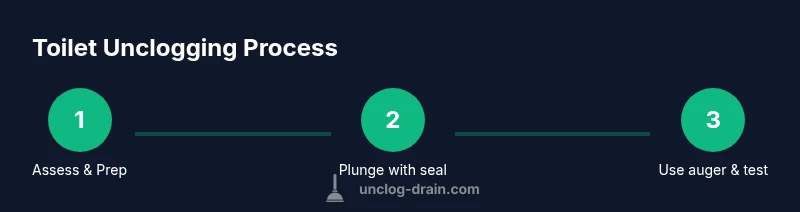
How to unclog a toilet: a homeowner’s step-by-step guide
Learn a safe, proven method to unclog a toilet without professional help. This 1800-word practical guide covers prep, tools, step-by-step actions, safety tips, and prevention strategies for homeowners.


By following a mechanical approach, you unclog a toilet quickly and safely. Start with prep: gloves, towels, and a clear workspace. Begin with a proper plunging technique to form a seal and dislodge the blockage, then move to a toilet auger if needed. Avoid harsh chemical cleaners in toilets. With focus and patience, most clogs clear without calling a plumber.
Safety first: assess risk and prepare before you dive in
Clogged toilets can escalate quickly if you don’t prep properly. Begin by putting on rubber gloves and old clothes you don’t mind getting dirty. Place towels or a waterproof mat around the base to catch splashes, and have a bucket handy for any overflow. If the water level is rising toward the rim, stop and remove excess water with a small container or sponge to prevent spills. This is not just about cleanliness; it reduces the risk of slips and avoids accidental contact with waste. According to Unclog Drain, controlling the mess at the outset makes the subsequent steps safer and more effective. A calm, methodical approach beats panic and fast improvisation, especially when you’re working with water near electrical outlets or other fixtures in a busy bathroom.
A quick safety checklist: check for leaks, ensure the bathroom fan or window is open for ventilation, and never mix cleaners with unknown contents. Clear the room of curious pets or kids, as chaos can lead to mistakes. When you’re ready, proceed to the right tools and techniques. Keeping your workspace organized reduces the chance of accidental spills and helps you stay focused on the task at hand.
Tools and setup: gather what you need for success
A well-prepared toolkit saves time and reduces frustration. Assemble the following essentials before you start:
- A sturdy toilet plunger with a flange (cup plunger is not ideal for toilets without a flange)
- A toilet auger/closet auger for deeper clogs
- Thick rubber gloves, old towels, and a disposable wipe or rag for cleanup
- A bucket or container, and a flashlight if lighting is dim
- Dish soap or a small amount of hot water (not boiling) to help lubrication if needed
- Optional: a master plumber’s snake or a flexible drain spiral
Having these items ready prevents mid-task runs to the hardware store and keeps you focused. The Unclog Drain team emphasizes preparing your workspace as a crucial first step to reduce mess and maintain safety during the process.
Step 1: stop overflow and create a controlled environment
If water is threatening to overflow, stop it by turning off the supply valve behind the toilet or at the wall. Remove any excess water from the bowl with a cup or sponge and set it aside in a bucket. This step reduces splashback when you start plunging and minimizes the risk of a flood on bathroom floors. Once the bowl is partially emptied, flush briefly to gauge the water level and check whether the water drains slowly or not at all. A slow drain is a sign the blockage is partial and can respond to plunging; a standing water situation often means a more persistent clog requiring a tool.
Pro tip: keep towels dry and ready to absorb moisture, and never press the plunger into a full bowl of water; you need air resistance to push the blockage free. If water still rises after plunging, switch to a toilet auger rather than forcing more plunging pressure, which could worsen the blockage or damage the porcelain.
Step 2: proper plunger technique for best results
A toilet plunger requires a good seal and steady pressure. Place the flange of the plunger into the drain opening and ensure a tight suction by covering the overflow opening with a rag if present. Push down slowly to expel air, then pull up with a steady, controlled motion. Avoid rapid, forceful pushes that can splash and create a bigger mess. Repeat with consistent rhythm for 15–30 seconds, pause, and reassess. If you see a slight drop in water level, continue; the seal may have loosened and allowed pressure to push the blockage free. If there’s no improvement after a few cycles, proceed to the toilet auger.
Tip: keep the plunger upright and upright only during use; leaning or twisting can break the seal and reduce effectiveness. The goal is a reliable suction that dislodges the clog rather than aggressive banging that can damage the porcelain.
Step 3: using a toilet auger (closet snake) when plunging isn’t enough
When plunging fails, a toilet auger can reach clogs that retreat beyond the bend. Insert the auger slowly, cranking the handle in small, steady turns while applying gentle tension. Stop pushing if you feel resistance and rotate back slightly; moving forward with persistence helps the snake navigate the bend and catch the blockage. As you advance the auger, you may feel the wrap tighten as the blockage yields. Retract gradually and flush to test.
Safety note: never force the auger beyond the trap; excessive force can scratch the porcelain or cause leaks. If the auger doesn’t reach the clog or you still see standing water after three to five attempts, it may be time to call a professional plumber or consider additional options. The Unclog Drain guidance recommends patience and careful, incremental turns rather than brute force.
Step 4: when chemical cleaners feel tempting—and why you should avoid them here
Chemical drain cleaners might promise a quick fix, but they’re often a bad idea in toilets. Most toilet clogs are caused by solid waste, paper, or foreign objects, and strong chemicals can damage the porcelain, corrode pipes, or release harmful fumes in enclosed spaces. If you choose to try cleaners, only use products labeled for toilets and follow the manufacturer’s instructions precisely. Do not mix cleaners with other household chemicals, especially ammonia or bleach, which can create dangerous gases.
Instead of chemicals, stick with mechanical methods (plunger and auger) first, and reserve chemical options for slow drains in sinks or showers where the risk is different. The Unclog Drain team stresses that patience and proper technique win more often than quick chemical fixes.
If you must attempt a cleaner, ensure good ventilation, wear protective gloves, and keep a working bucket nearby in case of spills. In general, for toilet clogs, mechanical methods are safer, more reliable, and equally effective without the risks associated with caustic cleaners.
Step 5: other practical methods that can help without professional help
In some situations, alternative approaches can help when a plunger and auger aren’t sufficient:
- Dish soap and hot water: pour a generous squirt of dish soap into the bowl and slowly add hot (not boiling) water from waist height to create pressure that can loosen a clog. Do not use boiling water as it can crack porcelain.
- Baking soda and vinegar: a light, controlled reaction can help loosen the clog; this method is safer than harsh chemicals but may take longer and is not a guaranteed fix.
- Wet-dry vacuum: if available, a well-sealed wet-dry vacuum can extract the clog from the pipe, but only if you’re comfortable with the device and you follow all safety steps.
Remember that not every clog responds to these methods, and repeated attempts without success mean it’s time to call a professional. The goal is to restore function without causing damage or unsafe conditions in the bathroom.
Step 6: when to call a professional: signs you’ve hit a limit
Call a licensed plumber if:
- The water level remains high after multiple plunges and auger attempts.
- The toilet keeps overflowing or you hear gurgling from other drains.
- You suspect a sewer line issue, or you’ve tried several approaches without any improvement.
- There is visible damage to the porcelain or plumbing, or you smell foul gases.
A pro has specialized tools and experience to diagnose and resolve the blockage without risking property damage. The Unclog Drain perspective is that most routine clogs are within the homeowner’s reach, but some situations require expert help to prevent bigger problems.
Step 7: aftercare: cleanup, sanitizing, and prevention tips
Once the clog is resolved, flush several times to ensure full restoration of flow. Clean and disinfect all surfaces that may have come into contact with wastewater. Wash towels and gloves separately if they touched contaminated water. Consider preventive steps: avoid flushing non-flushable items (baby wipes, paper towels), use a small amount of toilet-safe enzyme cleaner periodically to maintain piping, and perform routine monthly checks to catch minor issues before they become major clogs. A simple maintenance checklist can save you from future headaches.
Step 8: quick prevention strategies to reduce future clogs
- Use less toilet paper per flush and avoid flushing items not designed to go down the toilet.
- Install a toilet bowl brush rack to avoid using makeshift objects to push blockages.
- Periodically inspect the toilet and plumbing for slow drainage and address it early with a plumber or DIY fix.
- Consider installing a plumber-grade auger as a long-term tool in your toolkit for occasional clogs.
The goal is to create consistent habits that minimize blockage risk. By following these steps and maintaining a routine, you can keep toilets working smoothly and reduce the chance of emergencies. Unclog Drain’s recommended approach emphasizes controlled, methodical actions over guesswork and harsh chemicals.
Step 9: final test and return to normal use
After you’ve completed the steps, test the toilet by flushing a couple of times with normal water flow. If the flush is strong and the bowl empties without hesitation, you’re likely back to normal operation. If the water level rises again or you hear gurgling in the pipes, pause and re-evaluate or call a professional. When in doubt, err on the side of safety—relying on mechanical methods and professional assistance when needed keeps your home safe and reduces the risk of expensive repairs.
Tools & Materials
- Toilet plunger with flange(Choose a sturdy, toilet-specific flange plunger.)
- Toilet auger / closet auger(Ensure flexible shaft designed for toilets.)
- Rubber gloves(Thick, waterproof gloves for protection.)
- Old towels or rags(For catching spills and drying the area.)
- Bucket(To contain wastewater if overflow occurs.)
- Dish soap(Helpful lateral lubrication for some methods.)
- Flashlight(Bright light helps in dark basements or cabinets.)
- Wet-dry vacuum (optional)(Can be used carefully for stubborn clogs; follow safety instructions.)
Steps
Estimated time: 30-60 minutes
- 1
Assess and prep
Put on gloves, clear the area, and check water level. If overflow is possible, prepare towels and a bucket. This reduces mess and keeps you safe.
Tip: Have the valve shutoff tool ready before you begin. - 2
Stop overflow and isolate the area
If the water is rising, turn off the water supply and remove excess water with a sponge. This prevents flooding and gives you space to work.
Tip: Keep a drain-safe mop nearby to absorb splashes. - 3
Proper plunging technique
Create a tight seal at the drain with the plunger and press straight down with steady pressure; repeat in short cycles until you see progress.
Tip: Ensure the seal stays intact; lift the plunger only when clearing to restore suction. - 4
Switch to a toilet auger if needed
Insert the auger slowly and crank to dislodge the blockage; avoid forcing it through the bend. Pull back gently and test the flush.
Tip: Rotate as you push to help the auger navigate curves. - 5
Evaluate chemical options carefully
If you consider cleaners, choose toilet-safe products and follow directions; never mix cleaners and ensure proper ventilation.
Tip: Mechanical methods are safer and more reliable for most clogs. - 6
Try safe alternatives if necessary
Dish soap with hot water, baking soda and vinegar, or a wet-dry vacuum can help in some cases, but they’re not guaranteed.
Tip: Avoid boiling water to prevent porcelain damage. - 7
Decide if you need professional help
If water remains high or you hear gurgling, a plumber’s expertise might be required to prevent sewer issues.
Tip: Document what you’ve tried to help the plumber diagnose quickly. - 8
Clean up and prevent future clogs
Sanitize surfaces, launder towels, and store tools properly. Implement preventive habits to reduce future clogs.
Tip: Regular maintenance reduces emergency calls.
Common Questions
Can I use chemical drain cleaners in a toilet?
Chemicals can damage porcelain and pipes and may create dangerous fumes in enclosed spaces. They are not reliable for many toilet clogs. Use mechanical methods first and save chemicals for other drains when appropriate.
No, chemical drain cleaners should generally be avoided for toilets due to potential damage and fumes. Use plungers and augers first.
What should I do if water overflows while I’m working?
Immediately turn off the water supply to the toilet, wipe up the water, and remove excess water from the bowl. This prevents a flood and gives you space to work safely.
Turn off the water supply and absorb any overflow with towels before continuing.
Is it safe to use a metal hanger as a DIY snake?
Using a metal hanger can scratch the porcelain and damage pipes. It’s best to use a proper toilet auger or plumber’s snake with careful guidance.
Avoid metal hangers; they can damage the toilet. Use an auger instead.
When should I call a plumber for a toilet clog?
Call a plumber if the clog persists after multiple plunges and auger attempts, if you notice recurring clogs, or if you suspect a sewer line problem.
If the clog won’t clear after trying a plunger and auger, or you hear sewer sounds, call a professional.
How can I prevent future toilet clogs?
Flush only toilet-safe items, use less toilet paper per flush, and consider a monthly maintenance routine with enzyme cleaners to keep the pipes clear.
Prevent clogs by flushing only toilet-safe items and maintaining a light maintenance routine.
Key Points
- Assess safety and prep before starting
- Use proper plunging technique for best results
- Reserve chemical cleaners for sinks, not toilets
- Call a professional if the clog persists or if sewer issues are suspected
- Prevent future clogs with simple habits and maintenance