Video on How to Unclog a Toilet: A Complete DIY Guide
Learn safe, proven steps to unclog a toilet with plunger, auger, and alternative methods. This 1800-word guide covers prep, tools, step-by-step actions, maintenance tips, and FAQs for homeowners and DIY enthusiasts.


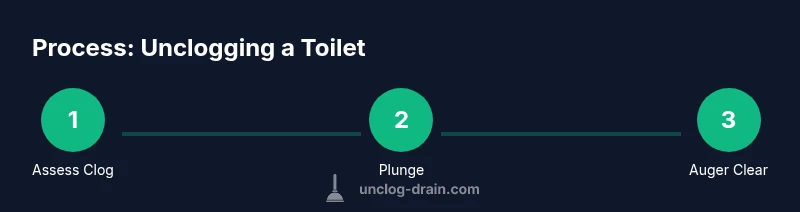
A clogged toilet is solvable with a safe, step-by-step approach: start with a plunger, then move to a toilet auger if needed, and finish with a flush test. This quick guide covers safety, tools, and the best order of operations to unclog a toilet without causing damage.
Understanding Toilet Clogs: Common Causes and When to Act
According to Unclog Drain, most toilet clogs begin with a combination of paper overload, excessive toilet paper, and accidental items flushed down the bowl. Household habits like flushing wipes, dental floss, or sanitary products can accumulate over time and create a stubborn blockage that resists simple plunging. If you're watching a video on how to unclog a toilet, know that having the right approach matters as much as the tool you choose. A visual guide will walk you through the steps and safety considerations, but understanding the root cause helps you prevent repeats. When to act: if the water in the bowl rises on the first flush, or there is a strong scent of sewer gas, stop and switch methods. Also check that the vent stack is clear and that the toilet is not tied to a larger plumbing issue. For many homeowners, a plunger will resolve the majority of clogs, but deeper obstructions may require a toilet auger, which is designed to break up material near the trap. The takeaway: identify the blockage type and choose the safest, least invasive method first. Unclog Drain's analysis shows that a structured approach reduces mess and preserves toilet integrity.
Safety First: Prep, PPE, and Precautions
Before you begin, set up a safe workspace. Wear rubber gloves and eye protection if splash risk is high, and keep kids and pets away from the bathroom during the process. Ventilate the room by opening a window if possible, and lay down old towels or a plastic sheet to catch splashes. Never mix chemical drain cleaners with other cleaners or tools; caustic mixtures can create dangerous fumes or damage the porcelain. If you have any signs of a sewer backup or off-odor, pause and call a professional. This phase prioritizes personal safety and prevents accidental injury—always treat toilet unclogs as a potential plumbing issue rather than a quick fix. The goal is to minimize splash, protect skin, and maintain a clean, dry area for effective work.
Essential Tools and Materials for a Toilet Unclogging Job
Having the right toolkit makes the difference between a quick fix and a soggy mess. The core items include a toilet plunger (preferably a flange plunger for a better seal), a toilet auger (snake) for deeper blockages, sturdy rubber gloves, and a bucket or towel for cleanup. Add a flashlight to inspect the bowl and trap, plus mild dish soap for lubrication if needed. Keep towels nearby for spills and a waste bin for disposal of disposable wipes or tissues. A basic smartphone or camera can help you reference a video on how to unclog a toilet for visual guidance if you’re a first-time DIYer. Organize materials before starting so you can switch methods without crossing fluids or losing focus.
The Simple Plunger Method: Quick Fix That Works
The plunger is your first line of defense. Ensure the plunger fully covers the drain opening to form a strong seal. Submerge the bell of the plunger in water to maximize suction, then apply firm, steady pressure with short pushes and pulls. Maintain the seal and avoid twisting the plunger, which can loosen the seal and spray water. If the water level drops, try again with a few more cycles, and then flush to test. If the flush clears the bowl, congratulations—you’ve resolved the clog. If not, move to a more invasive method like the toilet auger. Pro tip: keep the plunger vertical and avoid angling it, which reduces effectiveness and increases splash risk.
When a Plunger Isn’t Enough: Using a Toilet Auger (Snake)
A toilet auger can reach past the rim and break up obstructions beyond the trap. Insert the snake slowly into the drain, then rotate the handle clockwise as you push forward. The goal is to hook or break the clog without scratching the porcelain. If you feel resistance, back off slightly and re-approach with a steadier motion. Withdraw slowly, then attempt a gentle flush to check progress. Cleaning up afterward is essential to prevent lingering odors and to preserve the tool’s effectiveness for future use. Remember, never force the auger; if you meet stubborn resistance, stop and consider calling a plumber.
Alternative Methods That Sometimes Help (Liquid Cleaners, Dish Soap, Hot Water)
Some homeowners explore alternatives when plunging and augering don’t fully clear the clog. A small amount of dish soap followed by hot water can lubricate and create enough pressure to loosen the blockage. Do not use boiling water, as it can crack porcelain. Avoid chemical drain cleaners in toilets unless you’re certain the product is labeled safe for porcelain and septic systems. If you choose to try a mild, non-caustic approach, give it 15-20 minutes and then flush. If odors persist or the clog returns, it’s safer to pause and call a licensed plumber. This section emphasizes safe experimentation over aggressive chemical mixing—prioritize your home’s plumbing integrity.
Preventing Future Clogs: Maintenance, Habits, and Quick Checks
Prevention is easier than repeated unclogging. Use only flushable items appropriate for your toilet, and avoid flushing wipes, paper towels, and other non-flushables. Consider installing a toilet paper limit or switching to thinner paper in households with higher usage. Regular maintenance includes a gentle monthly rinse with warm water and a quick check of the toilet’s trap for mineral buildup. If you frequently experience clogs, a short drain-maintenance routine using a plumber’s snake or a professional service can prevent larger problems. Consistency in care reduces emergencies and keeps your bathroom running smoothly.
Troubleshooting Common Issues and What to Do Next
If the water level remains high after plunging, stop and reassess. Check for venting issues or a potential sewer line problem, and avoid repeated aggressive plunging that can damage the fixture. If you still can’t clear the clog after using a toilet auger, document the steps you took and consider contacting a professional plumber. For sewer-related odors or slow drainage across multiple fixtures, the problem may extend beyond a single toilet. In all cases, avoid using harsh cleaners, and prioritize safety and proper technique.
Tools & Materials
- Toilet plunger (flange type recommended)(Use a flange plunger for a better seal around the drain opening)
- Toilet auger (toilet snake)(Choose a unit with at least 3-4 feet of flexible cable)
- Rubber gloves(Protect hands from water and waste)
- Old towels or absorbent rags(Place to catch spills and wrap around base if needed)
- Bucket(For transportation of waste or to hold water)
- Flashlight or work light(Inspect the bowl and trap for obstructions)
- Dish soap (mild)(Used as a lubricant in some safe attempts)
- Soap and clean water for cleanup(Keep area sanitary after the job)
Steps
Estimated time: 30-45 minutes
- 1
Prepare and protect
Clear the area and wear gloves. Lay towels to catch spills, open a window if possible for ventilation, and remove any items that could get wet. This reduces mess and keeps you safe during the task.
Tip: Keep a dry bucket handy for disposing of waste or used wipes. - 2
Position the plunger
Submerge the plunger so the bell is fully covered with water. Center it over the drain to form a strong seal, which improves suction and reduces splash potential.
Tip: Water depth matters—if the bowl is nearly empty, add enough water to cover the plunger bell. - 3
Plunge with control
Push straight down with steady pressure, not a quick jerk, then pull back slowly. Repeat 15–20 times, maintaining the seal. The goal is to create pressure that moves the blockage.
Tip: If air leaks around the seal, reposition the plunger and reseal before continuing. - 4
Test flush and reassess
After several cycles, attempt a slow flush to gauge progress. If the water drains, you’re done; otherwise, proceed to the auger.
Tip: Do not flush repeatedly while the clog remains; this can overflow the bowl. - 5
Use the toilet auger (if needed)
Insert the auger into the drain and crank while pushing forward. When you feel resistance, rotate gently to break up the clog, then slowly retract and test.
Tip: Never force the cable; resistance may indicate a more stubborn obstruction or a damaged toilet. - 6
Final test and cleanup
Flush once or twice to verify the clog is cleared. Wipe down surfaces, sanitize tools, and store equipment properly.
Tip: Document what worked so future clogs are resolved faster.
Common Questions
What is the best tool for a toilet clog?
For most clogs, a flange plunger followed by a toilet auger is effective. Start with the plunger and only move to an auger if necessary.
A plunger is usually best to start, and a toilet auger if the plunger doesn’t work.
Is it safe to use chemical drain cleaners in a toilet?
Most chemical cleaners are not recommended for toilets due to potential damage to seals and pipes. If you must use one, choose a product labeled safe for toilets and septic systems and follow the instructions carefully.
Chemicals can damage your toilet and should be used only as directed if you choose to use them.
How long should I wait after plunging before testing again?
Wait a few minutes for the water to settle, then test with a gentle flush. Replunge if needed, but avoid forcing repeatedly.
Wait a few minutes, then test with a gentle flush and reattempt plunging if needed.
When should I call a plumber?
Call a plumber if the clog recurs after multiple attempts, if you hear sewer gasses, or if multiple fixtures are affected. Persistent issues may indicate a larger drainage problem.
Call a plumber if you can’t fix it after several attempts or if you sense sewer gas.
Can an auger damage the toilet?
Using an auger correctly minimizes damage, but forcing it can crack porcelain or bend the internal components. Use smooth, controlled motions.
Augers can be safe if used gently; avoid forcing the tool.
Will a clogged toilet affect other fixtures?
If the blockage is severe or near the main sewer line, other fixtures may drain slowly. If that occurs, stop and seek professional help.
Severe clogs can impact other drains; get a pro if it spreads.
Watch Video
Key Points
- Start with the simplest tool (plunger) and escalate if needed
- Use safe methods and avoid dangerous chemical mixes
- Know when to call a plumber to prevent damage
- Regular maintenance prevents recurring clogs
- Keep protective gear and cleanup supplies ready