What to do for clogged toilet: A practical DIY guide
Learn proven steps to unclog a toilet safely using plungers, augers, and preventive maintenance. This practical guide from Unclog Drain covers safety, tools, and when to call a plumber, helping you restore flow quickly.


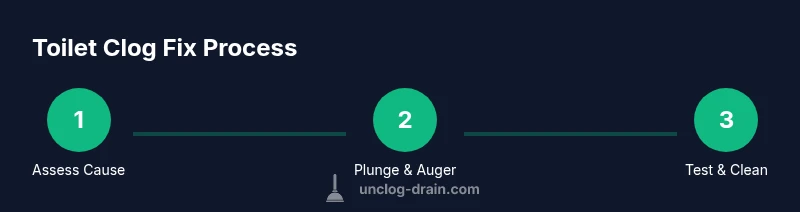
To clear a clogged toilet, start with safe prevention and step-by-step methods: inspect for overflow risk, gather tools, and choose a method based on clog severity. Begin with a plunger, then move to a toilet auger if plunging fails. Avoid harsh chemical cleaners and call a plumber if the clog persists.
Understanding the causes of a clogged toilet
Clogged toilets happen for a few common reasons. The most frequent culprits are excessive toilet paper, paper towels, sanitary products, or flushable wipes that aren’t truly flushable. Over time these items accumulate in the trap and drain line, creating a blockage that slows or stops flow. A partial blockage can cause slow draining and gurgling, while a full clog stops water from leaving the bowl after a flush. In some homes the blockage is not in the bowl at all but in the waste line beyond the trap, which can cause backups in other fixtures. Observing your toilet usage patterns over the past few days—flushing large amounts of paper, flushing items that shouldn't be flushed, or trying to flush multiple times at once—helps identify the likely culprits. Addressing the cause early reduces overflow risk and the need for aggressive methods later. According to Unclog Drain, prompt action can save you from bigger plumbing headaches and costly repairs.
Safety first: when to call a plumber
Before you dive into DIY methods, assess safety. If the bowl is consistently rising, you hear sewage-like odors, or water backs up into other fixtures, stop and prepare to contain spills. Wear rubber gloves and eye protection, and ventilate the room. Never mix cleaning products and avoid flood-prone areas with children or pets nearby. If you suspect a main sewer line issue or the clog resists both plungers and augers, it’s wise to contact a licensed plumber. Unclog Drain emphasizes that if the clog persists after a few careful attempts or is associated with multiple fixtures, professional diagnostics can prevent further damage and ensure your plumbing is sound.
Tools and materials that help DIY unclogging
Having the right tools makes all the difference. A flange plunger creates a tighter seal for toilets, improving suction and minimizing splash. A toilet auger (or snake) reaches deeper into the drainage path to clear or hook the blockage. Protective gloves, a bucket, and towels are essential for cleanups and containment. A flashlight helps you inspect the drain opening, and a small amount of dish soap can ease the seal for plunging. Optional items include a separate cleanup wand and extra rags for post-task sanitizing. Remember to avoid relying on chemical drain cleansers in toilets, which can damage seals and pipes if misused; mechanical methods are safer and often more effective for household clogs.
Step-by-step plunge method (high-level guidance)
A good plunge requires a tight seal and steady pressure. Place the flange plunger over the drain and push firmly to create suction, then pull back slowly to pull the clog away from the drain wall. Maintain the seal during each stroke and avoid lifting the plunger completely out of the water. If air leaks, re-seal and try again. Keep the water level just enough to cover the plunger cup—too much water reduces suction, too little water breaks the seal. After several strong, consistent plunges, pause and check for movement in the water or changes in level. If there’s no improvement after a minute or two, switch to an auger to target deeper obstructions.
Step-by-step auger method (deep clogs)
Insert the auger into the toilet bowl and feed the cable toward the drain until you meet resistance. Rotate the handle to work the cable past the blockage, then pull back slightly while applying gentle tension. When the resistance eases, retract the cable slowly and test by flushing. Clean the auger and handle after use. If the auger cannot pass through a bend or the clog remains stubborn, stop and seek professional assistance to avoid porcelain damage or pipe injury.
Using chemical cleaners vs safer alternatives
Chemical drain cleaners can pose fumes and damage seals. If you must use a product, read and follow the label closely and ventilate the area. Prefer safer alternatives first: enzymatic cleaners or mechanical methods (plunger/auger). Never mix cleaners with other chemicals, and never pour cleaners directly into a clogged toilet if there is standing water. For recurring issues, consider preventive measures like routine maintenance rather than chemical fixes.
Prevention and maintenance to avoid future clogs
Preventive steps save time and frustration. Flush only solid waste and toilet paper—avoid wipes, feminine hygiene products, and paper towels in the bowl. Regularly inspect the trap and main line for signs of buildup, and consider a monthly flush with hot tap water (not boiling) and a small splash of dish soap to keep pipes clear. If your home experiences frequent blockages, consider a home maintenance plan or a professional assessment to identify underlying issues such as vent pipe misorientation or partial sewer line obstructions. Consistent care reduces the chance of emergencies and keeps toilets flowing smoothly.
What to do if the toilet still won’t drain
If plunging and/or using an auger fail to clear the clog after multiple attempts, do not force the issue. Consider shutting off the water supply to prevent overflow and call a plumber. Persistent blockages can indicate more complex problems, such as a sewer line issue or a damaged wax seal. Document the symptoms (overflow, backups in other fixtures) so the plumber can diagnose quickly. The goal is to restore function without causing further damage, and sometimes professional equipment is necessary for a safe resolution.
Quick cleanup and sanitation
After you clear the clog, flush with plenty of water to verify the system is clear. Disinfect the bowl and any tools used, wash hands thoroughly, and launder towels or rags used during the process. If any spills occurred, sanitize the area to prevent slip hazards and odors. Store tools in a dedicated kit for future clogs and replace worn parts as needed. This careful wrap-up helps maintain a clean, safe bathroom and reduces the risk of reoccurring issues.
Tools & Materials
- toilet plunger (flange)(Use a flange plunger for a better seal)
- toilet auger (snake)(Choose a toilet-safe auger with protective sleeve)
- rubber gloves(Protect hands from waste and bacteria)
- bucket(Catch overflow or spills during work)
- old towels/rags(Contain spills and protect flooring)
- flashlight(Inspect drain opening and traps)
- dish soap(Lubricate plunger seal if needed)
- extra towels for cleanup(Dry and sanitize area after work)
Steps
Estimated time: 30-60 minutes
- 1
Prepare area and tools
Put on gloves, lay towels around the base, and gather your plunger, auger, bucket, and rags. This keeps everything accessible and minimizes mess before you start.
Tip: Having everything within reach reduces interruptions and helps maintain steady progress. - 2
Reduce water in the bowl
If the bowl is overflowing, remove some water with a small cup or dipper until the water level is near the rim. This lowers the risk of splashes during plunging.
Tip: Less water makes suction more effective; avoid removing too much water, which can break the seal. - 3
Create a tight seal with a flange plunger
Position the plunger so the flange extends into the drain, then press down firmly to form a tight seal with minimal air leaks.
Tip: If air leaks occur, readjust the seal and reapply pressure before continuing. - 4
Plunge with controlled strokes
Push and pull steadily, keeping the plunger fully submerged. Do not yank; consistent strokes build pressure to move the clog.
Tip: Avoid overdoing it; 15-20 solid strokes, then pause to check progress. - 5
Switch to an auger if plunging fails
Insert the auger into the bowl and feed it toward the drain until it meets resistance. Rotate the handle to work past the blockage.
Tip: Do not force past a bend; gentle rotation reduces risk of damage. - 6
Test the system
Retract the auger slowly and flush the toilet. If water drains, repeat steps as needed; if not, reassess or stop.
Tip: Flushing after clearing confirms success and prevents a repeat clog. - 7
If stubborn, stop and evaluate
Persistent clogs might indicate deeper issues—do not force equipment. Consider calling a plumber to assess sewer line or wax seal problems.
Tip: Document symptoms for the plumber to speed up diagnosis. - 8
Clean up and sanitize
Clean tools with hot water and disinfectants, wash hands thoroughly, and launder towels. Return tools to a dedicated kit.
Tip: Sanitizing prevents odors and keeps your bathroom safe for the next use.
Common Questions
What is the safest way to unclog a toilet?
Begin with a flange plunger to create a solid seal, then switch to a toilet auger if necessary. Avoid harsh chemical cleaners, and call a plumber if the clog persists or if there are multiple backups.
Start with a flange plunger and switch to an auger if needed. If the clog doesn’t clear, consider calling a plumber.
Can I use chemical drain cleaners in toilets?
Most plumbers discourage routine use of chemical drain cleaners in toilets due to fumes and potential damage to seals and pipes. Use mechanical methods first and reserve chemicals for rare cases only.
Chemical cleaners can be dangerous for toilets; prefer plungers or augers first.
How do I know when to call a plumber?
Call a plumber if plunging and augering fail after several attempts, if water backs up in other fixtures, or if you notice sewage smells or decreased drainage in multiple areas.
If plunging and augering don’t fix it, or other fixtures are affected, get a plumber.
Will hot water damage my toilet?
Pouring very hot or boiling water into a toilet can crack porcelain. Use hot tap water from the faucet, not boiling water, and avoid shock-cooling the bowl.
Don’t pour boiling water into the toilet; use hot tap water instead.
How long does DIY unclogging usually take?
Most DIY fixes take 15-60 minutes depending on the clog and the method used. More stubborn clogs can take longer or require a pro.
Most DIY fixes take under an hour, but some clogs need professional help.
What maintenance helps prevent clogs?
Flush only toilet paper and human waste. Avoid flushing wipes, paper towels, or feminine hygiene products. Periodic deep cleaning with safe methods can reduce buildup.
Flush only waste and toilet paper to keep clogs away.
Watch Video
Key Points
- Identify likely clog causes before acting.
- Start with plunging, then use an auger for deeper blockages.
- Avoid chemical cleaners in toilets; mechanical methods are safer.
- Shut off water and call a pro if the clog persists.
- Prevent future clogs with routine maintenance.