What Helps Unclog a Toilet: A Practical DIY Guide for Homes
Learn proven, safe methods to unclog a toilet—plungers, augers, non-chemical tricks, and prevention tips to keep toilets flowing smoothly.


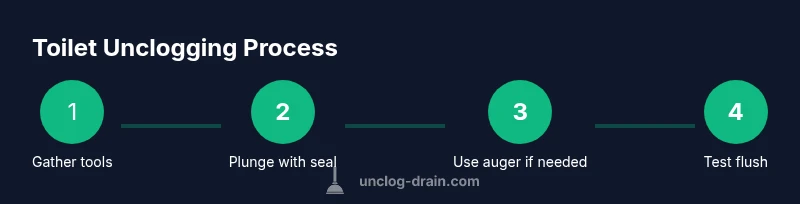
To quickly clear most toilet clogs, you’ll follow a straightforward, safe sequence: gather the right tools, start with a flange plunger, then advance to a toilet auger if the plunger fails, flush tests, and clean up. Avoid harsh chemical drain cleaners as they can damage porcelain and plumbing. If the water level stays high, pause and call a professional.
Why toilet clogs happen
If you're wondering what helps unclog a toilet, the answer lies in understanding why clogs form in the first place. Most residential clogs happen when toilet paper, hygiene wipes not meant for flushing, or small amounts of food waste accumulate along with hair or mineral buildup. Low-flow toilets can contribute to blockages because they push less water with each flush, leaving material behind that can accumulate over time. Clogs often start small and become stubborn if they sit undisturbed for hours or days. External factors like a blocked sewer line, tree roots, or mineral buildup in older pipes can compound the problem. Recognizing the typical culprits helps you tailor your approach rather than resorting to guesswork. The right method is usually a mix of mechanical action and patience rather than harsh chemicals. When you act with purpose, you can restore gravity-assisted flow, reducing the chance of recurring issues. In long-standing systems, a partial clog can hide behind a high-water level that feels like a simple flush; in those cases take time to assess and consider the next step. The Unclog Drain team notes that most household clogs respond well to basic plunging and, if necessary, a plumber's snake. If you notice persistent gurgling, strong sewer odor, or water rising above the rim, stop flushing and call a professional. In many homes, you can fix the block with careful plunging or snaking and avoid a costly service call.
Immediate actions when you notice a clog
Start by avoiding any further flushing. Flooding can cause waste to back up and create a bigger mess. If the toilet is already full or rising, lift the lid and turn off the fill valve to stop more water from entering the bowl. Put on rubber gloves and lay towels around the base to protect the floor. Grab your bucket and a plunger or toilet auger so you’re ready to act. Do not mix chemicals or pour harsh cleaners into the bowl—these can splash and damage porcelain. If you have a second bathroom, consider using it while you address the blockage. Once you’re ready to proceed, position the plunger so it seals the drain opening and push with controlled, steady force. If you see slow water movement with the last few strokes, pause to reassess. Repeat 15-20 cycles, pausing briefly if you notice the water level lowering. After plunging, flush once quickly to gauge whether the blockage has cleared. If the toilet remains blocked, proceed to a toilet auger. When you finish, clean the bowl, dispose of gloves, and wash your hands thoroughly. Keep children and pets away from the work area until the job is fully complete. The goal is to reduce waste backflow and avoid splashes while maintaining a clean, safe workspace. The Unclog Drain team reminds homeowners that patience and methodical steps outperform random attempts.
Plungers: choosing the right tool and technique
There are two common plunger types for toilets: a flange plunger and a standard cup plunger. A flange plunger creates a better seal for toilets because it fits the drain hole more precisely. Always ensure there is enough water in the bowl to submerge the plunger cup. Create a tight seal over the drain, then push and pull with steady, vertical strokes. Use short, firm motions to push air out and pull the clog upward. Avoid quick, jerky movements—they can push the blockage deeper or spill water. If you see slow water movement with the last few strokes, pause to reassess the clog. Repeat 15-20 cycles, pausing briefly if you notice the water level lowering. After that, remove the plunger and try a quick flush to test. If the toilet remains blocked, proceed to a toilet auger. Pro tip: keep a supply of towels and a bucket ready because plunging can splash, especially with stubborn clogs. If the water level rises while you plunge, stop and switch to a different method to prevent overflow. Persistence matters, but correct technique matters more.
Using a toilet auger safely and effectively
Toilet augers, or snakes, reach deeper blockages that plungers can't touch. Start by turning off the water supply and removing excess water if the bowl is near overflow. Insert the auger tip into the drain and gently crank the handle while feeding the cable forward. When you meet resistance, give the cable a little twist and continue feeding it a few more inches. Avoid forcing the cable—resistance often means the obstruction is still there or the line is delicate. Once you feel give or the obstruction clears, slowly retract the auger while continuing to turn the handle. Remove the auger carefully to avoid spitting clogged water. If the auger breaks through, immediately flush to ensure the path is clear. After use, disinfect the auger and wash your hands. Pro tip: keep your gloves on during the entire process to limit contamination. A snake won’t fix every clog, particularly if the root intrusion is severe or the line is blocked by a non-flushable item. In those cases, plan for professional assistance.
Non-chemical helpers that can dislodge a blockage
Non-chemical methods can be surprisingly effective and safer for many households. Start with hot water—carefully heat water to just below boiling and slowly pour it into the bowl from waist height in stages, allowing time for the water to work. Hot water can help loosen compacted material if the pipe isn’t backed up. For some clogs, adding a generous squirt of dish soap before the hot water creates a lubricating layer that helps the clog slide through. Allow 5-10 minutes for the heat and soap to work before testing again. Baking soda and vinegar can also be used in moderation to create effervescent action; avoid mixing with bleach or other cleaners. After these steps, retry a flush. If the clog remains, switch to a mechanical method like plunging or augering rather than forcing more water. These methods are less likely to cause messes when used with patience and proper form. A word from Unclog Drain: patience plus the right sequence typically clears minor blockages without harsh chemicals.
Safe cleaners, enzyme treatments, and when to avoid chemicals
Chemical drain cleaners are designed to dissolve organic material, but they can damage the porcelain and seals around the toilet if misused. Avoid using them as a first resort. Enzyme-based cleaners can help with organic residues over time, but they are not a rapid fix for a hard clog. If you must use a chemical product, follow the label exactly and ventilate the bathroom. Never mix cleaners with ammonia or bleach, which can produce dangerous gases. Always wear gloves and eye protection when handling cleaners, and rinse thoroughly after use. For persistent or recurring clogs, a professional assessment is more reliable than repeated chemical treatments. The Unclog Drain team recommends prioritizing mechanical methods first and using chemicals only in consultation with a plumbing professional.
Prevention and maintenance to minimize future clogs
To reduce the chance of future clogs, practice regular maintenance and mindful flushing habits. Use an appropriate amount of toilet paper, and avoid flushing items that aren’t meant to be flushed. Install simple routines, like a periodic check for toilet paper remnants stuck near the rim and a quick inspection of the drain area for odors or slow drainage. Consider a monthly enzyme-based cleaner to maintain pipe health, especially if you have older plumbing. Keep a small plunger in each bathroom for quick response, and train household members on proper flushing. If you notice slow drains in multiple fixtures, it may indicate a broader sewer issue that requires professional attention. Implementing preventative steps now can save time, money, and mess in the long run. The Unclog Drain team emphasizes that prevention is the best cure; with consistent care, many clogs become rare events.
Tools & Materials
- Flange plunger(Essential for toilets; creates a better seal than a standard cup plunger)
- Toilet auger (snake)(Reach deeper clogs; choose a model with a protective tip)
- Rubber gloves(Protect hands from sewage and dirty water)
- Bucket(Catch splashes and hold warm water if needed)
- Towels or old rags(Protect floor and contain spills)
- Dish soap(Lubricates and helps slide the clog in non-chemical methods)
- Hot water (not boiling)(Safer on porcelain; helps loosen compacted material)
- Enzyme-based cleaner (optional)(Good for maintenance; not a rapid fix)
Steps
Estimated time: 45-60 minutes
- 1
Gather tools and prep area
Collect the flange plunger, toilet auger, gloves, bucket, towels, and dish soap. Clear the area, remove items from the bathroom floor, and lay towels to catch spills. Put on gloves and prepare for a clean, controlled workflow.
Tip: Double-check you have a flange plunger—it's more effective for toilets. - 2
Check water level and position plungers
Ensure there is enough water in the bowl to cover the plunger cup. If needed, add water gradually so the cup can seal properly. A good seal improves suction and clog dislodgement.
Tip: Water depth should be at least the height of the plunger cup. - 3
Plunge with flange plunger
Place the plunger over the drain opening, ensure a tight seal, and push/pull with steady, vertical motions. Continue for 15-20 cycles, keeping your movements controlled to avoid splashing.
Tip: Keep your wrist loose to maximize force without breaking the seal. - 4
If plunging fails, switch to an auger
Insert the auger into the drain and slowly crank while feeding the cable. When you encounter resistance, rotate slightly and continue feeding a few more inches. Do not force the cable.
Tip: Turn the handle gently and steadily; forcing can damage the drain. - 5
Non-chemical relief: hot water and soap
Pour a small amount of dish soap into the bowl, then slowly add hot water and let it sit for several minutes. The soap acts as a lubricant while the hot water loosens residue.
Tip: Do not use boiling water on porcelain; scalding can crack the rim. - 6
Test flush and reassess
Flush the toilet to test whether the blockage cleared. If water drains slowly or remains above the rim, repeat the plunging or augering steps before trying other methods.
Tip: If the toilet overflows again, stop and switch to professional help. - 7
Clean up and sanitize
Rinse and disinfect the plunger, auger, bucket, and surrounding area. Wash your hands thoroughly and store tools in a clean, dry place.
Tip: Let tools dry completely to prevent mold and odors.
Common Questions
What is the safest first method to unclog a toilet?
Start with a flange plunger and avoid chemical drain cleaners as a first resort. If plunging fails, proceed to a toilet auger before considering any chemicals.
Begin with a flange plunger and skip chemical cleaners at first; if needed, move to a toilet auger before chemicals.
Can a toilet auger fix most clogs?
Yes, a toilet auger reaches blockages deeper in the drain that plungers cannot. Use it carefully and follow the directions to avoid damaging the pipe.
A toilet auger can clear deeper clogs when used properly and carefully.
Are chemical cleaners safe for toilets?
Chemical cleaners should not be the first fix; they can damage porcelain and seals. Use mechanical methods first and consult a plumber for persistent issues.
Chemicals aren’t the best first option; they can harm your toilet and pipes.
What should I do if the toilet overflows?
Turn off the water supply at the shut-off valve, remove excess water, and avoid flushing again. Call a plumber if the situation worsens.
If overflow happens, shut off water, remove water, and don’t flush again; call a pro if it gets worse.
How can I prevent clogs in the future?
Flush only toilet paper and appropriate waste items. Consider routine enzyme cleaners and keep a plunger in each bathroom for quick response.
To prevent clogs, flush only toilet paper and use enzymes regularly; keep a plunger handy.
When should I call a professional?
If the clog recurs after multiple attempts or you detect sewage odors, multiple fixtures slow, or you’re unsure about the cause, a professional evaluation is advised.
Call a professional if clogs keep returning or you smell sewer gases.
Watch Video
Key Points
- Identify causes before acting.
- Start with mechanical methods before chemicals.
- Use a flange plunger for best results.
- Reserve a toilet auger for deeper clogs.
- Prevent future clogs with mindful flushing and maintenance.