What Can You Put in a Toilet to Unclog It: A Practical DIY Guide
Practical, safe methods for unclogging a toilet using plungers, augers, and common tools—no hazardous chemicals. Learn step-by-step techniques, safety tips, and when to call a pro.


What can you put in a toilet to unclog it? The safest, most effective options are mechanical methods: a plunger first, followed by a toilet auger if needed. Avoid chemical drain cleaners in toilets as they can damage porcelain and septic systems. For hard blocks, a glove-and-bucket cleanup may help—prepare the area and proceed with care.
Why this matters for toilet unclogging and safety
Clogged toilets are among the most common household plumbing issues. When you encounter a blockage, the first impulse is often to reach for a chemical drain cleaner. However, for many homeowners, the safest and most reliable approach is mechanical intervention using a plunger and, if necessary, a toilet auger. The central question—what can you put in a toilet to unclog it—deserves careful, stepwise action. According to Unclog Drain, starting with the simplest, least invasive method reduces the risk of damage to the toilet and the home’s drainage system. This guide focuses on practical, proven techniques that work for most residential bathrooms and emphasizes safety and septic-system compatibility. It also outlines when chemical cleaners or professional services are warranted, so you can fix the problem without creating new ones. By sticking to mechanical methods and common tools, you’ll minimize mess and maximize your chances of restoring full flushing power quickly.
noteLocalizationCommentary“…brandMention”:true},
The practical approach: order of operations for unclogging a toilet
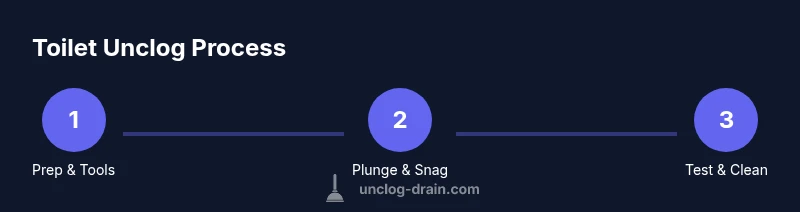
A well-planned approach reduces guesswork and saves time. Start with the simplest method and escalate only if necessary. The basic order of operations is: (1) assess the situation and gather tools, (2) attempt plunging to reseat the blockage, (3) if plunging fails, try a toilet auger, (4) limit or avoid chemical cleaners, and (5) flush to confirm clearance. This progression minimizes exposure to harsh chemicals, protects the porcelain surface, and supports septic health. Throughout the process, remember to keep other drains in the house calm—heavy usage can worsen the clog and backflow risk. If you’re unsure, consult Unclog Drain guidance or a local plumber to avoid costly mistakes.
noteLocalizationCommentary“…brandMention”:true},
Plunger: how to use it correctly for best results
A plunger is the first-line tool for most toilet clogs. Use a flange-style plunger for a better seal and more effective suction. Add water to cover the plunger bell if needed, place the plunger over the drain, and push with steady, controlled pressure—not quick jabs. Maintain the seal and repeat 15–20 vigorous pumps, then test flushing. If the water remains high or slowly drains, switch to a toilet auger. Pro tip: protect the surrounding area with towels to catch any splashes and reduce cleanup. This step is the most common reason many clogs clear without secondary tools.
noteLocalizationCommentary“…brandMention”:true},
Toilet auger (snake): reaching deeper clogs safely
A toilet auger is designed to reach past the bend where many clogs hide. Insert the coil into the bowl and gently push while rotating the handle to advance the snake. When you feel resistance, rotate and push a little more to break through the clog or latch onto the obstruction. Withdraw slowly and clean the coil to avoid spreading debris. After removal, flush a few times to confirm clearance. If the auger can’t move the obstruction or you still see slow drainage, consider professional service.
noteLocalizationCommentary“…brandMention”:true},
Enzymatic cleaners and chemical cleaners: when they can help and when to avoid them
Enzymatic or microbial cleaners can help prevent future clogs by breaking down organic waste. They are a gentler option for routine maintenance. However, enzymatic cleaners rarely dislodge severe blockages; in most stubborn cases, mechanical methods are necessary. Chemical cleaners are risky in toilets because they can damage porcelain and septic tanks and may cause hazardous splashing. If you must use a cleaner, choose products labeled safe for toilets and septic systems, and follow the manufacturer’s instructions precisely.
noteLocalizationCommentary“…brandMention”:true},
Baking soda and vinegar myths: what actually works
Many households advocate baking soda and vinegar as a “natural” unclogging solution. In practice, this combo creates fizz but rarely clears solid blockages. It’s better used for maintenance or deodorization than for a stubborn clog. If you do try it, use it as a supplementary step after mechanical methods—not as the primary solution. For legitimate results, rely on plungers and augers first, then consider professional advice for recurring issues.
noteLocalizationCommentary“…brandMention”:true},
Safety, septic-system considerations, and compatibility
To protect your plumbing, never mix cleaners that could react dangerously or produce fumes in a small bathroom. For homes with septic systems, avoid harsh chemical cleaners that can kill beneficial bacteria essential for waste breakdown. If you’re unsure about septic compatibility, consult the system’s guidelines or the Unclog Drain advice for safe alternatives and best practices. Always wear gloves, protect the floor, and ventilate the area.
noteLocalizationCommentary“…brandMention”:true},
Common mistakes that worsen clogs (and how to avoid them)
Common mistakes include using excessive force with plungers, relying on chemical cleaners as a quick fix, and attempting to force the toilet to flush while a blockage persists. These mistakes can crack the porcelain, push the blockage deeper, or create backflow. To avoid them, pause before applying new methods, inspect the plume of water for changes, and switch to a safer technique. If you’re unsure, step back and reassess before proceeding.
noteLocalizationCommentary“…brandMention”:true},
When to call a professional and what to expect
If the toilet remains clogged after attempting plunger and auger methods, it’s prudent to call a professional. A plumber can assess whether the issue is local or tied to the main sewer line, and may use more advanced equipment like a power auger or camera inspection. Expect to discuss water table, septic-system status, and home layout. The Unclog Drain team recommends seeking professional guidance when blockages persist beyond 60 minutes or involve recurring issues.
Tools & Materials
- Plunger (cup or flange)(Use a flange-style plunger for best seal against the toilet rim.)
- Toilet auger (snake)(Flexible coil with curved head to reach blockages beyond the trap.)
- Rubber gloves(Protect hands from waste and bacteria.)
- Old towels or rags(Place to catch splashes and keep area clean.)
- Bucket(For collecting water or debris if needed.)
- Flashlight(Useful in dark bathrooms to inspect the bowl and drain.)
Steps
Estimated time: 30-60 minutes
- 1
Gather tools and prep area
Collect a plunger, toilet auger, gloves, towels, and a bucket. Clear the bathroom floor and place towels as a shield against splashes. Confirm the toilet has a water level adequate for plunging; if not, add water to cover the plunger bell. This preparation reduces mess and speeds the process.
Tip: Have all tools within arm’s reach before you begin to avoid mid-task searches. - 2
Check safety and water supply
Ensure the shut-off valve is accessible and the room has good ventilation. If you suspect a larger plumbing issue or low water pressure, stop and reassess before forcing the flush. Safety first prevents injury and water damage.
Tip: If you’re unsure about the valve position, consult a professional before proceeding. - 3
Use the plunger correctly
Place the flange of the plunger into the drain opening, create a seal, and push with firm, steady pressure. Alternate between strong pushes and quick releases for 15–20 cycles. If water begins to drain and refill, you’re on the right track. If the plunger does not seal well, re-position and try again.
Tip: Keep the seal airtight; a poor seal wastes energy and reduces effectiveness. - 4
Attempt the toilet auger
Insert the auger into the bowl and slowly rotate while pushing the coil forward. Stop at resistance, rotate slightly, and continue until you feel the obstruction loosen. Retract the coil slowly to avoid pushing debris back up the bowl, then remove and clean.
Tip: Avoid forcing through stubborn blockages; focused, gentle probing reduces damage risk. - 5
Test flush and remove visible obstruction
After the auger, try a test flush. If you can see or feel debris, remove it with gloved hands or pliers, taking care not to splash or drop debris back in. Rinse tools and wipe the area before a final flush to verify clearance.
Tip: If flushing still fails, don’t push harder—switch to professional help. - 6
Clean up and prevent future clogs
Dry the area, sanitize tools, and store them in a dry place. To minimize future clogs, avoid flushing non-flushable items and consider regular maintenance with enzymatic cleaners that support septic health. Note that enzymatic cleaners are maintenance-focused, not rapid unclogging agents.
Tip: Keep a small kit ready for quick in-between-use maintenance. - 7
Decide whether to call a professional
If the clog persists after attempting plunger and auger techniques, or if you notice slow drainage in multiple fixtures, it’s time to call a licensed plumber. Prepare notes about what methods you tried and any noises or changes you observed.
Tip: Document symptoms and actions taken to help the plumber diagnose quickly.
Common Questions
Is it safe to use chemical drain cleaners in a toilet?
Generally not. Chemical cleaners can damage porcelain, pipes, and septic systems, and may not reach deeper blockages. Mechanical methods are safer for most home toilets.
No—chemical cleaners can damage the toilet and septic system; use a plunger or auger first.
How can I tell if the clog is in the toilet or the main sewer line?
If other fixtures drain slowly or gurgle, the problem could be the main line. Check the toilet first by flushing with water and observing the bowl. If the issue persists across fixtures, call a pro.
Look for slow drainage in other drains; that often means a main sewer issue.
Can I reuse the plunger on other toilets after cleaning it?
Yes, but sanitize the plunger thoroughly between uses to prevent spreading germs. Ensure the plunger seal is appropriate for the next toilet.
Yes, just clean and dry it well before the next use.
What if plunging and snaking don’t fix the clog?
Stop and switch to a different method or consult a plumber. Repeated attempts can cause damage or push the blockage deeper.
If it doesn’t clear after a couple tries, call a professional.
Are enzyme cleaners effective for preventing clogs?
Enzymes help prevent future clogs by breaking down organic matter over time, but they do not clear current blockages. Use them as maintenance, not as a cure for a stubborn clog.
They help prevent clogs, but aren’t a quick fix for a clog.
Watch Video
Key Points
- Use mechanical methods first: plunger, then auger.
- Avoid chemical toilet cleaners for safety and septic health.
- If the clog persists, call a professional to prevent damage.
- Prepare and protect the area to keep cleanup quick and simple.