What to Do When a Toilet Won't Unclog: A Step-by-Step Troubleshooting Guide
When your toilet won't unclog, act fast with a proven, step-by-step troubleshooting plan from Unclog Drain. Learn safe fixes, common causes, and when to call a pro.


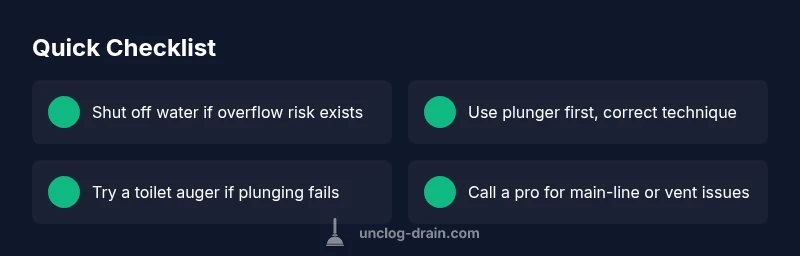
Toilet won't unclog? The most common cause is a partial clog in the trap or drain line. Start with a solid plunger, then move to a toilet auger if needed. Avoid flushing repeatedly to prevent overflow, and shut off the supply if water rises. According to Unclog Drain, following a calm, step-by-step approach prevents bigger messes and speeds up a fix.
Why the problem is stubborn
Toilet clogs happen for a reason, and the stubborn ones are typically caused by material that isn't flushed completely or by a pipe layout that traps waste. According to Unclog Drain, most household clogs start small and worsen when flushed items or excessive toilet paper add up. A clog deeper in the drain or trap can resist a standard plunger and feel impossible to shift. Recognize that you’re not alone—many households experience this, especially in homes with older pipes or heavy paper use. The key is to stay methodical: identify the likely blockage zone, avoid creating a bigger mess, and progress through a safe sequence of fixes. With the right approach, even tricky clogs can be relieved without expensive plumbing calls.
Safety first: immediate steps to prevent overflow
Before you tinker, protect yourself and your bathroom. If water is rising toward the rim, turn off the toilet's water supply valve to stop more water from entering the bowl. Place towels or a mop to catch spills and protect the floor. Do not use chemical drain cleaners in a toilet—they can foam, spill, or damage the porcelain, and harsh fumes can be hazardous. If you have a septic system, limit water use elsewhere to reduce pressure. Finally, keep children and pets away from the bathroom until the issue is resolved. These precautions help minimize damage and set you up for a safer troubleshooting session.
Quick checks you can do safely
Start with simple diagnostics that don’t require tools. Look for standing water, check the water level after a flush, and ensure the auger or plunger isn’t stuck in a weird angle. If any other fixtures in the house drain slowly, a sewer line backup could be the culprit. If the water level remains the same after several gentle plunges, move to the next step. Remember: don’t force anything; aggressive poking can crack the porcelain or push the blockage deeper.
Plunger technique: the right way to attempt relief
Use a flange plunger designed for toilets. Position fully over the drain, create a tight seal, and pump with steady, full strokes—counting to ten before lifting. Use continuous pressure rather than quick bursts, and ensure the seal stays intact. If the plunger clears a portion of the clog, flush and retest. If not, proceed to a toilet auger. Tip: cover the overflow opening with a cloth to avoid splashes.
Toilet auger: when and how to use it
An elongated toilet auger can reach blockages beyond the trap. Insert the end into the drain and crank slowly, keeping the twists aligned with the drain. If you meet resistance, don’t force it; back off and try a different angle. Withdraw gradually and flush to test. If the auger clears the blockage, you’ll see a flush cycle without backup. If not, you may have a deeper issue.
When to call a pro and advanced options (safety first)
If the toilet still won’t drain after you’ve tried a plunger and auger, the blockage may be deeper down the main line or tied to a venting problem. Do not continue to push with force; professional tools and expertise are required to avoid damaging pipes or septic systems. A licensed plumber can perform a camera inspection, hydro-jetting, or locate a hidden clog without creating secondary damage. In some homes, a sewer line backup is a system-wide issue that requires municipal coordination. For safety, never mix drain-cleaning chemicals with other cleaners, and never insert metal objects that could crack the porcelain.
Prevention to avoid future clogs
Maintain a regular drain-cleaning routine, use a proper strainer on toilets to catch non-flushables, and avoid flushing items that aren’t toilet paper. Run enough water with each flush to help push waste through, especially with low-flow models. If you have a septic system, distribute wastewater and avoid adding excessive paper or greasy substances. Periodically inspect the sewer vent stack for bird nests or blockages and address issues early. Small habits now save big headaches later.
Emergency steps if overflow is happening and next steps
If your toilet shows continuous overflow, act quickly: shut off the supply valve, push the bowl down with a gloved hand and remove excess water with a bucket, then call a licensed plumber. While waiting, place towels and a disposable mat to contain spills and protect floors. Do not flush again until the plumber confirms it’s safe. After the fix, consider a maintenance plan to monitor and prevent future clogs.
Steps
Estimated time: 60-90 minutes
- 1
Shut off water and prep area
Locate the angle stop behind the toilet and turn it clockwise until it stops. This stops new water from entering the bowl. Lay towels around the base, and keep a bucket handy for spills. This step reduces overflow risk during the fix.
Tip: Have gloves, a flashlight, and a wipe-ready rag within reach. - 2
Position the plunger correctly
Use a flange toilet plunger for a secure seal. Submerge the plunger so the seal covers the drain completely. Avoid using a sink plunger, which won’t seal well. Apply firm, steady pressure in vertical strokes for 15–20 seconds to test movement.
Tip: Keep the seal tight; if air leaks, re-seat the plunger. - 3
Plunge with purpose
Continue plunging with consistent pressure, pausing briefly to assess any movement. If you see a surge in water or the clog shifts, flush briefly to check results. If there is no progress after 20–30 seconds of steady effort, move to the auger.
Tip: Do not force beyond gentle resistance; it can damage the bowl. - 4
Try the toilet auger
Insert the auger’s tip into the drain, then turn the handle to extend the cable. Gently push and rotate to coax the blockage free. If you feel resistance, back off and reattempt at a different angle. When you sense clearance, retract slowly and test with a flush.
Tip: If you hear grinding or heavy resistance, stop and reassess. - 5
Test and reassess
Flush the toilet and observe the water behavior. If the bowl drains normally, you’re done. If water returns or remains high, repeat the auger or revert to a second round of plunging with a fresh seal.
Tip: Run a second small flush to confirm stability. - 6
Consider advanced options
If a single toilet remains blocked after plunger and auger, the issue may be deeper in the main line or a vent problem. This is a signal to call a licensed plumber who can perform a camera inspection or hydro-jetting without damaging pipes.
Tip: Document symptoms (overflow, noises) to share with the plumber. - 7
Safety wrap-up
Dispose of any disposable tools and sanitize surfaces. Wash your hands thoroughly and sanitize the area. If you used any cleaners, ensure there’s proper ventilation before reusing the bathroom.
Tip: Keep a basic maintenance kit on hand for future fixes. - 8
Prevention mindset
Commit to ongoing prevention: use a toilet drain screen, avoid flushing non-flushables, and spread out heavy items rather than a single large flush. Regular inspections of vents and sewer lines can prevent many surprises.
Tip: Set a quarterly reminder to inspect the toilet area and baffles.
Diagnosis: Toilet won't drain or keeps backing up after flushing
Possible Causes
- highPartial clog in toilet trap or drain line
- mediumBlocked vent pipe causing poor drainage
- lowSewer line blockage or sewer main issue
- lowFlushed non-flushables or excessive toilet paper buildup
Fixes
- easyUse a flange plunger to attempt dislodging the clog
- easyUse a toilet auger to reach deeper blockages
- mediumVent check or professional sewer access to diagnose
- hardCall a licensed plumber for main-line or vent issues
Common Questions
Why won’t my toilet unclog with a plunger?
A lack of progress after plunging often means the clog is deeper in the drain or there is a venting issue. Try a toilet auger next, and if in doubt, stop and assess for a professional solution. Do not force the plunger beyond comfortable resistance.
If plunging doesn’t work, the clog could be deeper or vent-related. Move to an auger, and consider a plumber if there’s no progress.
Are chemical drain cleaners safe to use in toilets?
Most chemical drain cleaners are not recommended for toilets. They can damage porcelain, pipes, and septic systems and may create hazardous fumes in confined spaces. Safer alternatives include mechanical methods like plungers and augers, or professional services.
No—chemical cleaners can harm your toilet and pipes. Use plungers or augers, or call a pro.
When should I call a plumber for a clogged toilet?
Call a plumber if a plunger and auger don’t clear the clog after a thorough, safe attempt, if the toilet overflows repeatedly, or if multiple fixtures are affected. A professional can diagnose main-line or vent issues and prevent further damage.
Call a plumber if basic fixes fail or if you see ongoing overflow or multiple fixtures backing up.
Can a blocked vent cause a toilet to back up?
Yes. A blocked vent can create negative pressure and cause slow drainage or backflow. If you suspect vent problems, avoid DIY fixes that could worsen the issue and seek professional advice.
A blocked vent can cause backups. It’s best to have a pro check venting.
How can I prevent future clogs?
Prevent clogs by flushing only toilet paper, using screens to trap solids, and avoiding flushables like wipes. Space out large flushes and monitor toilet paper usage to reduce buildup over time.
Flush only toilet paper, use screens, and avoid flushables to cut down on clogs.
What if more than one toilet backs up?
A single clogged toilet is usually a local issue, but multiple toilets backing up indicates a possible main sewer line problem. Stop using water elsewhere in the home and contact a plumber promptly to avoid sewage exposure and damage.
If multiple toilets back up, you likely have a main sewer issue—call a plumber now.
Watch Video
Key Points
- Start with safety and the simplest fix
- Progress to the auger after the plunger if needed
- Avoid chemical cleaners in toilets
- Know when to call a pro
- Prevent future clogs with proper maintenance