What If You Can't Unclog a Toilet? Quick Fixes
A fast, practical guide from Unclog Drain to diagnose and fix stubborn toilet clogs. Learn safe, step-by-step DIY fixes and when to call a professional.


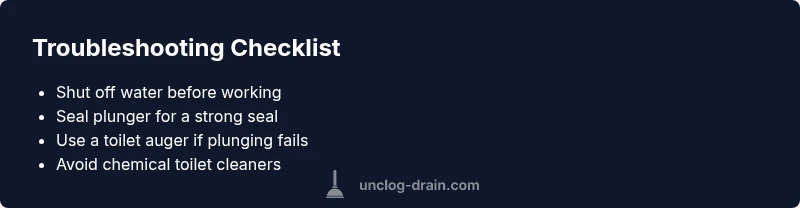
Most often the issue is a stubborn blockage in the toilet trap or drain. Start with a strong toilet plunger, ensuring a good seal and several firm pumps. If that fails, use a toilet auger (plumber's snake) to reach the clog. Do not dump harsh chemical cleaners; if water remains high or backs up after these steps, consider professional help to prevent sewer backups.
Why a toilet might refuse to unclog and how to start
When a toilet won’t unclog, the instinct is to force more water or try harsher methods. However, most stubborn clogs begin in the trap or the lower part of the drain. According to Unclog Drain, the majority of bathroom blockages are caused by solid material lodged in the toilet’s trap or the drain line, not by a mysterious plumbing fault. Start with calm, methodical steps rather than brute force. Clear communication with your tools and space reduces the risk of overflows and damage. As you proceed, keep in mind that safety matters: wear gloves, avoid mixing cleaners, and never assume a chemical solution will magically fix the clog. This guide from the Unclog Drain team provides a practical, safe path to restoration.
Quick checks you can do before forcing a flush
Before you dive into plunging or snaking, perform a few quick checks:
- Confirm the toilet handle is fully releasing the flapper and flush valve; a stuck valve can mimic a clog.
- Look for standing water in the bowl. If the water level is near the rim, you may be dealing with a partial blockage that needs careful pressure.
- Inspect the drain for odors or gurgling sounds, which can indicate venting issues or a developing sewer backup.
- Make sure the bathroom vent is clear; poor venting can slow drainage and amplify clog symptoms.
- Gather your tools: a toilet plunger with a flange, a toilet auger, rubber gloves, a bucket, and towels for cleanup. Avoid chemical cleaners in toilets, as they can damage seals and worsen problems if not used correctly.
The most common culprits and how they behave
Clogs behave differently depending on where they are and what caused them. A solid object like toilet paper clumped into a wad often blocks the trap or bend; hair, toiletries, and wipes can snag in the drain line; a misbehaving flapper can prevent full bowls from draining. Recognizing patterns helps you choose the right tool:
- A quick surge with a plunger usually clears a simple trap blockage.
- When plunging doesn’t work, the clog may be beyond the trap, requiring a toilet auger to reach into the drain.
- Recurrent clogs could indicate a venting issue or a deeper sewer line problem, which almost always requires professional inspection. In all cases, stay patient and avoid forceful flushing that could cause overflows.
Safe methods to clear a stubborn clog (no chemicals)
There are reliable, non-chemical methods you can try safely:
- Plunger technique: Use a flange plunger, seal the bottom of the bowl, and push with steady, downward pressure. A few firm, confident strokes help create pressure that can break the clog.
- Toilet auger: Insert the auger into the drain, gently rotate, and push forward until you feel the resistance release. Retract slowly and repeat as needed.
- Water management: If water level rises, stop flushing to minimize overflow. Remove excess water with a sponge or cup to keep the mess manageable while you work.
- Alternative approaches: In some cases, carefully using a wet/dry vacuum to extract the blockage from the drain can help—but avoid suction near the water line if you’re unsure. Always stop if you feel resistance or an unfamiliar scent warns you of backflow.
When to stop and call a professional
If you’ve exhausted basic plunging and snaking (and maybe even removing the toilet for better access) without success, it’s time to bring in a licensed plumber. A professional has specialized tools (like inspection cameras and larger augers) and the experience to identify venting issues or sewer main problems that DIY attempts can miss. Don’t delay if there are signs of sewage backflow, persistent gurgling from the pipes, or multiple toilets showing the same issue. Prompt professional help reduces the risk of costly damage and health hazards.
Maintenance to prevent future clogs
Prevention beats remediation. Implement a simple routine:
- Use a diaphragm plunger for routine maintenance, keeping it accessible in the bathroom.
- Avoid flushing non-flushable items and dispose of wipes and feminine products in the trash, not the toilet.
- Regularly inspect the vent stack for blockages (a professional can clear if needed).
- Consider a monthly flush with a small amount of baking soda and hot water as a preventative measure (avoid chemical cleaners).
- If you share a sewer line with other fixtures or have an older system, schedule a professional inspection every 2-3 years to catch developing issues early.
Steps
Estimated time: 60-90 minutes
- 1
Shut off water and remove standing water
Locate the shut-off valve behind the toilet and turn it clockwise until snug. Remove as much water as possible from the bowl with a sponge or cup to reduce overflow risk during the fix.
Tip: Keep towels handy for spills; always keep kids and pets away. - 2
Create a tight seal with a flange plunger
Place the plunger so that the rubber flange goes into the drain and forms a tight seal. Push down firmly several times to generate pressure that may dislodge the clog.
Tip: Ensure the plunger is fully submerged to get a stronger seal. - 3
Try a toilet auger if plunging fails
Insert the auger into the drain and crank slowly to extend the tip beyond the blockage. Reel it back gently to pull the clog or break it apart.
Tip: Do not force the auger through the bend; work it gradually. - 4
Flush cautiously and assess
Turn the water back on and flush slowly to see if the bowl drains. If water rises again, stop and move to the next method to avoid overflow.
Tip: Give the system a moment to settle between attempts. - 5
Consider alternative methods if needed
If the clog persists, you can carefully use a wet/dry vacuum on the lowest setting to extract the blockage from the drain line, or you may lift the toilet to access the trap directly.
Tip: Only attempt toilet removal if you’re confident in right procedure to avoid cracks. - 6
Reassemble and test
Reattach the supply line, turn on the shutoff valve, and perform a few controlled flushes to ensure the toilet drains fully without leaks.
Tip: Monitor for leaks around the base; reseal if necessary.
Diagnosis: Toilet won't drain or overflows after flushing
Possible Causes
- highSolid blockage in the trap or drain
- mediumVent stack blockage or poor venting
- lowSeptic system or sewer main backup
Fixes
- easyUse a flange plunger with proper seal and several firm pumps, then reassess
- easyInsert a toilet auger to clear deeper clogs and retrieve blockage
- easyTurn off the water supply, remove standing water, and try again after drying the bowl
- mediumIf water remains high or backflow occurs, call a licensed plumber for deeper inspection
Common Questions
What should I do first when the toilet won't unclog?
Begin by turning off the water, removing standing water, and trying a flange plunger. If that fails, use a toilet auger. Avoid chemical cleaners.
Start by turning off the water and trying a flange plunger. If it doesn’t work, use a toilet auger and avoid harsh chemicals.
Is it safe to use chemical toilet cleaners to clear a clog?
Chemical cleaners can damage seals and pipes and may cause dangerous fumes. Rely on mechanical methods like plungers and augers first.
Chemicals can damage your toilet and pipes; stick with plungers and augers first.
When should I call a plumber for a toilet clog?
If basic methods fail after 30-60 minutes of effort or you notice sewage backing up in other fixtures, contact a licensed plumber.
If simple fixes don’t work after some time, call a plumber to avoid bigger problems.
Can I unclog a toilet with a wet/dry vacuum?
Yes, with caution. Use the vacuum on a low setting and away from water splashes. Do not attempt if you’re unsure about the equipment.
A wet/dry vacuum can help, but proceed slowly and safely.
Why does a toilet clog reoccur after clearing?
Recurring clogs may indicate a deeper blockage in the drain line, a venting issue, or a sewer line problem that requires professional evaluation.
If it keeps clogging, the issue is probably deeper in the drain or vent system.
Are these methods safe for septic systems?
Most mechanical methods are septic-friendly, but avoid harsh chemical cleaners that can disrupt septic balance and harm the system.
Mechanical methods are generally safe for septic systems if you skip harsh chemicals.
Key Points
- Start with the plunger, then the auger
- Don’t mix chemicals with plunging
- Call a pro if water stays high/backflow occurs
- Prevent clogs with regular maintenance