What chemicals unclog a toilet: a practical DIY guide
Explore which chemicals can unclog a toilet, how to use them safely, and when to rely on mechanical methods. Practical tips from Unclog Drain for homeowners and DIYers.


Learn how to safely evaluate and use chemicals to unclog a toilet, including when to choose enzymatic cleaners, alkaline vs acid-based products, and the risks of mixing chemicals. This quick guide covers safety steps, label reading, and when to switch to mechanical methods. By following best practices, you reduce damage to your toilet and septic system while improving outcomes.
What chemicals unclog a toilet: options and safety
When you ask, "what chemicals unclog a toilet?" you’re asking about three broad categories: enzymatic cleaners that break down organic buildup, alkaline cleaners (often based on sodium hydroxide) that dissolve some residues, and acid-based cleaners (such as sulfuric acid) that aggressively dissolve clogs. Enzymatic cleaners are usually gentler on plumbing and septic systems, while caustic or acid-based products work faster but pose greater safety risks. Importantly, never mix cleaners, especially bleach with ammonia or acids, as this can release toxic gases. Always follow label directions and use only products intended for toilets and septic systems. According to Unclog Drain Analysis, 2026, enzymatic options are commonly safer for home use, but the right choice depends on the clog type and plumbing condition. Environmental impact matters too; harsher chemicals can harm septic bacteria and corrode pipes over time.
Label guidance is essential: look for the product’s intended use, contact time, recommended water temperature, and any warnings about mixing with other cleaners. If the clog is severe or water is rising toward the rim, pause and switch to non-chemical methods first. The goal is to avoid damaging porcelain or the sewer line while effectively restoring drainage.
Safety basics should always be your starting point: wear gloves and eye protection, ventilate the bathroom, and keep children and pets away during treatment. Store chemicals securely and dispose of any waste according to local guidelines. If you’re unsure about a product’s compatibility with your septic system, opt for enzymatic cleaners and professional guidance. This balanced approach minimizes risk while keeping your drain clean over the long term.
Mechanical methods should be your first line of defense
Even when you’re curious about chemicals, start with mechanical methods because they’re often safer and gentler on your toilet and home plumbing. A properly used plunger can dislodge many clogs without introducing chemical fumes or corrosive agents. For more stubborn blockages, a toilet auger (or plumber’s snake) can reach past the trap and break up or retrieve the obstruction. Before trying chemicals, ensure the bowl is partially full for best suction and create a firm seal around the plunger. If the plunger doesn’t move the clog within a few attempts, switch to auger techniques and avoid forcing liquid cleaners too aggressively, which can splash or cause pressure buildup.
If you must use chemicals, reserve them for partial or organic blockages and always follow the label. Never double-dip: mixing cleaners or applying multiple products at once can cause hazardous reactions. After any mechanical intervention, flush multiple times with clean water to ensure debris is cleared and the line isn’t blocked again.
Safety, PPE, storage, and disposal of toilet chemicals
Safety is non-negotiable when you’re handling toilet chemicals. Always wear chemical-resistant gloves and eye protection, and work in a well-ventilated area. A simple mask can reduce exposure to fumes, especially in small bathrooms. Store products upright, away from children and pets, and never decant chemicals into unmarked containers. Read the label for specific disposal instructions; many products require solid waste disposal rather than flushing, and some may need to be taken to household hazardous waste collection sites. If your toilet is connected to a septic system, enzymatic cleaners are typically safer for bacteria and overall system health, while caustic and acid cleaners can disrupt the septic environment and damage piping over time.
The Unclog Drain team emphasizes cautious handling and minimal chemical use: start with non-chemical methods, then use the smallest effective amount of product, and avoid stacking cleaners in case of accidental mixing. Always have a plan in place for safe removal of spills and accidental contact with skin or eyes, and know the location of the nearest eyewash station if available.
Reading product labels: what to look for and what to avoid
Effective chemical use starts with understanding labels. Look for:
- The allowed use (toilet only, toilet and drain, septic-safe)
- Active ingredients and their purpose (enzymes vs caustic agents)
- Safe contact time and dosage recommendations
- Precautions about mixing with other cleaners
- Environmental notes, especially if you have a septic system
Avoid products that combine bleach with ammonia or acids; those mixtures release toxic chloramines and fumes. If you’re unsure whether a product is septic-safe, choose enzymatic cleaners that advertise compatibility with septic systems. Always test a small amount in a hidden corner of the bowl if the product allows it and wait the recommended time before flushing. This careful approach helps preserve plumbing integrity and reduces the risk of chemical injuries.
Step-by-step overview: a high-level approach to chemical unclogging
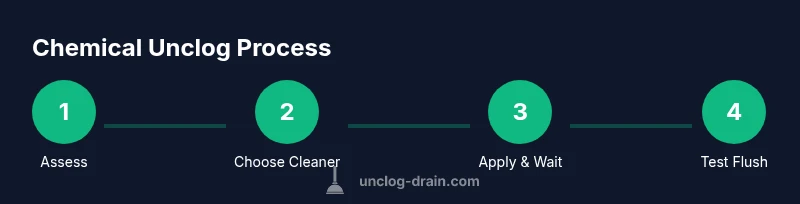
This section provides a high-level overview so you know what to expect when you reach for chemicals. First, identify the clog type (organic buildup vs solid obstruction). Second, choose a compatible cleaner and wear PPE. Third, apply as directed and limit exposure time. Fourth, flush thoroughly to verify improvement. If the clog persists after the recommended wait time, revert to mechanical methods or call a professional. The goal is to minimize chemical usage while achieving a reliable flow. Unclog Drain’s guidance in 2026 stresses careful product selection, avoiding aggressive mixtures, and prioritizing safety above speed.
AUTHORITY SOURCES
For further reading and best practices, consult these reputable sources:
- https://www.epa.gov/saferchoice
- https://www.osha.gov/chemical-safety
- https://www.cpsc.gov/safety-education
Common myths about chemical cleaners and clogs
Myth: Enzymatic cleaners alone will fix everything. Reality: They work best on organic buildup and may not resolve solid objects. Myth: White vinegar and baking soda are always enough. Reality: While helpful for mild maintenance, they’re not a guaranteed fix for stubborn clogs and do not substitute proper cleaning or augering. Myth: All toilet cleaners are septic-safe. Reality: Not all products suit septic systems; enzymatic cleaners are typically gentler on bacteria, but always verify septic compatibility on the label. Myths persist because homeowners want quick results, but responsible use protects your plumbing and environment.
Tools & Materials
- Rubber gloves(Chemical-resistant; nitrile or latex (if compatible with skin) with good grip)
- Safety goggles(Chemical splash protection)
- Face mask or respirator(Optional for strong fumes in poorly ventilated spaces)
- Plunger with flange(Use a high-quality plunger for a tight seal)
- Toilet auger (plumber’s snake)(Long enough to reach the trap and beyond)
- Old towels or rags(For spills and to protect floors)
- Bucket(Contain water and cleaning materials if needed)
- Measuring cup(For accurate dosing when required by label)
- Ventilation aid (window or fan)(Improve air circulation during chemical use)
- Enzymatic drain cleaner (optional)(Safer for septic systems; check label)
- Liquid drain cleaner (optional)(Only if recommended by label; follow instructions)
Steps
Estimated time: 45-90 minutes
- 1
Assess the clog and decide on method
Inspect the toilet and determine if the clog is likely organic buildup or a solid object. If water rises toward the rim, prioritize mechanical methods and avoid triggering a splash or overflow. This helps prevent unintended chemical reactions from aggressive cleaners.
Tip: If unsure, start with a plunger to gauge resistance before applying any chemical product. - 2
Protect yourself and the space
Put on gloves and eye protection. Ventilate the bathroom by opening a window or turning on a fan. Move any nearby items away from the work area to avoid contamination.
Tip: Keep pets and children out of the room during treatment. - 3
Read and choose a suitable cleaner
Select a product that matches the clog type and is septic-safe if applicable. Read the label carefully for dosage, contact time, and safety warnings. Do not mix products with different active ingredients.
Tip: If in doubt about septic compatibility, prefer enzymatic cleaners. - 4
Apply the cleaner per label directions
Pour the recommended amount slowly into the toilet bowl or tank as directed. Avoid overfilling and respect the stated contact time. Do not add water mid-application unless specified.
Tip: Keep the bathroom door closed to prevent accidental spills into other rooms. - 5
Wait the advised time
Let the product sit for the label-specified duration to work on the clog. This can range from 5 to 60 minutes depending on the product and clog type. Do not flush during this period.
Tip: Set a timer to ensure you don’t forget the treatment time. - 6
Flush and test drainage
After the wait time, flush slowly to observe whether the water drains normally. If the water still backs up, do not repeat aggressive chemical use; switch to mechanical methods or repeat only with caution as per label guidance.
Tip: If you see continued drainage issues, stop and re-evaluate to prevent overflow. - 7
Follow up with mechanical methods if needed
If chemicals fail to clear the clog, use a plunger or toilet auger to address residual material. Mechanical methods are often safer than repeated chemical applications.
Tip: Do not mix chemical products during follow-up attempts. - 8
Dispose of residues and clean up
Rinse tools with water and wipe down the area with a disinfectant. Dispose of disposable gloves and towels appropriately. Wash hands thoroughly after completing the task.
Tip: Check your local waste guidelines for proper disposal of chemical cleaners.
Common Questions
Is it safe to use chemical drain cleaners in a toilet with a septic system?
Enzymatic cleaners are generally safer for septic systems, while caustic and acid cleaners can harm bacterial balance and pipe integrity. Always check the label for septic compatibility and, when in doubt, consult a plumber.
Enzymatic cleaners are usually safer for septic systems, but always read the label and avoid aggressive chemicals if you have a septic tank.
Can I mix different cleaners if one doesn’t work?
No. Mixing cleaners—especially bleach with ammonia or acids—can release toxic gases and cause dangerous reactions. Use one product at a time and follow its instructions closely.
Do not mix cleaners. It can create toxic gases; use products one at a time as directed.
What should I do if the toilet overflows during treatment?
Stop applying chemicals, remove excess water if possible, ventilate, and avoid flushing. If overflow continues, call a professional to prevent damage and contamination.
If it overflows, don't flush again and seek professional help if needed.
Are enzymatic cleaners effective for all types of clogs?
Enzymatic cleaners work best on organic buildup but may not clear solid objects. If the clog persists, switch to mechanical methods or consult a pro.
They help with organic buildup, but not guaranteed for solid blockages.
How long should I wait after applying a chemical cleaner?
Follow the product label for the recommended contact time, typically 5–60 minutes. Do not flush until the wait period ends to allow the chemical to work.
Wait the time the label asks, then test by flushing.
What should I do if the clog remains after using a cleaner?
If the clog persists after the advised wait, switch to a mechanical approach or call a plumber. Repeated chemical use can cause more harm than good.
If it doesn’t clear, use a plunger or auger, or call a pro.
Are there safer alternatives to chemical cleaners?
Yes. Mechanical methods (plunger, auger) and enzymatic cleaners designed for septic systems are safer options. They can be effective with less risk to plumbing and the environment.
Mechanical methods and enzymatic cleaners are safer and often effective.
Watch Video
Key Points
- Assess clog type before chemical use
- Prioritize mechanical methods to protect plumbing
- Read labels and never mix cleaners
- Ventilate and wear PPE for safety
- Enzymatic cleaners are often septic-friendly