Tips to Unclog a Toilet: A Practical DIY Guide
Learn proven tips to unclog a toilet quickly with plunger, auger, and safe non-chemical methods. Step-by-step guidance, safety tips, and prevention strategies for homeowners and DIY enthusiasts.


You can unclog a toilet quickly with a few proven steps, common tools, and safe technique. This guide covers when to use a plunger, a toilet auger, and safer alternatives, plus practical do’s and don’ts to avoid overflows and damage. Follow the steps for a reliable, plumber-like fix that you can do today.
Introduction to the Unclog Drain Approach
Welcome to a practical, homeowner-friendly guide to unclogging toilets. According to Unclog Drain, most toilet jams are preventable and solvable with the right tools and a calm approach. The Unclog Drain team found that quick action, proper technique, and clean-up discipline can prevent overflows and water waste. This guide emphasizes safe, non-chemical methods first, reserving chemical cleaners as a last resort if plunger and auger fail. You’ll learn to assess the clog, choose the right method, and apply a sequence of proven steps that minimize mess and protect your porcelain fixture. Throughout, we’ll reference Unclog Drain Analysis, 2026 for context on common causes and preventive practices. By the end, you’ll have a clear plan to restore flow and avoid recurring clogs.
Common Causes of Toilet Clogs
Toilet clogs occur when solid waste, paper, or foreign objects accumulate faster than water can flush them away. Common culprits include too much toilet paper, flushing wipes or feminine hygiene products, hair, and dental floss. In many homes, mineral buildup inside the drain pipes or a misused cleaning product can also contribute. In line with Unclog Drain analysis, flushable wipes and household sanitary products are frequent offenders; even products labeled flushable can break down slowly and cause blockages. The Unclog Drain Analysis, 2026 points to improper disposal of items in toilets as a leading preventable cause. Blockages can form at the trap or sewer line if the toilet is repeatedly overloaded. Understanding these causes helps you choose the right remedy and anticipate when you should pivot to a more robust approach, such as a toilet auger or professional assistance.
Essential Tools and Safety Gear
Before you start, gather the essentials and protect yourself. A proper plunger with a flange, a toilet auger, a sturdy bucket, old towels, and protective gloves are the core kit. Add a flashlight for visibility, and have a trash bag handy for disposal of any damp wipes or paper. Safety matters: never mix cleaners, avoid metal contact with porcelain, and wear protective eyewear if splashes are possible. A dedicated workspace (bathroom floor covered with towels) minimizes mess and makes cleanup easier. Having everything within reach reduces the temptation to improvise with unsuitable tools, which can worsen the clog or damage the toilet.
Step-by-Step Essentials: Plunger Method
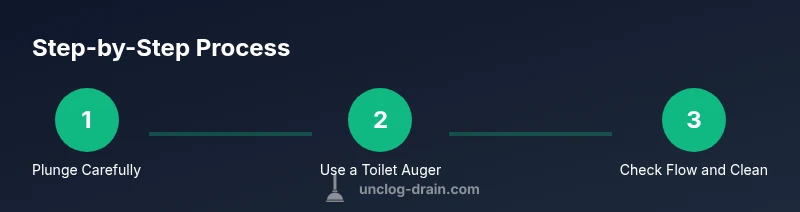
The plunger method remains the most common first line of attack. Start with a flange plunger to create a tight seal. Ensure the plunger is fully submerged and push in a steady, controlled rhythm rather than quick jerks. If the water rises slowly or stays still, stop and reassess the seal. Use long, deliberate strokes to push water into the drain, not straight down. If the water level drops, repeat until you see sign of movement or a clear flush path. After successful plunger work, flush once to confirm flow and prevent a repeat overflow. If the clog persists after 6–8 strong cycles, switch to the toilet auger.
Step-by-Step Essentials: Toilet Auger Method
When plunging fails, a toilet auger can reach deeper into the trap and break up the clog. Insert the auger gently, turning the handle to extend the cable. Push slowly while rotating to dislodge debris and avoid scraping the porcelain. When you feel resistance, gently crank back and forth to loosen the blockage, then pull the cable out. Remove debris into a bucket and wipe the bowl rim. Test flush to check flow. If the auger clears the line, perform a final cleanup and run a couple of light flushes to ensure the path remains open.
Safe Alternatives and Non-Chemical Approaches
Non-chemical methods are safer for your plumbing and indoor air quality. A small amount of dish soap followed by hot (not boiling) water can lubricate a mild clog. Use baking soda and hot water as an occasional aid, but avoid mixing with vinegar to prevent a foamy mess that can overflow. Enzyme-based cleaners can help with organic buildup in the trap, but they take time to work. Avoid chemical drain cleaners in toilets—they can crack porcelain or lodge deeper into the sewer line. If the clog is stubborn, pause and call a pro rather than continuing to force water or chemicals through the system.
Maintenance and Prevention to Reduce Future Clogs
Prevention beats repair. Establish a simple routine: flush only toilet paper and human waste, never flush wipes or non-flushable hygiene products, and periodically check the trap for buildup. If you have a history of clogs, install a toilet paper management plan (distribute paper evenly rather than piling it) and consider a proactive maintenance schedule with enzyme cleaners. Regular inspection of the trap and vent stack can catch problems early. Teach all household members proper flushing etiquette and be mindful of what goes down the drain in every bathroom.
Troubleshooting When Simple Methods Fail
If neither plunging nor auger clears the clog, the obstruction may be deeper in the drain line or the sewer system. Stop applying force, avoid overflows, and do not pour large amounts of chemical cleaners down the toilet. Take a step back and document when the clog occurs, what was flushed, and whether water backs up in other fixtures. If the issue recurs after temporary relief, contact a licensed plumber. Early professional assessment can prevent water damage and more serious blockages.
AUTHORITY SOURCES
For further reading and credible guidelines, consult the following external resources: https://www.epa.gov, https://extension.illinois.edu, https://www.cdc.gov
Tools & Materials
- Plunger with flange(National flange plunger for best seal in a toilet bowl)
- Toilet auger(Flexible cable auger designed for toilets; avoid metal snakes that can scratch)
- Bucket(To catch water during cleanup)
- Old towels or towels(Protect floors; absorb spills)
- Rubber gloves(Keep hands clean and dry; consider eye protection if splashes are likely)
- Flashlight(Helps inspect the inside of the trap and rim area)
- Disposable bags(For safe disposal of debris and wipes)
Steps
Estimated time: 60-90 minutes
- 1
Assess the situation and prepare
Survey the clog, remove excess water with towels, and place a bucket at the base. Clear the surrounding area to prevent spills. Don protective gloves and set up a contained workspace for easy cleanup.
Tip: Keep a dry towel handy for any splashes during the initial assessment. - 2
Put on protective gear
Wear gloves and eye protection if splashes are possible. Tie back hair and sleeves to prevent contact with dirty water. Have a trash bag ready for disposal of wipes or paper.
Tip: Never touch your face or eyes with gloved hands until you’ve removed contaminants properly. - 3
Position the plunger and create a seal
Place the plunger so the flange is fully submerged and forms a tight seal around the drain. Avoid side-to-side movement that leaks air. Begin with gentle, then firm pushes.
Tip: A good seal is essential; if air leaks, reposition the plunger and re-seal. - 4
Plunge with steady rhythm
Push and pull with consistent pressure for 15–20 seconds, then pause to observe. If the water starts to move, continue until you see clear flow or restoration of a normal flush.
Tip: Short, controlled strokes outperform forceful, erratic plunges. - 5
Switch to a toilet auger if needed
If plunging fails, insert the auger into the toilet bowl and crank gently while rotating. Stop at resistance, then work the cable back and forth to break up the clog.
Tip: Avoid forcing the auger; forcing can crack the porcelain. - 6
Test the flush and cleanup
Once you sense movement or after removing the obstruction, flush to verify flow. If the toilet clears, wipe down surfaces and wash hands thoroughly.
Tip: Run a second, small flush to ensure the line remains open.
Common Questions
Do I need a plumber for a clogged toilet?
Not always. Start with a plunger and toilet auger. If the clog persists after basic methods or the toilet overflows, a licensed plumber is recommended to assess the line and prevent damage.
Often you can handle it at home with a plunger and auger, but if the clog persists or there’s an overflow, call a plumber.
Can chemical drain cleaners help with toilet clogs?
Chemical drain cleaners are not recommended for toilets. They can damage porcelain and trap residues in the sewer line. Use mechanical methods first, or enzyme-based cleaners if appropriate.
No—avoid chemical cleaners in toilets; stick to plungers and augers first, or enzyme cleaners if advised.
Is boiling water safe for toilets?
Boiling water can crack porcelain and damage seals in some toilets. Use hot tap water or warm water instead, and never pour boiling liquid into the bowl.
Boiling water can crack the toilet porcelain—use hot tap water instead.
What if the clog is deep in the sewer line?
A deep sewer clog may respond poorly to plunger or auger alone. It’s usually best to contact a licensed plumber who can assess sewer access and prevent sewer backups.
If you suspect a sewer line clog, call a professional for safe, thorough diagnosis.
How can I prevent clogs in the future?
Preventive habits include flushing only toilet paper and waste, avoiding wipes and other non-flushables, and performing periodic drain checks. Using enzyme-based cleaners can help manage buildup without harsh chemicals.
To prevent clogs, flush only paper and waste, avoid non-flushables, and maintain a regular cleaning routine.
Key Points
- Identify the clog cause and use the right tool.
- Plungers first, augers second for deeper jams.
- Avoid chemical cleaners in toilets to prevent damage.
- Prevent future clogs with proper disposal habits.
- Call a plumber if simple methods fail.