How to Unclog a Toilet: A Practical DIY Guide for Homeowners
Learn practical, safe methods to unclog a toilet fast using common tools. This step-by-step guide covers plungers, augers, enzymatic cleaners, and prevention tips for homeowners and DIY enthusiasts.


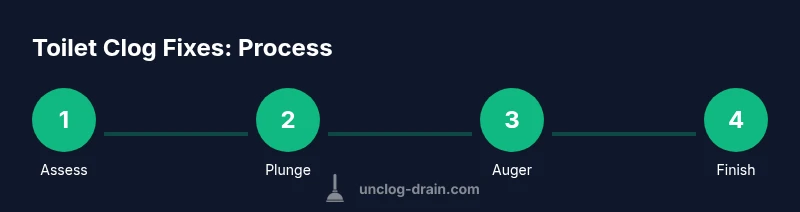
If you need something to unclog a toilet, start with a plunger and create a solid seal, then try a toilet auger if the blockage persists. Avoid mixing cleaners, and work slowly to prevent overflow. This guide shows practical, safe steps homeowners can follow to clear most toilet clogs without calling a plumber.
Understanding Toilet Clogs
Toilet clogs happen when solid waste, toilet paper, or non-flushable materials build up enough resistance to the flow of water. In most homes, a simple clog can form from excessive toilet paper, facial tissues, wipes marketed as flushable, feminine hygiene products, or even stray objects accidentally flushed. According to Unclog Drain analysis, common culprits are items that don’t break down quickly in water, which accumulate in the trap and bend or compress the drain pipe, creating a partial or full blockage. Recognizing why the clog formed helps you choose the right approach without risking damage to the porcelain, seal around the wax ring, or the flange. This knowledge also ties into safety considerations from reputable sources like OSHA and EPA guidance on safe chemical use and household maintenance. If you’re looking for the most effective starting point, your plan should align with the items you flushed and the toilet’s age. In short, understanding the cause is the first step toward a fast, safe resolution. Unclog Drain’s perspective emphasizes mechanical solutions first before turning to chemicals, reducing the risk of damage and expensive repairs.
Before You Start: Safety and Prep
Preparation is essential to avoid splashback, overflow, or slippage. Start by removing any objects that could obstruct access and placing towels or a shallow tray to catch spills. Turn off the water supply to the toilet by rotating the shut-off valve behind the toilet toward you, then flush once to empty the bowl. This step prevents more water from entering the bowl while you work. Put on protective gloves and eye protection if possible, and keep children and pets away from the bathroom during the process. If the water is already near the rim, you can soak up excess water with towels to keep the working area dry. Never mix chemical cleaners with bleach or other household cleaners; this can create toxic gases. A well-lit workspace and a clear plan help you stay in control and reduce mess, especially if you’re new to DIY plumbing. Remember to work slowly and test progress after each major action.
Mechanical First: The Plunger Technique
A proper plunging approach is the most reliable first step for many clogs. Use a flange plunger (the kind designed for toilets) and ensure the plunger’s seal fully covers the drain opening. Submerge the cup completely and push and pull with steady, vigorous pressure. Keep your wrist steady to maintain a seal and avoid tearing the rubber. After 15–20 strong strokes, pause and try flushing slowly to see if the water clears. If water rises and overflows, stop and remove excess water with towels before continuing. Consistent, powerful plunging creates the pressure needed to loosen the clog without damaging the porcelain. If the clog is stubborn, move to the next method rather than forcing the plunger, which can push waste back into the bowl or cause overflow.
When a Plunger Isn’t Enough: Toilet Auger (Snake)
A toilet auger is designed to reach deeper into the drain where a plunger cannot dislodge a stubborn blockage. Extend the auger’s coated tip into the toilet mouth and gently rotate the handle while feeding it into the drain. Stop feeding when you encounter resistance and then retract slowly, pulling the obstruction toward you. Avoid forcing the auger beyond a comfortable point, as excessive pressure can scratch the porcelain or bend the toilet’s internals. Cleaning the auger after use prevents residue from spreading to other surfaces. If you feel a firm snag or resistance you cannot overcome, stop and consider professional help. A properly used auger can clear most toilet clogs without resorting to chemicals.
Safe Chemical Options and Enzymatic Cleaners
Chemical drain cleaners are generally not ideal for toilets because they may cause damage to the wax ring, pipes, or seals and can be hazardous if used improperly. If you choose to use cleaners, opt for enzymatic or bio-enzymatic products that break down waste without harsh caustics. Always read the label, follow the manufacturer’s instructions, and never mix cleaners with other chemicals, particularly bleach. Enzymatic cleaners often require waiting time to break down organic matter, so plan for a longer cure period before flushing. For many homeowners, enzymatic solutions are a safer, greener alternative to chemical drain cleaners and can be part of a maintenance routine to prevent future clogs. This approach aligns with Unclog Drain guidance to prioritize safety and equipment integrity while achieving results.
Non-chemical Approaches and Budget Hacks
Besides plungers and augers, non-chemical fixes can include hot water and dish soap to lubricate the blockage, or a mixture of baking soda and warm water to create agitation within the drain. Avoid boiling water, which can crack porcelain; instead, use hot tap water heated to near boiling on the stove and allow it to cool slightly before pouring. A few towels and a bucket can help manage overflow during the process. Regular maintenance, such as avoiding flushing non-flushable items, is a proven way to prevent clogs and reduce repair costs over time. If you’re dealing with mineral buildup, a small amount of vinegar can help loosen residue, but do not mix with baking soda directly when flushing. The goal is to clear the blockage without damaging the toilet’s internal components.
Maintenance to Prevent Future Clogs
Once you have cleared the clog, take steps to prevent recurrence. Keep a clean plunger near the toilet, use a toilet brush to clean the bowl after each use, and avoid flushing paper towels, wipes, or feminine products. A simple routine—flushing only toilet paper and appropriate waste, inspecting the wax ring area for leaks, and using a drain check routine—can save time and money. Consider adding a floor mat and a couple of towels to make cleanup easier and prevent slips. For households with frequent blockages, a quarterly check of the trap and the vent pipe can help identify issues before they become full-blown clogs. Proactive maintenance is the best defense against unexpected toilet problems.
When to Call a Pro
If the clog persists after trying multiple approaches for 60 minutes or more, or if you notice repeated blockages in multiple fixtures, it’s time to call a licensed plumber. Persistent clogs may indicate more serious issues like a blocked sewer line, tree root intrusion, or venting problems. The cost of professional service will depend on the severity of the clog and local rates, but early intervention can prevent more expensive repairs later. The Unclog Drain team recommends evaluating the situation carefully and opting for professional help when safety concerns arise or when public-health risk becomes apparent.
Common Mistakes to Avoid
Common errors include using excessive force on the plunger, which can break the toilet or cause backsplash; mixing household cleaners, which can create dangerous fumes; and attempting to unblock aggressively without turning off the water supply. Rushing through steps is another frequent mistake—pausing to test progress helps prevent overflow and reduces the likelihood of making the problem worse. Finally, neglecting to inspect the waste line after a successful flush can leave minor obstructions that re-form. By avoiding these mistakes, you’ll have a safer, more effective approach to unclogging a toilet.
Tools & Materials
- Plunger (flange-type for toilets)(Choose a plung er with a long flange for a tight seal; ensure it’s clean and flexible.)
- Toilet auger (toilet snake)(Prefer a model with a protective boot to prevent scratches.)
- Heavy-duty rubber gloves(Protect hands from waste and cleaning chemicals.)
- Buckets, towels, and a wet-dry vacuum (optional)(To manage overflow and keep the area dry.)
- Dish soap or mild liquid soap(Lubricates the plumbing and helps penetration for the auger.)
- Warm water (not boiling)(Helpful for non-chemical methods; pour slowly to avoid splashing.)
- Enzymatic drain cleaner (optional)(A gentler alternative when chemical cleaners aren’t preferred.)
- Protective eyewear (optional)(Useful if splashing is possible.)
Steps
Estimated time: 40-60 minutes
- 1
Assess and prep
Inspect the bowl and verify the type of blockage. Clear the area and set towels to absorb water. If the bowl is already full, remove excess water with a cup or sponge before starting.
Tip: Having a plan reduces mess; know which tool to use first. - 2
Shut off water and protect the area
Turn the toilet’s shut-off valve to stop water flow. Place towels around the base and prepare your tools within reach to minimize trips.
Tip: Shutting water off prevents overflow during plunging. - 3
Position the plunger for a seal
Place the plunger over the drain hole with a tight seal and keep it completely submerged. Use firm, controlled pushes to create pressure.
Tip: A good seal matters more than brute force. - 4
Plunge in short, measured bursts
Push and pull in a steady rhythm for 15–20 cycles, keeping the seal intact. Pause to check if the water level drops.
Tip: Don’t break the seal—resist the urge to pry it loose. - 5
Try the toilet auger if needed
Insert the auger carefully into the drain and twist while feeding the coil forward. Stop when resistance is met, then slowly retract the coil.
Tip: Go slowly to avoid scratching porcelain or bending components. - 6
Rinse and evaluate
Flush the toilet to test for clearance. If the flush doesn’t clear, repeat plunging or try the auger again with a different angle.
Tip: A second attempt is common before escalation. - 7
Consider enzymatic cleaners as a last option
If the clog persists, enzymatic cleaners can help break down organic matter without harsh chemicals. Follow the label directions and allow time for action.
Tip: Do not mix cleaners with bleach or other products. - 8
Clean up and restore protection
Dispose of used towels and rinse tools with clean water. Sanitize the area and wash hands thoroughly after handling waste.
Tip: Sanitation matters; wash hands immediately after finishing.
Common Questions
What is the best method to unclog a toilet for a beginner?
For beginners, start with a flange plunger to create a strong seal. If that fails, use a toilet auger to reach deeper into the drain. Avoid chemical cleaners as a first resort and test progress after each step.
Begin with a plunger, then try a toilet auger if needed. Avoid chemicals as the first fix and test after each step.
Are chemical drain cleaners safe for toilets?
Chemical cleaners can damage wax seals and pipes; enzymatic cleaners are a safer alternative. Always follow the label and never mix cleaners with bleach.
Chemicals can harm seals; enzymatic cleaners are safer. Read the instructions and don't mix with bleach.
How long does a typical toilet unclog take?
Most moderate clogs resolve within 30 to 60 minutes when using mechanical methods. Some stubborn clogs may require a second attempt or a professional evaluation.
Most clogs resolve in under an hour with plungers or augers; some may need more work or a pro.
Can I use hot water to help unclog a toilet?
Warm water can help, but avoid boiling water as it can crack the porcelain. Use hot tap water or warm water mixed with a bit of dish soap to help lubricate the blockage.
Warm water can help; don’t use boiling water. Mix with soap to lubricate and flush gently.
What should I do if the toilet overflows?
Stop flushing, turn off the water supply, and soak up water with towels. If overflow continues, evacuate and call a plumber. Do not attempt aggressive plunging during an overflow.
Stop the water, soak up water, and call a plumber if it keeps overflowing.
How can I prevent future clogs?
Flush only toilet paper and waste, use a toilet plunger for routine maintenance, and install a simple screen or hair catcher to minimize solids reaching the drain.
Flush only toilet paper and waste, avoid flushable wipes, and maintain with a plunger nearby.
Key Points
- Start with a proper plunger seal for best results
- Reserve the auger for stubborn clogs beyond plunging reach
- Avoid chemical cleaners in toilets to protect the wax ring
- Enzymatic cleaners are safer alternatives when used correctly
- Prevention is the best cure: don’t flush non-flushables