How to Unclog a Toilet: A Practical DIY Guide
Learn safe, step-by-step methods to unclog a toilet using a plunger, toilet auger, and sensible cleaners. Includes prep, prevention, and troubleshooting for common clogs.


To deal with a blocked toilet fast, follow a proven sequence: assess the clog, choose the right method, and work calmly. Start with a proper plunger, then try a toilet auger if the plunger fails, and use cleaners only as needed. This guide uses a clear, step-by-step approach to get you back to a flush.
The What and Why of Toilet Clogs
Toilet clogs are a common household nuisance, and understanding their causes helps you pick the right remedy. According to Unclog Drain, most clogs start with paper, wipes, or mineral buildup that slows flow and traps waste. The historical question sometimes heard in forums—what was to unclog a toilet—has evolved into a practical sequence: assess the severity, choose a method, and act carefully. By identifying whether the blockage is partial or complete, you can tailor your approach to avoid splashback and damage. This section covers why clogs form, how to recognize signs of a backup, and why rushing to strong chemical cleaners can worsen the problem. Safety, patience, and the right tools are essential, especially if you have a septic system, an older home, or multiple fixtures on the same line.
Essential Tools and Prep
Before you begin, gather the tools and clear the area. A well-prepared workspace reduces mess and speeds up the process. The Unclog Drain team recommends starting with a clean, dry space, protective gloves, and towels to catch splashes. Place a bucket under the toilet to catch overflow, and have a flashlight handy if lighting is poor. Keep a trash bag ready for disposable wipes or foreign objects. Avoid mixing chemicals; plan to use a plunger, then a toilet auger if needed. If you’re on a septic system, limit the use of cleaners and water to prevent disruption. This prep will reduce the risk of spills and protect your plumbing while you work.
Method Overview: Plunger, Auger, and Cleaners
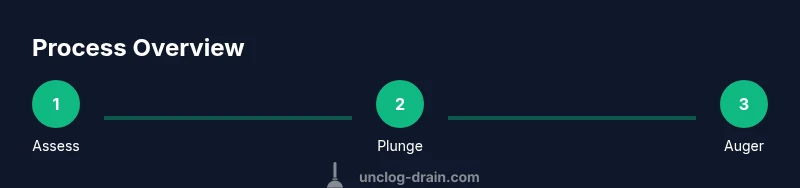
A reliable unclogging plan typically starts with the plunger, followed by an auger if necessary, and uses cleaners sparingly. Plungers create hydraulic pressure to dislodge the obstruction, while a toilet auger can reach deeper into the trap to break or pull the clog free. Enzymatic cleaners or clear-release solutions should be reserved for maintenance rather than urgent failures, as they take time and may not work on solid blockages. This overview helps you decide quickly which tool to deploy based on water level, flush response, and odor cues. Remember, patient, repeated attempts often succeed where one hard push fails.
The Plunger Technique: Maximize suction and seal
A proper plunger technique hinges on a tight seal and controlled strokes. Push down firmly to push air and create pressure, then pull up without breaking the seal to pull the clog away. Maintain an upright posture to avoid back strain, and keep the plunger fully submerged for maximum efficiency. If the water level is low, add a small amount of water to cover the plunger cup so it seals correctly. Avoid using excessive force, which can crack the toilet or cause overflow. This step-by-step method minimizes splashback and increases your chances of a successful reset.
When to Use a Toilet Auger and How
If plunging fails after several determined attempts, a toilet auger is your next option. Insert the flexible snake into the drain and gently rotate while pushing forward to dislodge or hook the clog. Take your time; rushing can wrap the cable on itself or jam the mechanism. If resistance increases, back off slightly and reattempt with slow, steady turns. Once the clog clears, slowly retract the auger while flushing to ensure the pipe remains clear. This approach works well for fiber-heavy, compacted waste or objects that a plunger cannot move.
Safe Cleaning Solutions and When Not to Use Them
Chemical cleaners can help with organic buildup but should be used cautiously. Enzymatic products are gentler and work over time, while caustic or acidic cleaners can damage pipes, seals, or septic systems if misused. Never mix cleaners with bleach, ammonia, or other household chemicals, as dangerous fumes can form. If you choose to flush with cleaners after dislodging the clog, run plenty of plain water to dilute and flush residual product. Use cleaners only as a supplemental step after mechanical methods have been attempted.
Post-Clog Care and Prevention
Once the toilet is flowing again, flush several times with plain water to clear the line and rinse the bowl. Clean the bowl and exterior with a mild disinfectant, and inspect the trap for unusual debris that may indicate recurring issues. To prevent future clogs, avoid flushing non-degradable wipes, feminine hygiene products, or excessive toilet paper. Consider routine maintenance: monthly enzyme cleaners, periodic toilet checks, and a simple drain-checklist to catch early signs of trouble before a full blockage occurs.
Common Mistakes and Troubleshooting
Common mistakes include mixing cleaners, using a metal object, or applying excessive force with a plunger. If the toilet still won’t clear after Auger attempts, back away, re-evaluate the blockage, and consider a call to a professional plumber. Overflow risk is real, so prepare towels and a bucket, and remain patient. If you notice recurring backups across multiple fixtures, the issue may lie in the main sewer line rather than a single toilet.
Tools & Materials
- Plunger (flange/bellows type)(Ensure a tight seal over the drain opening; use a flange plunger for toilets.)
- Toilet auger (drain snake)(30-inch flexible cable with a curved head; avoid longer cables that can damage the toilet.)
- Rubber gloves(Protect hands from splashes and waste.)
- Bucket(Catch overflow and spare water during the process.)
- Old towels or rags(Absorb spills and prevent floor staining.)
- Flashlight(Useful if bathroom lighting is dim.)
- Dish soap (optional)(A small amount can help lubricate plunging; not needed for every job.)
- Enzymatic cleaner (optional)(For maintenance; avoid heavy use during an active clog.)
Steps
Estimated time: Estimated total time: 30-60 minutes
- 1
Prep and safety
Clear the area, put on gloves, and place towels to catch spills. Make sure you have a bucket and a flashlight handy. This reduces mess and protects you during the process.
Tip: Safety first: never skip gloves or an eye shield if you’re worried about splashes. - 2
Assess the clog
Observe the water level and how the toilet flushes. If water rises quickly, do not flush again—this can cause overflow. If it seems partial, you may be able to clear it with plunging.
Tip: A calm approach prevents messy overflows and gives you a clear plan. - 3
Seal with the plunger
Place the plunger to seal the drain, ensuring full coverage. Add water if needed to cover the cup. A proper seal maximizes suction.
Tip: Keep the seal tight and straight to avoid air leaks. - 4
Plunge with controlled effort
Push and pull with steady pressure, not brute force. Alternate 15–20 seconds of plunging with short rests. Watch for rising water and plan your next move.
Tip: Consistency beats raw force for best results. - 5
Evaluate results
If water clears and toilet flushes, repeat once more if needed. If the clog persists, prepare to use the auger.
Tip: Don’t rush; give the system a moment to respond. - 6
Use the auger if needed
Gently feed the auger into the drain while turning clockwise. When you feel resistance, rotate and push a little farther, then retract slowly.
Tip: Avoid forcing the cable; slight resistance is normal. - 7
Test flush and clean up
Flush with plenty of clean water to ensure the line is clear. Wipe surfaces, rinse tools, and let the bathroom dry.
Tip: Finish with thorough cleaning to prevent lingering smells. - 8
Prevent future clogs
Establish a simple toilet-use policy: flush only appropriate items and be mindful of paper density. Regular maintenance reduces repeats.
Tip: Consider monthly enzyme cleaner as a preventive step.
Common Questions
What is the safest method to unclog a toilet?
Start with a plunger and use a toilet auger only if plunging fails. Avoid harsh chemicals as the first line of attack. If the clog remains after these steps, consider calling a plumber.
The safest first step is a proper plunger, then a toilet auger if needed.
Can I use chemical drain cleaners to unclog a toilet?
Chemical cleaners can be harsh and may damage pipes or septic systems if misused. They should be used with caution and as a last resort after mechanical methods have been attempted.
Chemicals should be a last resort after plunging and using an auger.
What should I do if the toilet overflows after plunging?
If overflow occurs, stop, remove the tank lid, and bail out excess water with a cup or sponge. Wait for water to subside before continuing with other methods.
If it overflows, pause, remove the lid, and manage the water safely before trying again.
Is a plumber needed for stubborn clogs?
If multiple attempts with a plunger and auger fail, or if the clog recurs across fixtures, a licensed plumber can diagnose main line issues and provide professional solutions.
If several attempts fail, consulting a plumber is a wise move.
How can I prevent clogs in the future?
Flush only toilet paper and waste. Avoid wipes and non-flushable items. Regular maintenance and mindful toilet usage reduce future clogs.
Prevent clogs by flushing responsibly and performing simple monthly care.
Do I need a toilet auger if the plunger works sometimes?
If plunging sometimes frees the blockage but the issue recurs, an auger can reach deeper into the trap. Use it when plunging alone isn’t consistently effective.
An auger is a good next step if plunging isn’t reliable.
Key Points
- Start with a proper plunger seal and controlled plunging
- Move to a toilet auger only if plunging fails
- Avoid mixing cleaners with other chemicals
- Prevent future clogs with mindful toilet practices