How to Unclog a Toilet: Safe DIY Guide for Homeowners 2026
A practical, step-by-step DIY guide to unclog a toilet using plunger and toilet auger methods. Learn safety, supplies, and prevention tips from Unclog Drain to fix clogs fast and safely in 2026.


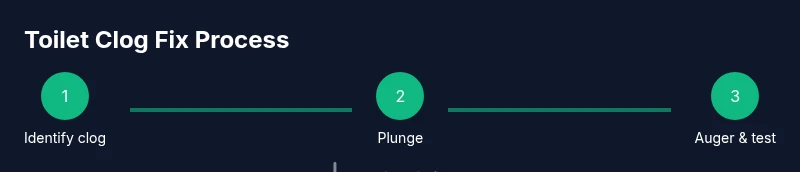
You can unclog a toilet safely using a flange plunger and a toilet auger, with basic tools and careful technique. Begin with plunging, then move to the auger if needed, and avoid chemical cleaners in toilets. According to Unclog Drain, mechanical methods work best first, minimizing mess and damage. This quick approach gets you back to normal quickly.
What causes toilet clogs and when DIY helps
Toilet clogs happen when waste and toilet paper accumulate faster than the drain can handle, or when non-flushable items slip past the bowl’s rim. In many homes, hair, wipes, paper towels, and even too much toilet paper contribute to blockages. Chemical cleaners may seem tempting, but they rarely solve stubborn clogs and can damage the porcelain or septic system. The good news is that most clogs originate from the combination of everyday use and a partial obstruction; with the right approach, you can restore flow without professional help.
According to Unclog Drain, the most effective DIY fixes start with mechanical methods before moving to more involved tools. Visual inspection matters too: look for visible gunk near the rim and check whether the water in the bowl rises when you apply pressure—signs that the clog is near the trap. If the water remains still or rises with pressure, you might be dealing with a deeper obstruction or a sewer-line issue.
home depot unclog toilet: Supplies and safety
Before you begin, assemble the essential tools and keep the area clean. A flange plunger provides a strong seal and is your first line of attack, followed by a toilet auger for deeper blockages. Wear rubber gloves to protect your hands and place towels or a bucket nearby to catch splashes. If you’re shopping for supplies, you’ll often find these items at a home improvement retailer like Home Depot; this article uses the phrase home depot unclog toilet to reflect common DIY language. For safety, never mix chemical drain cleaners with plungers or augers, and never pour liquids into a toilet that’s clearly overflowing. Work in a well-ventilated area and maintain a dry, protected floor.
Plunging correctly: a fast path to relief
Position the flange plunger directly over the drain opening and ensure a tight seal. Push and pull with steady, confident pressure, keeping the plunger aligned to avoid splashback. Do not use a flat plunger; the flange inside the tube helps generate the suction needed to break up the blockage. After 15–30 seconds of sustained pumping, lift the plunger and see if the water drains. If the water level drops, repeat once or twice; if not, move to the toilet auger. Plunging is usually the quickest fix and avoids mess when done properly.
Using a toilet auger: reach deeper, reduce mess
An auger is a flexible snake designed for toilets. Remove the protective cover, insert the tip into the drain, and crank the handle to extend the cable. When you feel resistance, gently push and rotate to break up the clog. Do not force the cable; if you meet stubborn resistance, step back and try a different angle. Once you feel the obstruction loosen, retract the cable slowly and test flush. Clean up with a disinfectant wipe.
Testing and flushing after clearing the clog
After performing plunging or auger work, test the toilet by slowly flushing once or twice. Watch for a return to normal water flow and listen for any gurgling sounds from the drain line. If the bowl drains quickly and stays clear, you’ve likely cleared the blockage. If the water remains high or feedback indicates a partial clog, repeat the plunge or auger steps, or consider inspecting the vent pipe for blockages that can affect drainage.
Prevention and maintenance to avoid recurring clogs
To minimize future clogs, practice regular maintenance and mindful flushing habits. Flush only toilet paper and human waste; avoid flushing wipes, pads, or wipes labeled flushable, which can accumulate in pipes over time. Consider a once-a-month flush with a modest amount of water to keep the trap active, especially in low-flow toilets. Keep hair, grease, and oil out of drains by using strainers in sinks and shower drains, and store a plunger in an easily accessible location for quick action.
Quick tips for common scenarios
- If the toilet is overflowing, turn off the water supply valve first to prevent a flood, then use towels to contain the spill.
- For stubborn clogs, switch from plunging to using a toilet auger rather than applying chemical cleaners.
- If you doubt your setup or the clog recurs, it’s time to call a licensed plumber to inspect the sewer line.
Tools & Materials
- Flange plunger(With a rubber bell-shaped cup and a flange for a secure seal)
- Toilet auger (closet auger)(3-4 ft flexible snake with protective guard)
- Rubber gloves(Nitrile or latex; should be intact)
- Bucket or towels for cleanup(Catch drips and protect floors; optional but recommended)
Steps
Estimated time: 30-60 minutes
- 1
Gather tools and prep area
Lay towels, put on gloves, and clear the floor. Place a bucket within reach and open a window to vent odors. This reduces mess and keeps the workspace safe.
Tip: Have everything ready before you start to avoid scrambling mid-work. - 2
Assess clog and choose method
Observe the water level in the bowl and check for overflow. Decide whether to start with plunging or move to the auger if the clog seems deeper or if plunging fails.
Tip: If the water is near the rim, proceed with caution to avoid splashing. - 3
Use flange plunger correctly
Place the flange over the drain, ensure a tight seal, and pump with steady rhythm. Maintain alignment to minimize splashback and maximize suction.
Tip: Seal beats strength; a poor seal reduces effectiveness. - 4
Operate the toilet auger
Insert the cable into the drain, crank slowly, and rotate to break up the clog. Stop if you feel excessive resistance and back off slightly.
Tip: Don’t force the cable; forcing can damage the porcelain or pipe. - 5
Test flush and re-evaluate
Retract the auger, flush briefly, and observe water flow. If the bowl drains cleanly, you’re done; if not, repeat or switch techniques.
Tip: Avoid multiple forceful flushes that could overflow. - 6
Clean up and sanitize
Rinse tools with water, wipe surfaces with disinfectant, and wash hands thoroughly. Store tools in a dry location for next time.
Tip: Sanitizing reduces odor and prevents cross-contamination.
Common Questions
What is the quickest way to unclog a toilet?
Start with a flange plunger and use steady pressure; if that doesn’t clear the clog, switch to a toilet auger. Avoid chemical cleaners in toilets.
Start with a flange plunger, apply steady pressure, then move to a toilet auger if needed. Avoid chemical cleaners.
Can I use chemical drain cleaners on a toilet?
Most toilets should not be treated with chemical cleaners; they can damage porcelain and septic systems and cause fumes.
Chemicals can harm the toilet and pipes; mechanical methods are safer.
How long does plunging take to work?
Plunging typically works within a few minutes. If there’s no improvement after a minute or two, try the auger or reassess the clog’s depth.
Usually a few minutes; if it doesn’t clear, switch methods.
When should I call a plumber?
If repeated attempts fail, the clog recurs, or you suspect sewer line or vent problems, call a licensed plumber.
If it keeps happening or you suspect a sewer issue, a pro is needed.
Is it safe to use a toilet auger myself?
Yes, when used correctly. Follow the manufacturer instructions and avoid forcing the cable through resistance.
Yes, if you’re careful and follow directions.
How can I prevent clogs in the future?
Flush only toilet paper and waste. Avoid wipes and other nonflushables, and consider routine checks and proper drain maintenance.
Stick to toilet paper and waste; avoid wipes to prevent future clogs.
Watch Video
Key Points
- Plunge first for quick relief.
- Move to the auger if plunging fails.
- Avoid chemical cleaners in toilets.
- Sanitize tools after use to prevent odors.
- Call a plumber if clogs recur.