Liquid to Unclog Toilet: Safe DIY Guide
Learn how to use a liquid to unclog toilet safely, choose the right cleaner, follow safety steps, and know when to switch to mechanical methods for persistent clogs.


Learn how to safely use a liquid to unclog toilet and restore flow without damaging your pipes. This guide covers when liquids help, which solutions to choose (chemical vs. enzyme-based vs. natural), proper pouring and dwell times, safety steps, and when to switch to mechanical methods. — including using caution with septic systems and avoiding mixing cleaners.
What a liquid to unclog toilet does
A liquid to unclog toilet is a treatment designed to dissolve or move the blockage by altering the chemistry in the toilet bowl and trap. The product sits in contact with the clog, allowing the solution to attack organic buildup or mineral deposits. Not all clogs are the same; some are solids that liquids cannot dissolve, and plumbing design can influence how quickly a liquid performs. When used correctly, liquids can restore flow in many partial clogs, particularly those caused by organic matter or paper buildup. The key is to understand that a liquid is not a magic wand—it works best when the clog is manageable and the pipes are in good condition. According to Unclog Drain, the best outcomes come from selecting a toilet-specific product, following the label exactly, and avoiding mixing cleaners, which can create dangerous fumes or harmful reactions. If used improperly, liquids can cause pipe damage or slow drainage by creating further blockages downstream.
Types of liquids you might consider
When choosing a liquid to unclog toilet, you have several broad categories. Chemical drain cleaners are the most common; they rely on strong active ingredients to break down organic matter and soap scum. Enzyme-based liquids are gentler and designed to digest organic waste over time, which can be kinder to pipes and septic systems but may require longer dwell times. Some home remedies use natural acids like vinegar, or bicarbonate-based formulations, but these options tend to be less aggressive and may not handle stubborn blockages. The crucial rule is to pick a product labeled for toilets and to read the label for dosages and dwell times. Do not mix products, and never combine a cleaner with a plunger or mechanical device while the liquid is present—this can trigger dangerous reactions. There is no universal solution; the right choice depends on the nature of the clog and the plumbing setup.
When liquids work best and when they don’t
Liquid-based unclogging works well for partial clogs caused by organic buildup, towels or toilet paper that has started to compact, and mineral deposits in older systems. They won’t fix a solid object stuck in the trap, a fully blocked drain, or clogs caused by a collapsed pipe or a severely bent sewer line. In those cases, you’ll need mechanical methods or professional help. The success often hinges on contact time: letting the product dwell long enough for chemistry to act, and ensuring the bowl and trap are filled for adequate contact. Remember that the product’s label is the source of truth for dwell time and compatibility with septic systems.
Safety and precautions before you pour
Before you pour, ensure the bathroom is well ventilated, remove children and pets, and put on protective gloves and safety glasses. Read the product label to know the exact amount to use, the dwell time, and any warnings about mixing with other cleaners. Do not mix cleaners with other household products, especially bleach or ammonia, as dangerous fumes can form. Keep a bucket and towels handy to catch splashes, and have a plan to neutralize or contain any spills. If you have a septic system, consider choosing products that are labeled safe for septic tanks and avoid frequent heavy dosing, as excess chemical use can affect microbial balance. According to Unclog Drain, following these precautions reduces the risk of splash exposure and chemical reactions.
Practical use: how to apply and dwell
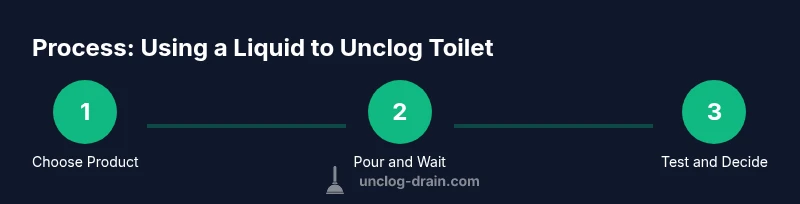
Pour the product slowly into the toilet bowl, keeping the nozzle away from your skin; aim for the bowl's deepest area for better contact with the clog. Replace the lid to reduce splashes if needed. Wait the recommended dwell time on the label, typically 15–30 minutes for enzymes, longer for stronger chemicals. Do not flush during this period. After the dwell time, flush slowly and observe whether the water level drops or the flow returns. If the water remains stagnant, proceed to the next method.
Common mistakes and how to avoid them
Mistakes include using the wrong product for a toilet, ignoring dwell times, mixing cleaners, or attempting multiple chemical doses in quick succession. Never pour a second product on top of the first while it’s still active, and never flush aggressively during the dwell time. Also, avoid relying on liquids for solid obstructions or severely blocked drains. By understanding the product’s limitations and following instructions, you reduce the risk of damage and keep plumbing safer.
Alternatives and follow-up actions if liquids fail
If a liquid fails to clear the clog, switch to mechanical methods such as plunging or using a closet auger. These tools physically dislodge or pull the blockage, often delivering quicker results for stubborn clogs. If mechanical methods fail or you suspect a more serious problem (a collapsed pipe or main sewer backup), contact a licensed plumber. Always avoid repeating aggressive chemical dosing, which can wear pipes and harm septic systems over time.
Environmental and septic considerations
Enzyme-based liquids are generally gentler on septic systems and plumbing, but even they should be used sparingly and according to label directions. Harsh caustic cleaners can disrupt the microbial balance in septic tanks and may cause long-term problems if overused. If you’re on a septic system, choose cleaners labeled safe for septic use and consider staggered treatments rather than frequent dosing. Proper disposal of leftover product is also important: never dump large quantities into the yard or storm drains. These considerations help protect local waterways and your home's drainage ecosystem.
Next steps and quick guard rails
Always have a plan B for persistent clogs: mechanical clearing tools and professional help. Keep a log of what products you used and when, in case you need to explain to a plumber or septic service. The goal is to restore flow without creating new problems, so move carefully and avoid over-treating the system. If you suspect a septic failure or recurring clogs, the Unclog Drain team recommends scheduling a quick homeowner drainage check to prevent bigger issues later.
Tools & Materials
- Liquid toilet clog remover (toilet-specific cleaner)(Follow label instructions for amount, dwell time, and safety warnings.)
- Protective gloves (nitrile)(Chemical-resistant; choose size that fits comfortably.)
- Safety glasses(Eye protection against splashes.)
- Ventilation option (window/exhaust fan)(Keep air moving to minimize fumes.)
- Measuring cup or disposable cup(Accurate pour according to label.)
- Old towels or absorbent cloths(Contain spills and drips.)
- Plunger (for backup)(Use only if liquid treatment is not clearing the clog.)
- Plastic container or tray(Contain product when pouring to avoid spills.)
Steps
Estimated time: 45-75 minutes
- 1
Check label and product suitability
Review the label to confirm toilet suitability, septic compatibility, dosage, and dwell time. Ensure the product is intended for toilets and that you understand the warnings.
Tip: If you’re unsure about septic impact, consult the label or manufacturer support before proceeding. - 2
Put on PPE
Wear nitrile gloves and safety glasses to protect skin and eyes from splashes. Keep sleeves rolled up and avoid touching your face during handling.
Tip: Nitrile gloves with chemical resistance offer better protection for caustic cleaners. - 3
Ventilate the bathroom
Open a window or run an exhaust fan to disperse fumes. Good ventilation reduces inhalation risk during dwell time.
Tip: If you’re sensitive to fumes, consider temporarily moving to another bathroom. - 4
Pour product into the bowl
Pour the recommended amount slowly into the toilet bowl, aiming for the center of the trap for best contact with the clog. Avoid splashing.
Tip: Keep the container at arm’s length and pour gently to minimize splashes. - 5
Wait the prescribed dwell time
Let the cleaner work for the label’s recommended time; typically 15–30 minutes for enzymes and longer for stronger chemicals. Do not flush during this period.
Tip: Set a timer to avoid over-waiting or under-waiting. - 6
Test with a cautious flush
Gently flush and observe whether water clears and the clog moves. If the flow returns, you’re done; otherwise consider the next step.
Tip: Use a small flush first to avoid overflow. - 7
Decide next steps if needed
If the clog persists, don’t repeat excessive chemical dosing. Switch to mechanical clearing (plunger or auger) or contact a plumber.
Tip: Never mix multiple chemical cleaners in the same toilet.
Common Questions
Can I use any liquid to unclog a toilet?
Not all liquids are safe for toilets. Use toilet-specific cleaners and avoid general household products. Always read the label before use.
Only use toilet-specific liquids and follow the label for safety and effectiveness.
Will these liquids damage my septic system?
Enzyme-based cleaners are typically gentler on septic systems, but harsh chemicals can disrupt the microbial balance. Use septic-safe products when possible.
Enzymes are gentler on septic systems, but avoid overuse of harsh cleaners.
What should I do if the liquid doesn’t clear the clog?
If the clog remains after the indicated dwell time, stop using that product and switch to mechanical methods like plunging or snaking, or call a plumber.
If it doesn’t clear, try mechanical methods or seek professional help.
Is it safe to mix liquids with other cleaners?
Mixing cleaners is dangerous. Never mix bleach with ammonia or other cleaners; follow label warnings to avoid toxic fumes.
Never mix cleaners; it can create toxic fumes.
Are enzyme-based liquids safer than chemical ones?
Enzyme-based liquids are often gentler and better for septic systems, but they may require longer dwell times to work.
Enzymes are gentler but slower; consider septic safety and dwell time.
How long should I wait after applying a liquid?
Follow the label's guidance. Waiting times typically range from 15 to 30 minutes for enzymes, longer for stronger cleaners.
Wait the label time before flushing.
Key Points
- Read label before pouring.
- Ventilate and wear PPE.
- Wait the prescribed dwell time.
- Test with a cautious flush.
- If unresolved, switch to plunging or snaking.