What Are Ways to Unclog a Toilet: A Practical DIY Guide
Learn practical, safe methods to unclog a toilet without harsh chemicals. This Unclog Drain guide covers plunging, augers, and prevention tips for homeowners.


You will learn safe, proven methods to unclog a toilet using common tools, starting with plunging and, if needed, a toilet auger. We’ll cover safety, step-by-step actions, and prevention to keep toilets flowing smoothly—without relying on harsh chemical cleaners.
What causes clogs and what are ways to unclog a toilet
If you're asking what are ways to unclog a toilet, you’re not alone. Most clogs occur from excessive toilet paper, non-flushable objects, or mineral buildup in the trap. In this guide, we break down reliable, homeowner-friendly methods and explain when a different approach might be needed. According to Unclog Drain, starting with non-chemical methods is safer and often effective for common residential clogs. We’ll explore why the toilet’s design matters, how to assess the blockage, and how to pick the right tool for the job.
A clear plan helps you act calmly and avoid overflows. Before you begin any intervention, ensure you understand the symptoms (is water backing up, is the bowl draining slowly, or is there a complete blockage?). With the right approach, you can restore normal flushing without professional intervention in most everyday situations.
Safety, prep, and setting expectations
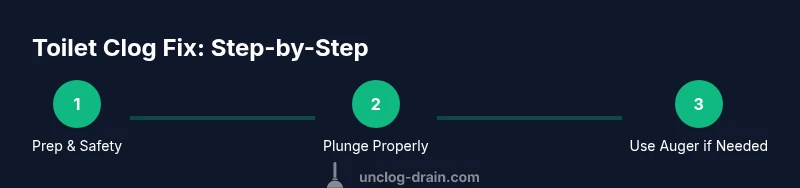
Safety comes first. Put on rubber gloves, protect the floor with towels, and keep a bucket handy for overflow water. Turn off the shut-off valve behind the toilet to minimize the risk of a sudden surge when you begin. If the water level is high, you may need to bail water with a cup or sponge. Set expectations: many clogs resolve with a plunger or auger, but some stubborn blockages require professional help to avoid damage.
A calm, methodical approach reduces mess and increases your chances of success. Remember that aggressive tools or chemical cleaners can damage seals or pipes, and mixing cleaners can create hazardous fumes. This is where the right technique and the right tool matter most.
The plunger method: your first line of defense
A flange plunger creates the best seal for a toilet. Place the plunger so the flange is inside the drain, then push and pull with steady, full strokes for 15-20 seconds. Keep the suction consistent; if air leaks, reposition and reseal. After several cycles, pause to check whether the water level drops.
If it begins to clear, repeat the process a few more times, then flush to test. If the water still won’t drain, move to a secondary method like an auger. This step-by-step rhythm minimizes splash and maximizes suction, making the plunger a surprisingly effective tool for most moderate clogs.
Using a toilet auger (snake) for stubborn blockages
A toilet auger is designed to navigate the curved trap and reach deeper obstructions. Insert the end into the toilet, turn the handle clockwise to extend the cable, and gently push while rotating. When you feel resistance, pull back slightly and reorient before continuing.
Withdraw the cable slowly to avoid pushing material further into the drain, then test by flushing. If you still have a blockage, you may repeat with careful pressure or switch back to a plunger. A toilet auger is especially helpful when the clog sits beyond the trap or is caused by paper buildup beyond typical reach.
When to try alternative approaches (soap and hot water, baking soda, etc.)
If plunging and snaking don’t resolve the issue, you can try a safe, non-chemical approach. Squirt a small amount of dish soap around the drain to lubricate the blockage, then add hot (not boiling) water from a height to generate pressure. Let it sit for a few minutes and then attempt to flush again.
Another method—baking soda followed by vinegar—can create fizz that helps loosen the clog. Pour 1/2 cup baking soda, then 1 cup vinegar, wait 15 minutes, then flush with hot water. Avoid mixing these with commercial cleaners. These home remedies are not guaranteed, but they’re worth attempting before calling a plumber.
When DIY isn’t enough: knowing your limits
If the toilet continues to back up after multiple attempts, the clog may be deeper in the drain line or connected to a sewer issue. Stop repeated plunging if you notice gurgling in other drains or a sewage odor. In such cases, calling a licensed plumber is the safest option to prevent pipe damage or septic system problems.
Document the steps you’ve taken and the results. This helps the professional diagnose the issue quickly and reduces the chance of repeating ineffective methods.
Preventing future clogs: simple habits and maintenance
Prevention is cheaper and easier than remediation. Use only appropriate toilet paper and avoid flushing wipes, sanitary products, or excessive paper. Regularly inspect the drain area for signs of developing buildup and consider a monthly plunger check during heavy use periods. If you have a septic system, schedule routine septic maintenance and avoid flushing solvents or greases.
Establish a quick maintenance routine that includes a yearly check on the trap and venting, and train household members on what should and should not be flushed. A proactive approach keeps toilets flowing smoothly and reduces the likelihood of future emergencies.
Clean-up, sanitation, and storage of tools
Once the blockage is resolved, thoroughly clean the tools you used and sanitize the area. Rinse the plunger with hot water, wipe down the toilet exterior, and wash your hands with soap and water. Dry towels can be laundered or disposed of; do not reuse contaminated rags without washing.
Store your plunger and auger in a dry area away from children and pets. Keeping tools organized reduces the chance of accidental misuse and helps you prepare for the next clog without hunting for gear.
Quick troubleshooting checklist and common mistakes to avoid
Before calling a professional, run this quick checklist: Is the water supply valve on and fully open? Did you use the correct plunger style? Are you sure the auger was used with proper technique? Avoid forcing metal tools into the porcelain, and never mix chemical cleaners. A calm, patient approach reduces damage risk and increases the odds of a successful DIY fix.
Tools & Materials
- Flange toilet plunger(Choose a flange-style plunger for a better seal in the toilet bowl.)
- Toilet auger (toilet snake)(Opt for a model with a curved guide that fits the toilet trap.)
- Rubber gloves(Waterproof gloves to protect skin from waste.)
- Bucket(For catching overflow water during initial steps.)
- Old towels or absorbent rags(Protect floors and absorb spills.)
- Dish soap(Optional lubricant for the drain. Avoid mixing with other cleaners.)
- Hot water (not boiling)(Helpful with soap or soap-based mixtures.)
- Flashlight(Better visibility in the bowl during inspection.)
Steps
Estimated time: 40-60 minutes
- 1
Turn off the water supply
Locate the shut-off valve behind the toilet and turn it clockwise until it stops. This reduces the risk of overflow when you begin working. If the valve is stiff, apply gentle turning force and avoid forcing it, which could cause damage.
Tip: If you can’t turn the valve, stop and call a professional to avoid a flood. - 2
Clear the area and prep your workspace
Bail out excess water with a small cup into a bucket or toilet tank, then lay towels around the base. Wear gloves and keep the bucket and tools within reach to minimize movement.
Tip: Keep one hand on the plunger at all times when using it to maintain position. - 3
Try the flange plunger method
Seal the plunger over the drain opening and pump with steady, vertical strokes for 15-20 seconds. Pause to check for drainage and repeat if necessary. If there is no improvement, proceed to the auger.
Tip: Ensure a tight seal; air leaks dramatically reduce suction. - 4
Use the toilet auger if needed
Insert the auger tip into the bowl and gently twist the handle clockwise while advancing. Stop if you feel resistance, then retract slightly and repeat with a different angle.
Tip: Go slow to avoid scratching the porcelain or pushing the clog deeper. - 5
Safe alternative: soap and hot water
Pour a small amount of dish soap around the drain and add hot water from a height to generate pressure. Wait a few minutes and then try a gentle flush.
Tip: Do not use boiling water as it can crack porcelain and damage seals. - 6
Test the flush and reassess
Flush once or twice to gauge whether the clog has moved. If the water drains slowly or returns, repeat the plunger or auger steps before escalating.
Tip: Avoid continuing after the water starts to surge; stop and reattempt later. - 7
Clean up and sanitize
Disinfect the bowl rim, exterior, and surrounding surfaces. Wash hands thoroughly after handling any contaminated materials.
Tip: Dispose of used towels and gloves safely, and sanitize tools before storage. - 8
Decide next steps if it’s still blocked
If the toilet remains clogged after a couple of attempts, it may be a deeper sewer line issue. Plan to contact a licensed plumber for evaluation.
Tip: Document steps taken; this helps the pro diagnose quickly. - 9
Prevent future clogs with smart habits
Implement simple prevention: don’t flush non-flushables, use adequate toilet paper, and consider a yearly inspection of vents and traps. Small changes reduce clog risk substantially.
Tip: Set a household flushing policy and educate family members.
Common Questions
Is it safe to flush after plunging multiple times?
Flushing after repeated plunging is fine if the water level has dropped and the blockage is clearing. If the toilet still backs up or overflows, stop and reassess to avoid a flood.
Yes, but only when the blockage seems to be clearing and the water is draining.
What if plunging doesn’t work?
If plunging fails, try a toilet auger to reach deeper obstructions. Use slow, steady motion and avoid forcing the tool.
If plunging doesn’t work, try the auger and proceed carefully.
Can chemical drain cleaners be used safely on toilets?
Most chemical cleaners are not recommended for toilets because they can damage seals and pipes and may be hazardous in septic systems. Use mechanical methods first.
Avoid chemical cleaners; use plungers or augers first.
When should I call a plumber?
Call a plumber if you have multiple toilets backing up, sewage smells, or if the blockage recurs after several attempts. It may indicate a bigger sewer issue.
Call a professional if other drains share the problem or you notice sewage odors.
How can I prevent future clogs?
Flushing only toilet paper, avoiding wipes, and performing regular maintenance helps reduce clogs. Consider annual checks of traps and vents for best results.
Sticking to a simple maintenance routine keeps toilets flowing smoothly.
What tools are essential for basic unclogging?
A flange plunger, a toilet auger, gloves, a bucket, and towels cover the essentials for most DIY clogs.
Keep a plunger and auger handy for quick relief.
Watch Video
Key Points
- Identify the clog cause before acting
- Start with safe, non-chemical methods
- Use a flange plunger for best results
- If DIY fails, call a professional
- Prevent future clogs with routine maintenance