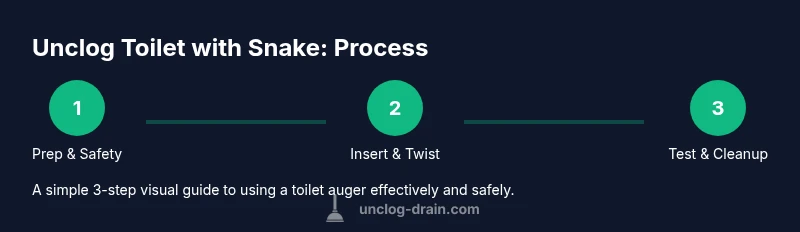
How to Unclog a Toilet with a Snake: A Step-by-Step Guide
Learn how to safely unclog a toilet with a snake (toilet auger). This step-by-step guide covers tool selection, preparation, technique, safety, and troubleshooting for common clogs.


Goal: You’ll learn how to safely unclog a toilet with a snake (toilet auger) using the right tool, protective gear, and proven steps. You’ll know when to use the auger, how to insert and operate it, and how to test the flush afterward. This guide also covers safety, common mistakes, and what to do if the clog persists.
What it means to unclog a toilet with a snake
Dealing with a stubborn toilet clog is a common home repair that many homeowners can handle with the right tool and approach. If you’re facing a stubborn blockage, learning how to unclog toilet with snake is a practical skill that saves time and money. A toilet auger, sometimes called a toilet snake, is designed to reach the trap and the drain line where hair, tissue, and other debris accumulate. By carefully guiding the cable and applying gentle twists, you can break up the clog or hook onto it for extraction. The Unclog Drain team emphasizes that preparation and patience are essential to prevent damage to porcelain and internal seals. In this guide, you’ll learn how to choose the right snake, set up your workspace, and execute a safe, repeatable method that works for most household clogs. We’ll also cover safe handling, hygiene practices, and how to assess whether the clog is resolved or if professional help is needed. The goal is to empower you to fix minor clogs quickly and confidently, while avoiding risky shortcuts that can lead to bigger problems later.
When to use a toilet snake vs other methods
A toilet snake is a practical tool when a plunger alone cannot move the blockage or when there is a suspicion of a solid or compacted material in the trap. It’s particularly effective for clogs caused by toilet paper buildup, hair in bathroom drains, or objects that have fallen into the bowl. If water drains slowly or remains standing after multiple plunges, a snake is worth trying before more invasive methods. Keep in mind that chemical drain cleaners can create gas or harmful reactions and should generally be avoided before snaking. For stubborn clogs, a plumber may offer specialized tools, but many homeowners find success with a well-used auger. Remember to work calmly and methodically, which reduces the chance of splashing and damage. The Unclog Drain analysis highlights that a methodical approach with the right tool is often effective for many residential clogs.
Choosing the right toilet snake and accessories
Toilet snakes come in different lengths and configurations. For most toilets, a 3-to-4 foot auger with a protective shield around the drum is sufficient. Shorter models are easier to control, while longer ones let you reach deeper into the trap. Look for flexible, corrosion-resistant cables and a comfortable, grip-friendly handle. A shaft shield helps prevent the cable from slipping and protects the toilet surface. Accessories such as cleaning brushes, a small bucket, towels, and a flashlight improve visibility and hygiene. If your toilet has a capped clean-out or an unusual configuration, you may need a specialized tool. Avoid using metal parts that can scratch porcelain, and always check the product’s documentation for proper use. The key is selecting a tool you can control with steady hands and minimal force. The Unclog Drain team suggests prioritizing safety and control over speed when selecting your auger.
Safety and preparation before snaking
Safety comes first. Start by turning off the shut-off valve behind the toilet to stop fresh water from entering the bowl, then flush to remove as much water as possible. Place several old towels or a waterproof mat around the base, and set a bucket nearby to catch any splashes. Put on rubber gloves and, if possible, safety glasses to shield your eyes. Remove any small items from the floor area to avoid tripping, and ventilate the bathroom if you’re using cleaning products later. Read the auger’s instruction manual before use and inspect the cable for kinks or corrosion. If you feel resistance, pause to reassess your angle; forcing the tool can bend the toilet flange or crack the porcelain. By preparing properly, you protect yourself and your bathroom and set the stage for a smoother unclogging process.
Common mistakes to avoid
Rushing the process often leads to damage or a bigger mess. Pushing too hard or twisting aggressively can crack the porcelain or pull the inner seals. Using chemical drain cleaners before snaking can cause dangerous splashes or create a sticky buildup that complicates the auger. Not examining the trapped material after removal can leave a remaining blockage unseen, causing recurring clogs. Failing to wear protective gear increases the risk of exposure to sewage and bacteria. Finally, neglecting to disinfect tools and surfaces after the job can spread germs. The best practice is slow, deliberate movements, careful observation, and thorough cleanup after the pull.
What to expect after unclogging
Once you feel the flow returning, flush the toilet several times to confirm the clog is fully cleared and the water level stabilizes. If the water still backs up, repeat the snaking steps or consider alternate methods such as a plunger with a long handle. After confirming clearance, turn the water supply back on, slowly, and watch for leaks. Clean and sanitize the auger, gloves, towels, and any surfaces you touched. If you had to dislodge a particularly stubborn obstruction, you might want to monitor for recurring clog patterns—sometimes the problem is rooted in the line beyond the trap. The Unclog Drain team notes that most domestic clogs respond well to careful snaking, and professional assistance remains available for difficult cases.
Tools & Materials
- Toilet auger (toilet snake)(3-4 ft length is typical; choose rigid shaft with a protective shield)
- Rubber gloves(Long cuff; provide grip and protection)
- Old towels or rags(Protect floor from water; have enough to cover area)
- Bucket(To catch water and debris during removal)
- Flashlight(Bright light to inspect the trap)
- Pliers or slip-joint pliers(Optional for snagging debris near the bowl rim)
Steps
Estimated time: 30-60 minutes
- 1
Shut off the water and prep the area
Begin by closing the toilet shut-off valve to stop fresh water from entering the bowl. Then flush once to remove as much water as possible. Lay down towels, place a bucket within reach, and gather your auger and gloves.
Tip: Having towels and a bucket ready prevents splashes and keeps the work area clean. - 2
Position yourself and set up
Stand with stable footing, face the base of the toilet, and ensure you have clear access to the bowl. Put on gloves and protective eyewear if available. Confirm that nearby outlets or electronics are away from water.
Tip: Keep a calm stance; steady hands reduce the risk of slipping and damaging the porcelain. - 3
Insert the auger into the bowl
Insert the auger’s tip into the toilet bowl and gently guide the cable toward the drain. Push a few inches at a time while keeping the handle perpendicular to the bowl.
Tip: Start with a shallow angle to avoid bending the fixture; progress slowly. - 4
Rotate and advance until you feel resistance
Turn the handle to rotate the auger and slowly advance it toward the clog. When you meet resistance, pause briefly, then try a slightly different angle.
Tip: Do not force the cable through; resistance means you’re near or contacting the clog. - 5
Break up or retrieve the clog
Continue twisting and pushing until you sense the obstruction fragments or until you can pull the debris into the bowl. If you pull back on the auger, bring the cable out gradually to minimize splashing.
Tip: If the blockage won’t budge after several attempts, stop and reassess rather than forcing more pressure. - 6
Retract and remove debris
Slowly retract the auger, cleaning off any debris that clings to the cable into the bucket. Inspect the tip for wrapped material and remove it with gloved hands if needed.
Tip: Keep the bucket handy to catch debris for easy disposal. - 7
Test the flush and repeat if necessary
Pour a small amount of water into the bowl and flush to test clearance. If the water backs up, repeat the snaking motion or try a gentle plunging approach. Avoid running harsh chemical cleaners at this stage.
Tip: Multiple small tests beat one big, messy failure; confirm flow before finishing. - 8
Clean up and sanitize
Rinse and disinfect the auger, then wash hands and surfaces thoroughly. Dry the area and store tools properly. Dispose of used towels and any waste according to local guidelines.
Tip: Sanitize all touched surfaces and tools to prevent the spread of germs.
Common Questions
What is a toilet snake and how does it work?
A toilet snake is a long, flexible coil designed to reach the trap and break up or retrieve clogs inside the drain. It is inserted into the bowl and rotated to advance toward the blockage.
A toilet snake is a flexible coil used to reach clogs; you insert, rotate, and push gently to break up the blockage.
Is it safe to use a snake on all toilets?
For most household toilets, a properly used toilet auger is safe. Avoid forcing the cable, and inspect the toilet for any existing cracks or damage before starting.
It's generally safe if used correctly, but don’t force the cable and check for any existing cracks first.
What if the clog returns after using the snake?
If the clog recurs, reassess the drain line and consider repeating the snaking process or trying a plunger with a long handle. If issues persist, a professional inspection may be necessary.
If it comes back, try again carefully or call a plumber if it keeps happening.
Can I use chemical drain cleaners before using a snake?
Chemicals can splash and damage seals or mix poorly with the auger. It’s best to avoid them before attempting snaking and use a mechanical method first.
Avoid chemical cleaners before snaking; they can cause splashes and damage seals.
How long should I rotate or push the auger during use?
Rotate and advance in short, steady motions. If you meet resistance, pause, adjust angle, and try again in small increments to minimize damage.
Keep movements steady and short; don’t rush when you meet resistance.
Should I hire a plumber if the clog is not cleared?
If repeated attempts fail or you notice leaks, unusual noises, or persistent backups, it’s wise to contact a licensed plumber for a professional assessment.
If it doesn’t clear after a few tries or you see leaks, call a plumber.
Watch Video
Key Points
- Gather tools before starting and set a work area.
- Use a toilet auger with proper technique to avoid damage.
- Test flush after each attempt and avoid chemical cleaners first.
- Clean and sanitize tools and surfaces after completing the job.