How to Use a Plumber Snake for Toilet Clogs: A DIY Guide
Step-by-step instructions to unclog a toilet using a plumber snake. Learn selecting the right auger, safe use, and maintenance tips to prevent future clogs.


This guide shows you how to unclog a toilet with a plumber snake, when to use it, and safety tips. You’ll learn selecting the right snake, basic prep, step-by-step insertion, rotating the handle, and tests to confirm the clog is cleared. This approach minimizes mess and reduces the need for costly service calls.
What is a plumber snake for toilets?
A plumber snake, or toilet auger, is a flexible steel cable housed in a hand-crank reel used to break up or hook clogs in toilets. For homeowners, it's a practical, affordable first-line tool that can clear many bathroom blockages without chemical cleaners. Understanding how the auger interacts with the toilet trap helps you use it safely and effectively. The core idea is to extend the cable into the drain, knock the clog loose, and pull debris back out with minimal mess. As the Unclog Drain team notes, proper technique reduces the chance of damaging the porcelain or the seals and increases the odds of a successful clear on the first try.
Safety first when unclogging a toilet
Before you begin, put safety first. Wear gloves and eye protection; never handle the auger or dirty water with bare hands. Always work in a well-lit area and keep children and pets away. If you notice cracks in the porcelain or leaks from the supply line, stop and seek professional help. The Unclog Drain team emphasizes safety as the foundation of any successful DIY plumbing task, especially when working around water and rigid metal tools.
When to reach for a toilet auger
Use a plumber snake when plunging fails or when you suspect a clog deeper in the drain beyond the trap. Avoid chemical drain cleaners in toilets; they can damage seals and pipes and may not reach the clog. Unclog Drain analysis shows that a well-chosen auger resolves many blockages without professional service, particularly when the clog is organic or hair-based and located beyond the immediate toilet trap.
Types of toilet snakes and how to choose
There are manual crank augers and more advanced models with a longer, stiff cable and flexible head. For most residential toilets, a 3- to 6-foot auger provides enough reach to clear the trap and adjacent piping without excessive force. When choosing, look for a smooth crank action, a durable cable, and a reinforced head that won’t kink easily. If you share the bathroom with others, consider a compact design to minimize storage space and improve maneuverability.
Preparing your workspace and tools
Set up a protected workspace with towels, a bucket, and a flashlight. Put on rubber gloves and safety glasses, and place a disposable cloth or rag over the drain opening to catch splash. Have your toilet auger ready, along with a pair of pliers (optional for disconnecting the supply if needed), a small spray bottle of cleaning solution, and a method to sanitize your tool afterward. Clear the area of any items that could be damaged by water and debris.
Step-by-step approach (overview)
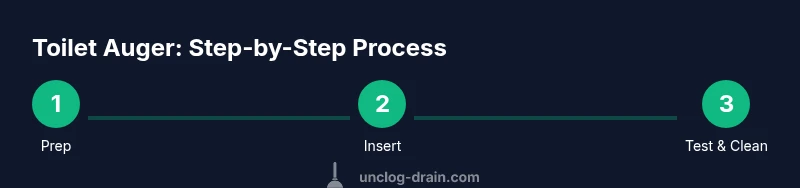
The following steps outline the actions you will perform to use a toilet snake. They are designed to be methodical rather than rushed to minimize splash and damage. For exact, step-by-step actions, refer to the dedicated Step-by-Step section in this guide. A calm, measured rhythm is your best ally when dealing with a stubborn clog and a long auger.
Practical tips for common clogs
Hair, toilet paper, and wipes are common culprits. If you see a visible clog near the rim, it may respond quickly to gentle probing with the auger head. Avoid forcing the cable through a hard obstruction, as this can bend the head or crack the bowl. Patience and steady hands yield the best results and reduce cleanup time.
Cleaning and sanitizing after use
After completing the task, unlock and wipe down the auger head with a disinfectant, then rinse the cable with clean water. Clean and sanitize gloves, any towels used, and the bucket. Store the auger in a dry place away from moisture to prevent rust. Proper sanitation protects your family and keeps tools ready for the next DIY project.
Preventing future clogs
Regular maintenance reduces the likelihood of clogs. Run hot water with dish soap down the drain periodically, avoid flushing non-flushable items, and inspect the toilet’s P-trap for signs of buildup. A quick at-home inspection can catch issues before they become a blockage.
Quick troubleshooting if it doesn’t work
If the auger doesn’t move past the initial resistance, back out slowly, re-align the cable, and try again with a slightly different angle. Do not force the tool; excessive force can crack the porcelain or damage internal components. If repeated attempts fail, it may be time to call a professional plumber.
Expert advice from Unclog Drain
The Unclog Drain team recommends treating a stubborn toilet clog as a signal to review technique and tool choice. If you have repeated clogs, consider maintenance checks for the main sewer line or a potential blockage beyond the sewer lateral. In many cases, a professional assessment prevents more costly repairs later.
Tools & Materials
- Toilet auger (plumber snake)(3-4 ft length minimum; crank-style preferred for better leverage)
- Protective gloves(Nitrile or latex-free if allergies)
- Safety glasses(Prevent splash hits to eyes)
- Bucket(To catch water and debris)
- Old towels or rags(Contain splashes and protect flooring)
- Flashlight(Illumination for clear visibility)
- Pliers (optional)(For disconnecting the supply line if needed)
- Cleaning spray or disinfectant(Sanitize tools and area after use)
Steps
Estimated time: 60-90 minutes
- 1
Turn off water and drain the bowl
Locate the shut-off valve behind the toilet and turn it clockwise to stop water flow. Then flush to drain as much water from the bowl as possible. This step reduces the risk of overflow while you work.
Tip: Have towels at the ready to catch splashes and prevent a mess. - 2
Put on protective gear
Wear gloves and safety glasses before handling the auger. This protects your hands and eyes from debris and splash.
Tip: Keep a spare pair of gloves nearby in case of perforation. - 3
Insert auger into the drain
Insert the auger head into the toilet drain opening and begin feeding the cable slowly toward the blockage. Keep the cable aligned with the drain to avoid binding on the porcelain.
Tip: Do not force the tip through a hard obstruction; if you meet resistance, back off slightly and realign. - 4
Crank and rotate to break up the clog
Crank the handle while gently rotating the auger. Feel for run-throughs or a change in resistance as you work around the bend.
Tip: Use smooth, steady rotations rather than quick jerks to minimize splashing. - 5
Extend beyond the bend and engage the clog
Continue feeding the cable past the S-bend so the auger can reach deeper into the drain, where many clogs reside.
Tip: If you lose tension, retract slightly and refeed to avoid tangling. - 6
Retract and pull out debris
Slowly retract the auger, pulling any loosened debris back toward the bowl. Inspect the tip for pulled material before removing the tool.
Tip: Wipe the tip with a cloth during withdrawal to reduce spatter. - 7
Test by flushing
Flush the toilet to test if the flow has improved. If the water still drains slowly, repeat steps 3–6 once or twice.
Tip: If the water remains slow, pause and reassess alignment before continuing. - 8
Clean and sanitize the tool
Rinse the auger with clean water and spray with disinfectant before storage. Wipe down the area you worked in.
Tip: Dry the cable completely to prevent rust. - 9
If the clog persists, consider alternatives
If repeated attempts fail, avoid excessive force and try a different method such as a plunger or professional help. Some clogs are beyond a DIY auger reach.
Tip: Chemicals should be avoided in toilets; they can damage seals and pipes. - 10
Reconnect water and perform a final test
Turn the water supply back on and flush several times to ensure full restoration of flow and no leaks around the supply line.
Tip: Look for leaks or damp spots around the base after reconnecting. - 11
Store tools and note maintenance
Dry and store the auger in a dry place. Record any maintenance notes so you’re prepared for future use.
Tip: Regularly inspect the cable for kinks and replace if damaged.
Common Questions
What is a toilet snake and how does it work?
A toilet snake, or toilet auger, is a flexible cable that extends into the drain to physically break up or hook a clog. By rotating the crank, you guide the head past the obstruction and pull debris back out. It’s a mechanical method that avoids chemical cleaners.
A toilet auger is a flexible cable used to push through a clog by turning the crank and pulling debris out.
When should I use a toilet auger instead of chemicals?
Use a toilet auger when plunging fails or when the clog is deep in the drain. Chemical cleaners can damage seals and pipes, and may not reach the clog. An auger offers a direct mechanical method with fewer hazards.
Use an auger when plunging fails or the clog is deep; chemicals can harm seals and pipes, and might not reach the clog.
How long should a toilet auger be?
For most homes, a 3- to 6-foot auger provides adequate reach to clear typical toilet clogs. Longer cables are useful for frequent clogs or multi-bathroom setups, but can be harder to manage.
A 3 to 6 foot auger covers most clogs; longer cables are for larger setups or stubborn blockages.
Can a toilet snake scratch porcelain?
If used incorrectly, the head or cable can contact the porcelain and cause scratches. Always feed slowly, keep the tip centered, and avoid forcing the cable.
Yes, improper use can scratch porcelain; feed slowly and don’t force the cable.
What are the risks of using a toilet auger?
The main risks are porcelain cracks, leaks from the supply line, and pushing the clog deeper if not used correctly. Follow safety steps, and stop if you see any damage or leaks.
Risks include cracks, leaks, or pushing the clog further if misused. Stop if you see damage.
What should I do if the clog returns after using the snake?
If clogs recur, perform a quick diagnostic of the main drain and main sewer line. A recurring clog may indicate a larger issue that requires professional evaluation.
If it comes back, check the main drain and consider a pro if it repeats.
Watch Video
Key Points
- Identify the right auger length before starting
- Use a calm, methodical approach to avoid splashes
- Test by flushing and repeat if necessary
- Clean and sanitize after use to prevent contamination
- If still clogged after multiple attempts, call a pro