Snake Toilet Plunger: Safe, Step-by-Step Unclog Guide
Learn how to unclog toilets using a snake toilet plunger with a safe, step-by-step method. Tools, safety tips, maintenance, and when to call a pro, from Unclog Drain.


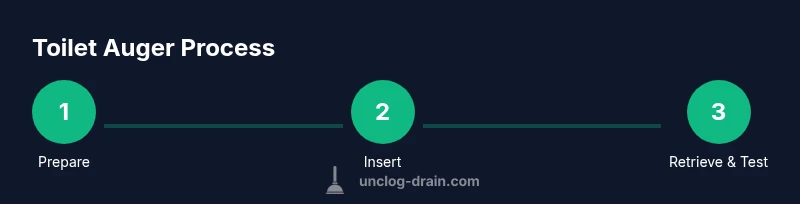
With a snake toilet plunger, you can clear stubborn clogs without harsh chemicals. You’ll need a closet auger (toilet snake), a bucket, rubber gloves, and a towel. Remove standing water from the bowl, insert the snake into the drain, and rotate as you push gently. When you feel resistance, pull back slightly, then push forward again to break up the blockage. Rinse, flush, and sanitize the bowl.
Why a snake toilet plunger is a practical first choice
Toilet clogs happen. A snake toilet plunger, also known as a closet auger, is a practical first option because it's designed to reach deep into the toilet trap without scratching the porcelain. Unlike chemical cleaners, a mechanical approach reduces exposure to fumes and avoids harming septic systems. According to Unclog Drain, starting with a toilet auger minimizes the risk of overflow and splashback that can occur with aggressive plunging or chemical drain cleaners. A snake is reusable, compact, and affordable, making it a staple for DIY enthusiasts.
When choosing a model, consider length, rigidity, and tip style. Shorter units are easier to handle for standard toilets; longer ones reach deeper blockages. The key is a flexible inner cable that can navigate the curve of the drain while you apply steady pressure and rotation. With patience and care, you typically restore flow without disassembling the toilet.
Types and sizing: choosing the right toilet auger
Toilet augers come in several forms. A flexible steel or coiled steel cable with a protective sheath protects the porcelain; plastic models may be lighter but less robust. The main choices are manual, hand-crank augers vs flexible cable winder. For most homes, a 3- to 6-foot auger is sufficient for typical toilets. In homes with deep traps or low-flow systems, a longer model provides extra reach. When selecting a tip, a curved, spoon-shaped scoop or a bullet head helps grab and break debris. Make sure the unit includes a hand crank or a rotary handle so you can apply consistent torque. If you share a single bathroom with others, consider a dual housing mechanism to keep the auger clean and dry between uses.
How a snake works: mechanics and safe handling
Snakes use a stiff, rotating wire that mechanically breaks up clogs rather than dissolving them with chemicals. In a toilet, you insert the retracted head into the drain, feed the cable with measured turns, and rotate as you push forward to navigate the bend. As the tip makes contact with the blockage, the rotation helps to shear or break up the material. Safety matters: never force the cable beyond resistance, and keep the auger tip aligned with the drain to avoid scratching the bowl. When you feel the clog release, slowly retrieve the cable while maintaining gentle tension to prevent a re-tie of the blockage. After removal, flush the toilet to test the outcome and clean the bowl to remove any loosened debris.
Common mistakes and how to avoid them
Common mistakes include overwinding, forcing the cable, or ignoring safety. Too much force can crack the ceramic or damage the trap seal. Not keeping the work area clean can lead to more mess. Always start with a clear area and a dry floor to prevent slips. If you sense the auger is binding, pause, re-secure, and reattempt rather than forcing through the resistance. Keeping gloves, a towel, and a bucket nearby reduces risk and helps you manage debris without splashing.
Maintenance and safety: keep your plumbing healthy
After use, rinse the auger with warm water and a mild disinfectant to remove debris and prevent rust or corrosion. Dry thoroughly before storing in a dry area to prevent mold growth. Inspect the cable for any kinks or fraying; replace if compromised. Store the tool in its original container or a dedicated toolbox to avoid contamination of other household items. Regularly wipe down the exterior of the toilet and surrounding area to prevent residue buildup that can complicate future clogs.
Quick comparison: snake vs chemical cleaners
Chemical cleaners can dissolve some clogs quickly, but they may harm septic systems and damage rubber seals over time. A snake provides a mechanical solution that is reusable and less harsh on plumbing. While a chemical approach may be convenient for minor slow drains, a toilet auger often resolves deeper blockages where chemicals struggle. In many cases, combining mechanical clearing with a rinse can restore flow without resorting to caustic products.
Troubleshooting scenarios
If the toilet remains slow after one pass, reattempt with a measured feed and gentle rotation, ensuring the tip remains in the drain path. If you hear a gurgle but no flow, there might be a blockage further down the line or a trapped air pocket; consider repeating with a fresh approach or using a second pass on a different angle. For repeated clogs, inspect the trap and vent system for other issues, which may require professional attention.
Tools & Materials
- Toilet auger (snake/closet auger)(Length typically 3–6 feet; choose a model with a protective sheath to prevent bowl scratches)
- Bucket(To catch any splashed water during work)
- Rubber gloves(Long cuff for protection; optional: safety glasses)
- Old towels or rags(Place around the base to catch drips)
- Flashlight or headlamp(Helpful for visibility under the bowl rim)
- Utility scissors or pliers(For trimming the auger if needed)
- Disinfectant and paper towels(Clean tools and area after use)
Steps
Estimated time: 20-40 minutes
- 1
Prepare and protect
Put on rubber gloves and safety glasses. Place towels around the base and set the bucket nearby. Clear the area so you can work without distractions, and remove as much water as possible from the bowl to reduce splash risk.
Tip: Wear eye protection and use a separate rag to avoid transferring debris to other surfaces. - 2
Position the auger and feed
Insert the auger head into the toilet bowl and guide the cable toward the drain. Slowly turn the handle to feed the cable; keep the auger at a slight angle to align with the drain opening.
Tip: Maintain gentle, steady pressure; abrupt twists can kink the cable or scratch the porcelain. - 3
Advance to resistance
Continue feeding until you feel resistance from the clog. Do not push harder than necessary; the resistance is where the blockage sits.
Tip: If you reach a hard stop, back off slightly and try a different angle before resuming forward motion. - 4
Break up the blockage
Rotate the handle while applying light forward pressure to break up debris. Small, controlled movements are more effective than brute force.
Tip: Think of it as gentle sawing action rather than forcing straight through. - 5
Retract and inspect
Slowly retract the auger, watching for debris on the cable. Remove visible material and wipe the cable clean as you withdraw.
Tip: Keep the cable straight to prevent snagging on the rim or trap components. - 6
Test and sanitize
Flush the toilet to test flow. If water still backs up, repeat the process once more. Afterward, disinfect the area and clean the auger before storage.
Tip: Run a quick rinse with hot water and a mild cleaner to prevent odor buildup.
Common Questions
What exactly is a snake toilet plunger?
A snake toilet plunger, or closet auger, is a hand-cranked tool with a flexible cable designed to navigate the toilet trap and break up clogs. It provides a mechanical clearing method that avoids harsh chemicals.
A toilet auger is a flexible cable tool that clears clogs by mechanical action, not chemicals.
Can I use a regular plunger instead of a toilet auger?
A traditional plunger can help with surface-level clogs but is less effective for deep toilet blockages. A toilet auger reaches past the trap and bends, which makes it better for stubborn clogs.
A regular plunger is not ideal for deep clogs; an auger works better for toilet blockages.
What should I do if the clog remains after using the snake?
If the clog persists after one pass, wait a few minutes, then reattempt with a fresh feed and slightly different angle. If it still won’t clear after two attempts, stop and seek professional help to avoid damage.
If it doesn't clear after a couple of attempts, consider calling a plumber.
Is using a snake safe for septic systems?
Using a toilet auger is generally safe for septic systems because it uses mechanical action rather than harsh chemicals that can disrupt beneficial bacteria.
Yes, it’s typically septic-safe since it avoids chemical cleaners.
How long does it take to unclog a toilet with a snake?
Most clogs clear within 15 to 40 minutes, depending on the blockage and toilet design. For stubborn clogs, a second attempt may be necessary.
Most clogs clear in under an hour, sometimes faster.
How do I clean and store the auger after use?
Rinse the auger with warm water, disinfect, and dry thoroughly before storing in a dry place. Inspect for kinks or wear and replace if damaged.
Rinse and disinfect the tool, dry it, then store it in a dry spot.
Watch Video
Key Points
- Choose a toilet auger that fits your toilet and reach.
- Feed and rotate gradually; avoid forcing the cable.
- Inspect and disinfect tools after use.
- Test flush after each clearing attempt.
- If persistent, consider professional help.