How to Use a Toilet Snake to Unclog a Toilet
Learn how to safely use a toilet snake (auger) to clear a stubborn toilet clog with expert guidance from Unclog Drain. This comprehensive guide covers safety, technique, troubleshooting, and prevention for DIY homeowners.


You can unclog a toilet using a toilet snake (auger) by carefully inserting it into the drain, rotating to break the blockage, and pulling out the debris. Wear gloves, keep the toilet water level controlled, and avoid forcing the tool. This approach works best for moderate clogs caused by toilet paper or small obstructions. The guide covers safety, technique, and cleanup.
Assessing the situation
Clogs in toilets come from a variety of causes—excess toilet paper, foreign objects, or buildup in the trap. A toilet snake (also called a toilet auger) is designed to reach the bend in the drain and break up or retrieve the obstruction. According to Unclog Drain, using a toilet auger is the most reliable DIY option for typical bathroom clogs when plunging alone doesn’t clear the blockage. It’s not a universal fix, however; if you notice sewage backup, a strong odor, or signs of a broken toilet, stop and seek professional help. In those cases, attempting to force the tool could worsen the problem or cause damage. Collectively, this article will walk you through safe usage, setup, and aftercare so you can decide when to press ahead or call a plumber.
Choosing the right snake (toilet auger) vs other methods
A toilet auger is specifically engineered to navigate the toilet’s S-trap and reach clogs that a standard bathroom auger might miss. When compared with a plunger, the auger applies direct mechanical force to the blockage and can pull debris back toward the bowl rather than pushing it deeper. The auger typically features a long, flexible coil with a protective shaft and a curved head designed for toilets. If the auger cannot advance or if the blockage resists rotation, you may be dealing with a more complex issue that requires professional assessment. Unclog Drain emphasizes choosing a model with a vinyl-coated or corrosion-resistant coil to minimize scratches on porcelain and to ease cleaning after use.
Preparing safely
Preparation is about safeguarding people, surfaces, and the toilet itself. Before you begin:
- Turn off the water supply to the toilet to prevent overflow, and drain the tank by flushing until only a small amount of water remains in the bowl.
- Wear gloves, eye protection if possible, and place old towels or rags around the base to catch splashes.
- Have a bucket or sealable bag ready for debris, and keep a flashlight handy to inspect the coil as you work.
This phase reduces mess and reduces the risk of contamination. It also helps you gauge how thoroughly you will need to work the auger and whether you might require additional tools. Unclog Drain notes that a calm, methodical approach minimizes risk and improves outcomes, especially for first-time users.
Core technique overview
The toilet auger works by feeding a flexible coil into the drain and using a twisting motion to break up or hook the clog. As you advance the coil, keep the handle steady and rotate slowly; avoid sudden, forceful turns that could snap the cable or crack the porcelain. If you encounter resistance, pause, retrace slightly, and reattempt with a controlled push. After successfully breaking up or retrieving the obstruction, slowly retract the coil while keeping tension on the cable to avoid flinging debris. Cleaning the auger immediately after use helps prevent transfer of waste to other areas.
Common mistakes and troubleshooting
Common mistakes include using excessive force, using metal tools that scratch the porcelain, and skipping safety steps. Always verify that the water level is controlled; a high water level can overflow the bowl when pressure is released. If the auger spins without advancing, you may be in contact with a blockage past the bend, or the coil could be kinked—remove the auger and inspect for kinks or fouling before reattempting. For stubborn clogs, a combination approach (gentle plunging followed by the auger) can be effective, but avoid mixing harsh chemical cleaners with the auger to prevent chemical reactions or fumes.
Aftercare and prevention
Once the toilet is clear, flush several times with small amounts of water to ensure everything moves freely. Clean and sanitize the auger, wipe down the bowl and surrounding area, and dispose of debris in a sealed bag. To reduce future clogs, consider routine maintenance such as limiting toilet paper use, avoiding flushing items that shouldn’t go down the drain, and inspecting the trap area for signs of buildup. Regular maintenance and mindful flushing habits can cut the frequency of clogs dramatically. The Unclog Drain team recommends pairing a weekly lightweight rinse with a quick drain check to catch early signs of trouble.
Tools & Materials
- Toilet auger (toilet snake)(Choose a flexible coil designed for toilets; typical lengths range from 3 to 6 feet. Look for a vinyl-coated shaft to protect porcelain.)
- Latex or nitrile gloves(Protects hands from waste and debris.)
- Old towels or rags(Places to catch splashes and keep the area clean.)
- Bucket or sealable bag(Containment for debris and wastewater.)
- Flashlight(Better visibility inside the drain and coil path.)
- Pliers or needle-nose pliers(Helpful for snagging stubborn debris if needed.)
- Disinfectant and wipes(Safe cleanup after the task is complete.)
Steps
Estimated time: 30-45 minutes
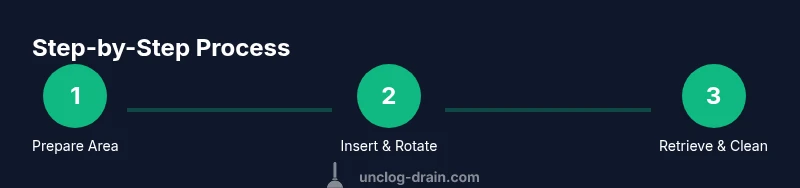
- 1
Prepare the area and protective gear
Shut off the toilet water supply and flush to lower the bowl water level. Put on gloves and lay towels around the base. Keep a bucket nearby for any wastewater and have a flashlight ready to observe the auger’s entry into the drain.
Tip: Check the water shutoff valve under the tank before you start to avoid surprises. - 2
Insert the auger into the toilet
With the auger handle extended, insert the tip into the drain opening. Slowly feed the coil into the bend of the toilet’s trap while keeping gentle forward pressure. Do not force the coil if you feel resistance.
Tip: Let the auger find its own path; avoid pressing too hard against the blockage. - 3
Rotate and advance the coil
Once you hit resistance, begin a slow twisting motion while applying minimal forward pressure to break up the clog. If you can feel the blockage give way, continue to advance a few inches to ensure you reach the obstruction fully.
Tip: Use short, controlled turns rather than long twists to prevent kinking. - 4
Retrieve and inspect the debris
Gently retract the coil while maintaining contact with the blockage, pulling out any loosened material. Inspect the coil to remove snagged debris and wipe it clean as you withdraw.
Tip: Count the amount of debris removed to gauge clearance. - 5
Test the flush
Once the auger is withdrawn, flush the toilet a few times with small amounts of water to confirm smooth operation. If the water drains slowly or returns to the bowl, repeat the insertion and rotation steps carefully.
Tip: Avoid big flushes until you are certain the line is clear. - 6
Clean up and sanitize
Disinfect the auger, wipe the area with sanitizing wipes, and dispose of contaminated towels and debris in a sealed bag. Rinse gloves thoroughly or replace them if needed.
Tip: Proper cleanup prevents the next user from exposure to waste.
Common Questions
Can I use a regular plumber's snake on a toilet?
A regular plumbing snake is not ideal for toilets because it can damage the porcelain or fail to reach the trap properly. A toilet auger is specifically designed for toilet geometry and reduces the risk of damage while addressing the clog.
A standard snake isn’t the best choice for toilets; use a toilet auger designed for the curved trap.
What should I do if the auger won’t advance or spins in the drain?
If the auger doesn’t advance, stop and inspect for a kinked cable or an obstruction deeper in the drain. Gently back out and reposition, then try a slower feed with minor rotation. If it still won’t move, it may indicate a more serious blockage requiring professional help.
If it won’t move, back out, check for kinks, and try again slowly; if still stuck, call a plumber.
Is it safe to mix chemical drain cleaners with the auger?
Chemical drain cleaners can create fumes and react with waste when used near an auger. It’s best to avoid mixing chemicals with the auger and resolve the clog with mechanical methods first. If you must use cleaners, do so only after the clog is cleared and always follow product instructions.
Avoid using chemical cleaners with the auger; mechanical clearing first is safer.
When should I call a plumber instead of trying DIY methods?
Call a plumber if you experience repeated clogs, sewage odors, sewage backup, or if the auger cannot clear the obstruction after multiple careful attempts. A professional assessment helps prevent further damage and ensures the issue is resolved.
If you keep facing clogs or smell sewage, it’s time to call a plumber.
Can I reuse the auger after cleaning it?
Yes, you can reuse the auger after thorough cleaning and sanitizing. Rinse the coil, wipe the shaft, and store it in a clean, dry place to prevent rust or contamination.
You can reuse it after cleaning and drying it well.
What are practical prevention tips to avoid future clogs?
Prevent future clogs by flushing smaller amounts of toilet paper at a time, avoiding flushing non-flushable items, and performing periodic drain checks. Regular maintenance and mindful usage reduce the likelihood of blockages.
Flush wisely and do a quick check of your drains now and then.
Watch Video
Key Points
- Learn when a toilet auger is appropriate for a clog.
- Use a controlled insertion and rotation to minimize damage.
- Clean and sanitize after use to prevent contamination.
- Prevent future clogs with mindful flushing and maintenance.