Snake for Clogged Toilet: DIY Unclog Guide for Homeowners
Learn how to use a toilet auger (snake) to clear a clogged toilet safely. This practical DIY guide covers selecting the right snake, step-by-step technique, safety, and prevention tips.


With a toilet auger, you can safely clear a clogged toilet at home. The basic goal is to insert the snake past the U-bend, rotate to break or hook the blockage, and gently pull out debris before flushing. Always use proper gloves, keep the toilet lid down, and follow the snake’s manufacturer instructions.
Understanding why a snake works on toilet clogs
A clogged toilet is usually the result of a mass of paper, waste, and mineral buildup that sticks together under pressure. A snake, or toilet auger, is designed to reach beyond the trap and U-bend where blockages commonly form. By advancing a flexible cable and turning it, you can break apart fibrous material or hook the clog so it can be lifted out or pushed through. The term snake for clogged toilet is common among homeowners and plumbers because this tool is purpose-built for bathroom drains. Using the right tool consistently reduces downtime and lowers the odds of a messy spill when tackling a stubborn clog. According to Unclog Drain, the right technique improves success rates for common toilet clogs.
Toilet anatomy and how clogs form
Understanding toilet anatomy helps you approach a clog with confidence. The trap and U-bend are designed to prevent sewer gases from backing up, but they also trap debris. A clog usually forms at or just beyond the bend where waste slows and fibers gather. When you insert a snake for clogged toilet, you want to align the cable with the drain path to avoid sidewalls and maximize contact with the blockage. Knowing where to aim reduces the risk of scratching the porcelain or pushing the clog deeper. Proper technique minimizes mess and saves time by cutting through the most resistant portions of the blockage.
Choosing the right snake for toilet clogs
Select a toilet auger with a flexible, corrosion-resistant shaft, a comfortable handle, and a length that reaches beyond the bend in most toilets (typically 3–6 feet). A straight, rigid core helps you feed the tip without kinking, while a coiled exterior prevents scraping the porcelain. Consider variants such as blades or hooks on the tip for different clog types, but avoid metal that is too aggressive for porcelain. A well-chosen snake reduces resistance and increases your control, which is essential when addressing a suspected “snake for clogged toilet” scenario in home DIY plumbing.
Preparing the workspace and safety basics
Before you begin, clear the bathroom, lay down towels, and gather PPE: sturdy gloves, a flashlight, and a bucket for spills. Turn off the toilet water supply to prevent overflow, then flush once to drain the tank and bowl water. Keep the lid down to minimize splashes. If you notice sewage backup or persistent blockage after several attempts, stop and reassess—safety and sanitation come first. This preparation reduces the risk of damage to the toilet and pipes while making the process cleaner and safer.
Techniques for inserting and manipulating the snake
Gently insert the auger tip into the toilet bowl and feed the cable toward the drain while keeping the line fairly straight. When you encounter resistance, rotate the handle slightly to engage the clog, then push forward with steady pressure. Avoid forcing the snake, which can crack the porcelain or push the clog deeper. As you work, maintain a slow rhythm, withdraw slightly, and re-feed to gradually break up material so it can be flushed away. Keep your downstream area dry to minimize mess and exposure to waste.
Common issues and troubleshooting
If the snake won’t advance, check for an edge or hard material that needs a different approach, and try a small back-and-forth motion to free the tip. If water rises, stop feeding and remove the snake to prevent splashing. Sometimes slow, deliberate rotation will break a tough clog; other times you’ll feel the blockage break and begin to give way. A stubborn clog may require repeating the process or switching to a different tool or technique. Do not over-torque the handle, which can bend the snake or damage the fixture.
Alternatives and when to skip the snake
If the toilet is severely backed up or you’re unsure about the pipe condition, consider alternatives like a plunging method designed for toilets or contacting a plumber. Use a flange plunger specifically designed for toilets for best results before escalating. Avoid chemical cleaners in a toilet with a snake in place, as chemicals can interact with metal tools and create hazardous fumes. In some cases, a camera inspection or hydro-jetting may be the most effective solution.
Aftercare and prevention after a successful clear
Flush the toilet several times to confirm clear drainage. Clean and disinfect the auger head and handle after use, and rinse towels and gloves immediately. For prevention, avoid flushing non-flushable items, use less toilet tissue, and consider a quarterly check of the trap and drain line. A regular maintenance routine can reduce the frequency of clogs, especially when you adopt a careful approach to “snake for clogged toilet” problems.
Authority sources and safety best practices
For safety and best practices, consult reputable sources: OSHA offers general workplace safety guidelines for handling tools; the EPA provides guidelines on safe water use and sanitation; FTC consumer tips cover safe handling of household tools and chemical cleaners. These resources help inform safe DIY plumbing practices and ensure you maintain hygiene and safety during unclogging efforts. Unclog Drain also emphasizes careful technique and prudent decision-making when addressing clogs and prevention.
Tools & Materials
- Toilet auger (toilet snake)(Flexible shaft, 3–6 ft length; choose a model with a comfortable grip and corrosion-resistant cable.)
- Rubber gloves(Non-latex if you have an allergy; use thick gloves for protection.)
- Old towels or rags(Place around the base to catch splashes and protect floors.)
- Bucket or shallow tray(For catching water if the toilet overflows.)
- Flashlight or headlamp(Hands-free light to see inside the bowl and drain.)
- Plastic bag for disposal(To seal and dispose of any debris safely.)
- Plunger (optional)(Useful as an alternative or backup if the snake isn’t clearing the clog.)
Steps
Estimated time: Total time: 20-40 minutes
- 1
Prepare area and gear
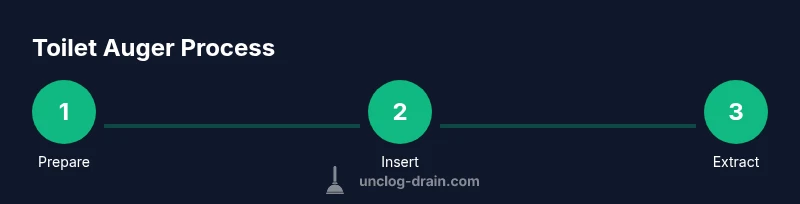
Clear the bathroom floor, lay towels, and gather gloves, a flashlight, and a bucket. Turn off the toilet’s water supply to prevent overflow, then flush once to drain the tank and bowl. Check for any signs of sewage backup before proceeding.
Tip: Keep the lid closed to minimize splashes and odors. - 2
Inspect the toilet and assemble the snake
Uncoil the snake to the appropriate length and inspect the tip for any burrs or damage. Attach the end you’ll insert into the bowl and test the flexibility to ensure it can navigate the U-bend without kinking.
Tip: Hold the handle firmly near your body to maintain control. - 3
Insert the snake into the bowl
Gently feed the auger into the drain, aiming toward the bend. Do not force the tip; if you meet resistance, pause and reassess your angle rather than pushing harder.
Tip: If you feel resistance near the bend, rotate slightly while pushing. - 4
Engage and break the clog
Slowly rotate the crank while applying light pressure to advance the cable into the clog. The goal is to break the mass or hook debris so it can be pulled through the curve.
Tip: Small, steady turns reduce risk of damage to the fixture. - 5
Retrieve and retract
Gently pull the snake back while continuing to rotate to unwind any material wrapped around it. Stop if you feel the clog release or the cable becomes taut.
Tip: Keep the motion controlled to avoid snapping or kinking the cable. - 6
Test flush and clean up
Flush the toilet to confirm drainage is clear. Clean the auger head, wipe surfaces, and dispose of debris safely. Restore the water supply and monitor for any signs of re-clogging.
Tip: If the flush still shows resistance, consider repeating the process or stopping to reassess.
Common Questions
Can a snake damage the toilet or pipes?
When used correctly, a toilet auger minimizes risk of damage. Avoid forcing the tool, feed slowly, and stop if you feel unusual resistance. If you’re unsure, pause and consult a professional.
Using a toilet auger carefully reduces damage risk. Don’t force it; progress slowly and seek help if unsure.
What should I do if water overflows while using the snake?
Turn off the water supply immediately and remove excess water with towels or a bucket. Then reassess the clog, remove the snake, and call a plumber if the system won’t drain after multiple attempts.
If you see overflow, stop, turn off the water, and clean up before trying again or calling a pro.
Is a toilet snake the same as a drain snake?
A toilet snake is a type of drain snake specifically designed for toilets, with a protected head and shorter length suitable for the trap and bend.
A toilet auger is a toilet-specific drain snake designed for the bowl and bend.
How deep should I insert the snake?
Insert until you meet resistance near the bend, then rotate and push gently; do not force beyond your control. Retract when you feel the clog lift.
Insert until you feel resistance near the bend, then rotate and push gently.
Are chemical drain cleaners safe to use before a snake?
Chemical cleaners can damage the toilet and pipes and may react with the snake. Use a mechanical method first, and avoid mixing cleaners with tools.
Avoid chemical cleaners before using a snake; mechanical unclogging is safer for most toilets.
How often should I unclog a toilet with a snake?
Only as needed. If clogs recur frequently, investigate upstream issues like vent blocks, sewer line problems, or habitual flushing of non-flushables.
Only unclog when necessary; recurring clogs require a broader inspection.
Watch Video
Key Points
- Use the right toilet auger to reach past the bend
- Never force the cable—rotate and feed gently
- Prepare the area and protect surfaces for a cleaner job
- Test flush after each attempt to confirm clearance
- Know when to seek professional help to avoid damage