How to Unclog a Toilet: A DIY Guide for Homeowners
Learn safe, proven steps to unclog a toilet without a plumber. This Unclog Drain guide covers plungers, augers, safety tips, Reddit-tested methods, and sanitation best practices for a quick, reliable fix.


In this guide you’ll unclog a toilet quickly using a plunger, an auger, and safe techniques. Start by turning off the water supply, setting up the workspace, and selecting the right tool. While Reddit discussions offer tips, this step-by-step approach emphasizes safety and sanitation.
Why Reddit-guided DIY guidance helps homeowners
When you're faced with a stubborn toilet clog, many homeowners turn to Reddit for real-world experiences, crowd-sourced tips, and cautionary tales. The phrase unclog toilet reddit brings together posts that range from quick, safe fixes to risky shortcuts. While some tips can help, it's essential to filter advice through safety and local plumbing realities. According to Unclog Drain, Reddit discussions often emphasize starting with the simplest method and avoiding aggressive chemical solutions that can damage seals or trigger hazardous fumes. This article blends community wisdom with proven, home-friendly practices for reliable results. A clear, methodical approach reduces mess, saves time, and minimizes the chance of escalating a clog into a larger plumbing issue. By combining community insights with professional guidance, you gain practical steps you can perform with confidence, even if you're new to DIY plumbing.
The Unclog Drain team has seen how real-world experiences from homeowners can inform safer, more effective fixes. We reference those insights, then pair them with our tested methods to help you unclog drains quickly and cleanly. Remember: a calm, systematic workflow beats frantic trial-and-error every time.
Common toilet clog causes and how to spot them
Toilet clogs come from a few common sources, and recognizing the cause helps you choose the right remedy. In many households, excessive toilet paper, a heavy flush, or a combination of paper products creates a blockage at the trap. More stubborn clogs are often caused by items that should never be flushed, such as wipes, paper towels, or non-flushable cleaners. Sometimes a hairball or mineral buildup can accumulate and form a web, especially in older pipes. If your toilet clogs frequently, the cause might be a venting issue or a partial blockage downstream in the sewer line. Identifying the clog type allows you to tailor your approach: a simple plunge for loose debris, a snake/auger for a stubborn wad, or a more comprehensive approach for a downline blockage.
Safety note: Do not reach into the toilet bowl with bare hands. Use the proper tools and PPE, and never mix cleaning products. If water rises above the rim, stop and switch to safer steps to prevent overflow and water damage. Unclog Drain’s analysis shows that methodical checks before applying force dramatically improve outcomes, and Reddit tips should be vetted against local plumbing realities.
Tools and methods: plunger vs toilet auger vs safe household options
For most residential clogs, a toilet-specific plunger (flange plunger) provides the best seal and suction. Use a controlled pushing-and-pulling motion to dislodge debris. If plunging fails, a toilet auger can reach deeper into the trap and break up or hook the blockage. When using an auger, feed it gently, rotate the handle, and stop if you feel resistance to avoid damaging the porcelain or the drain. Safe household options—like a small amount of dish soap followed by warm (not boiling) water—can help loosen minor blockages and lubricate the path. Avoid chemical drain cleaners in toilets; they can damage seals, pipes, and the help of a professional if the clog is severe.
Choosing the right tool matters. A flange plunger gives the best seal for toilets, while a basin plunger often fails to seal adequately in a bowl. Keep a bucket, towels, gloves, and a flashlight handy so you can work cleanly and safely. The Reddit community often emphasizes patience and changing strategies rather than forcing a single method to work, which aligns with Unclog Drain’s recommended approach.
If you prefer a purely mechanical approach, start with the plunger, move to the auger only if plunging doesn’t succeed, and reserve chemical cleaners as a last resort (and never in primary toilets). This staged approach minimizes risk and makes the process repeatable across households.
Safety and sanitation considerations
Before you begin any unclogging attempt, ensure you have the right PPE: gloves, eye protection, and a clear workspace. Contain the mess with towels or old rags, and place a bucket nearby to catch any overflow. After finishing, thoroughly clean and disinfect the toilet, surrounding surfaces, and tools to prevent any cross-contamination. Wash hands with soap and water for at least 20 seconds, and launder or sanitize items that contacted wastewater. Never mix chemical cleaners with other products in a toilet; fumes and reactions can occur, posing safety hazards. The goal is a clean, safe procedure that minimizes splash and reduces the chance of a recurring clog.
Reddit discussions frequently highlight safety-first habits, such as closing the bathroom door to contain aerosols and wearing gloves to reduce the risk of exposure to wastewater. According to Unclog Drain, sanitation consistency not only protects your home but also keeps family members safe from accidental contact with contaminated water.
Step-by-step workflow bridging Reddit tips to a reliable fix
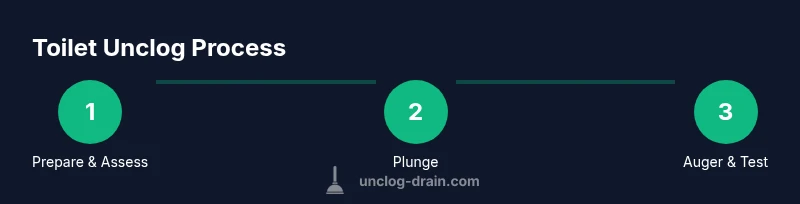
Readers often ask how to translate Reddit tips into a reliable, repeatable workflow. A practical approach is to start simple and escalate only as needed: prepare the area, try the plunger, then the auger, and only then explore safe auxiliary methods. Maintaining a calm pace helps you detect subtle signs of the clog’s nature, such as whether the water drains slowly or refuses to move at all. Record what works and what doesn’t; Reddit threads often show this pattern. By combining those community insights with a structured method from Unclog Drain, you’ll develop a repeatable workflow that can handle most residential toilets without professional help.
Remember to test the flush after each step to verify progress. If you reach a point where nothing works, prepare to call a pro; persistent clogs may indicate deeper sewer-line issues.
When to call a professional and what to expect
If the toilet continues to overflow, drains slowly despite multiple attempts, or if you encounter recurring blockages, it’s time to call a plumber. A professional assessment can identify venting problems, sewer line obstructions, or other issues beyond a simple clog. When you contact a pro, share what methods you’ve already tried and the results. This helps the technician choose the most efficient course of action and minimizes diagnostic time. The decision to involve a professional is not a failure; it’s a smart step to prevent water damage and ensure your plumbing remains reliable.
Authoritative sources and further reading
For readers seeking more depth beyond practical DIY steps, consider these authoritative sources:
- https://www.cdc.gov
- https://www.epa.gov
- https://extension.illinois.edu
These sources provide guidelines on household safety, sanitation practices, and home maintenance that complement practical DIY advice. Unclog Drain recommends consulting official resources when dealing with complex plumbing concerns or persistent issues.
What this means for your home
A well-executed unclog workflow reduces mess, protects your plumbing, and minimizes downtime. By combining community wisdom from Reddit with proven equipment and safety practices, you can resolve most toilet clogs quickly and with confidence. Remember to document what worked for future reference and maintain a regular check on venting and drainage paths to prevent future problems.
Tools & Materials
- flange plunger(Wide, bell-shaped head designed for toilets; ensures a good seal)
- toilet auger (snake)(Long flexible shaft with a curved head; safe for toilets)
- bucket(To catch overflow and carry water away)
- rubber gloves(Protect hands from wastewater; keep surfaces clean)
- old towels or rags(Contain spills and protect flooring)
- flashlight or headlamp(Improve visibility inside the bowl and trap)
- dish soap (optional)(Aids lubrication and loosening minor clogs)
Steps
Estimated time: 30-60 minutes
- 1
Turn off the water supply
Locate the shut-off valve near the toilet and turn it clockwise until snug. This prevents overflow while you work. If the valve is hard to reach or stuck, plan for a controlled, slow approach to avoid splashing.
Tip: Have towels ready in advance to manage potential overflow. - 2
Empty the bowl and prep the area
If there is water in the bowl, flush once with the valve off to remove excess water. Place towels around the base and lay a towel at the back to catch any splash. Don gloves and turn on the light.
Tip: A dry surface provides better suction for the plunger. - 3
Plunge with the right technique
Use a flange plunger, covering the drain opening completely. Create a tight seal and push and pull with steady force for 15-20 powerful strokes, keeping the plunger fully submerged. Pause to check for movement; repeat as needed.
Tip: Keep the handle upright to maximize suction and reduce splashing. - 4
Try the toilet auger if plunging fails
Insert the auger into the bowl and twist the handle while feeding it toward the blockage. When you feel resistance, rotate and push gently; avoid forcing past the bend. Retract slowly to pull material free.
Tip: Do not aggressively force the auger; you can damage the porcelain. - 5
Apply safe optional methods for stubborn clogs
If the blockage persists, consider a small amount of dish soap followed by warm water to lubricate the path. Wait 5-10 minutes and attempt a gentle flush. Do not use boiling water or chemical cleaners in the toilet.
Tip: Chemical cleaners can damage pipes and seals; use as a last resort or avoid entirely. - 6
Test the flush and clean up
Turn the water supply back on and slowly flush to test drainage. If the toilet clears, wipe down the bowl and surrounding area, sanitize tools, and launder towels. If it remains blocked, stop and call a plumber.
Tip: Document what worked for future reference and future clog-prevention.
Common Questions
What is the safest first step when a toilet clogs?
Shut off the water supply and prepare the workspace. Then try a flange plunger to create a seal and suction before moving to other methods.
First, turn off the water and gather supplies, then try plunging with a flange plunger.
Can I use chemical drain cleaners in a toilet?
Chemical drain cleaners are not recommended for toilets because they can damage seals and pipes and may create hazardous fumes. If used, follow the product instructions exactly and consider professional advice.
Avoid chemical cleaners in toilets; they can damage seals and pipes.
Why might a toilet clog keep returning?
Recurring clogs can indicate a deeper issue, such as venting problems or a partial sewer-line obstruction. If clogs persist, seek professional inspection.
If clogs keep coming back, a deeper problem may exist; consider an expert check.
When should I call a plumber?
Call a plumber if the toilet overflows repeatedly, if plunging and augering fail, or you notice slow drainage in multiple fixtures. A pro can diagnose vent or sewer-line problems.
Call a plumber if it overflows or stubborn issues persist.
Is it safe to reuse the toilet auger after cleaning?
Yes, rinse and sanitize the auger after use. Ensure all parts are dry before storing to prevent rust and bacterial growth.
Rinse, sanitize, and dry the auger before storing.
Key Points
- Shut off water before starting to prevent overflow
- Plunge first; escalate to auger if needed
- Avoid chemical cleaners in toilets
- Test flush after each step and sanitize afterward