Unclog Toilet Plunger Not Working Reddit: Quick Fixes
Urgent DIY guide to fix a toilet that won’t unclog with a plunger, inspired by Reddit tips. Step-by-step troubleshooting, safety notes, and prevention.


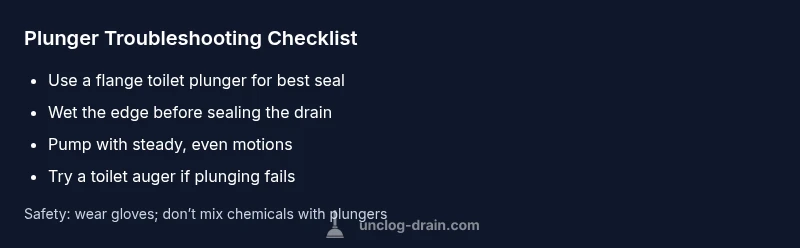
Most plunging failures come from a poor seal or improper technique. Use a toilet flange plunger, ensure a tight seal around the drain, and apply steady, full-motion pushes and pulls. If the clog still won’t budge, move to a diagnostic flow and consider alternative methods or professional help. This approach reduces guesswork and focuses on the right method first.
Why a Reddit-driven plunger fix often fails
According to Unclog Drain, many homeowners approach toilet clogs with the wrong mindset when they search threads about unclog toilet plunger not working reddit. The most common misstep isn’t a bad plunger—it's technique and setup. A flange-style toilet plunger creates a proper seal only when the rim sits flush against the drain opening. In countless DIY cases, reddit tips encourage brute force, but air moves through the opening when the seal isn’t tight, producing little effect. The Unclog Drain Team emphasizes that success hinges on how you seal, which tool you choose, and matching the method to your toilet geometry. Before escalating to more aggressive approaches, confirm you’re using a toilet-specific plunger and that you’ve wetted the rim for a strong seal. This foundation often resolves the issue without extra equipment.
Picking the right plunger and the right setup
Choosing the right plunger dramatically changes outcomes. A flange plunger (the toilet type) creates a better seal than a flat cup plunger on most toilets. Ensure the plunger is clean, free of soap or debris, and sized to cover the drain opening. Position the plunger so the flange dips into the drain, not just the cup covering it. Elevate your water to the correct level—ideally covering the plunger’s cup—so you can push water instead of air. If you’re standing in a small bathroom, a longer-stem plunger helps you apply consistent pressure without losing your seal. In short, your success rate climbs when you pick the right tool and optimize the seal, not by brute force alone.
Understanding toilet geometry and how seals work
Toilet drains involve a curved trap and a vent system that can complicate plunging. A tight seal matters because air gaps stop the pressure wave that helps dislodge the blockage. Some clogs sit beyond the U-bend, where plunging may struggle to reach. In these cases, a longer auger or a toilet snake can reach the obstruction more effectively than repeated plunges. If the water level rapidly rises after plunging, you may be creating pressure that forces the clog deeper rather than clearing it. Understanding the drain route helps you decide when to persevere with plunging and when to switch tactics.
Common mistakes that defeat plungers
Many homeowners fail due to improper technique, not lack of effort. Avoid using a flat cup plunger on a toilet with a wax ring or damaged seal, and never mix plunging with chemical drain cleaners—this can create dangerous fumes or reaction with tools. An insufficient water level, an off-angle seal, or a misaligned push-pull rhythm wastes energy and reduces effectiveness. Another frequent misstep is attempting to plunge with the toilet handle loose or with a damaged plunger head. The right tool, correct seal, and steady rhythm are essential. If you’re unsure about the blockage’s location, don’t improvise beyond safe limits. Reassess and escalate when necessary.
Quick diagnostic checks you can perform now
Start with a quick visual and touch check: look for a tight seal around the drain, confirm the flange is in good shape, and ensure there’s no obvious obstruction near the rim. Confirm water depth in the bowl—just enough to submerge the plunger. Check for air leaks around the seal by placing your hand around the rim while pressing; you should feel resistance. If you detect any damage to the plunger or the drain area, stop and replace parts. A well-sealed system improves pressure transmission and reduces the number of pumps needed.
A practical diagnostic flow you can follow (fast)
- Symptom: Plunger fails to clear a visible clog after several cycles.
- Diagnosis suggestions: seal issue, wrong plunger type, blockage beyond reach.
- Quick fixes: replace or reseal the plunger, adjust water level, reattempt plunging with proper rhythm.
- If not resolved: use a toilet auger for deeper blockages, or call a plumber if the blockage persists beyond standard DIY scope. Safety first: never mix chemicals with plungers; avoid flushing after attempting auger work unless you’re certain the water flow is clear.
Step-by-step fixes for the most common cause (seal and setup)
- Gather a flange plunger, recipient towels, and gloves. Place towels around the base to absorb splashes. Ensure the bathroom is well-lit and ventilated.
- Wet the rubber edge to improve sealing and align the flange with the drain opening. Create a tight seal, then push the plunger in a straight vertical line to minimize air pockets.
- Maintain a steady rhythm: 15-20 deliberate pumps, followed by a pause. If you hear water siphon and then refill, you may be on the right track.
- After several cycles, test by flushing. If the drain remains blocked, consider more advanced methods or escalate to professional help. If this doesn’t work, switch to a toilet auger or call a professional.
Safety, warnings, and when to seek professional help
Plunging is generally safe, but there are safety considerations. Wear gloves to protect hands from bacteria, and avoid bending the toilet’s porcelain. Do not use pipe-dusting or metal tools that could scratch the glaze. If the water level remains high after repeated plunging or you detect a strong sewer odor, stop and contact a plumber. Persistent clogs may require professional equipment such as a relay-assisted auger or camera inspection to identify the blockage path and ensure no sewer backup occurs.
Prevention tips to stop clogs before they start
Finally, prevention matters. Always flush properly, avoid sending non-flushable items down the toilet, and use a toilet plunger regularly to check for early signs of blockage. If you’re remodeling or replacing fixtures, ensure venting is adequate to avoid pressure buildup. For households with hard water, consider routine maintenance and cleaning of the trap area to reduce mineral buildup. Regular checks with the right tool can save time and prevent the stress of urgent fixes.
Steps
Estimated time: 20-45 minutes
- 1
Prepare the area and gear
Put on gloves and lay towels. Gather a flange plunger, a bucket, and a flashlight. Clear the area so you can work with a straight, unobstructed stance.
Tip: Having everything ready reduces drift and keeps you focused on form. - 2
Create a tight seal
Wet the rubber edge of the plunger and place it squarely over the drain opening. Ensure the flange is inserted into the drain and the seal is airtight before you start pumping.
Tip: A loose seal wastes energy and may push air instead of water. - 3
Pump with rhythm
Use slow, deliberate pumps with even pressure. Aim for 15-20 pumps in a row, then pause to see if water level rises or the clog clears.
Tip: Consistency beats brute force; stop if the seal breaks. - 4
Assess outcomes
Flush the toilet after a set of pumps to test if the blockage has cleared. If water backs up, switch to a toilet auger or repeat the process with a revised seal.
Tip: Don’t force the process—overpumping can crack the toilet. - 5
Proceed to alternatives
If plunging fails after multiple attempts, introduce a toilet auger or drain snake to reach deeper blockages. Consider professional help if the issue persists.
Tip: Augers reach beyond the U-bend; don’t force past resistance. - 6
Final safety check
Ensure the area is clean and dry. If you had to use any tools, wash them thoroughly and sanitize surfaces. Decide on follow-up steps and when to call a pro.
Tip: Record what worked so you can replicate next time.
Diagnosis: Toilet plug persists after multiple plunges; the plunger won’t dislodge the clog
Possible Causes
- highInadequate seal around drain
- highUsing a non-flange or incorrect-sized plunger
- mediumBlockage beyond the trap or vent issues
- lowAir or pressure leaks in the plumbing
Fixes
- easyCheck seal and ensure flange-type plunger is used; reseal around drain
- easyReposition plunger for a tight seal, wet the rim, and pump with steady rhythm
- mediumIf the clog persists beyond reach, try a toilet auger or call a plumber
- easyAvoid chemical cleaners with plungers; consider professional diagnostic if needed
Common Questions
Why won't my plunger seal properly around the drain?
A poor seal lets air slip past, preventing the pressure wave from clearing the clog. Re-seat the plunger, wet the edge, and choose a flange-type plunger designed for toilets. Ensure the drain opening is clean and unobstructed.
A bad seal means no pressure, so reseat the plunger and try again with a flange plunger designed for toilets.
Is it safe to use chemical drain cleaners with a plunger?
Chemicals can react unpredictably with plungers and drain materials. They’re usually not needed for simple clogs and can create hazardous fumes. Use mechanical methods first and avoid mixing cleaners with plungers.
Chemicals and plungers don’t mix well; use mechanical methods first and avoid mixing cleaners with plungers.
What if plunging doesn’t work after several attempts?
If plunging fails after multiple cycles, move to a toilet auger for deeper reach or call a plumber. A persistent clog may indicate a blockage beyond the trap or a venting issue.
If plunging still fails after several tries, use a toilet auger or call a professional for deeper blockages.
Should I use a toilet auger instead of a plunger?
A toilet auger is effective for clogs located farther down the drain. Use it after attempting plunging if the blockage remains, especially beyond the trap. Follow safety instructions and avoid forcing past resistance.
Yes, a toilet auger reaches deeper than a plunger; try it after plunging if the clog persists.
How can I prevent clogs in the future?
Prevention includes proper disposal habits, avoiding flushing non-flushables, and using a plunger regularly to catch early signs of buildup. If you have hard water, clean the trap area periodically to prevent mineral buildup.
To prevent clogs, flush properly, avoid non-flushables, and check for buildup regularly.
When should I call a plumber?
Call a plumber if the toilet remains clogged after using a toilet auger or if you notice multiple fixtures showing signs of drainage issues. A professional diagnosis prevents further damage.
Call a plumber if blockages persist after using an auger or if other drains slow down.
Watch Video
Key Points
- Check the seal first; a poor seal is the most common issue.
- Use the correct toilet plunger with a flange for best results.
- If plunging fails, switch to a toilet auger or call a plumber.
- Prevent clogs with proper usage and regular maintenance.