What to Do When Plunger Doesn't Unclog a Toilet
Urgent DIY guide: if your plunger fails, learn quick fixes, safe techniques, and when to call a pro. Systematic troubleshooting to restore flow fast and prevent future clogs.


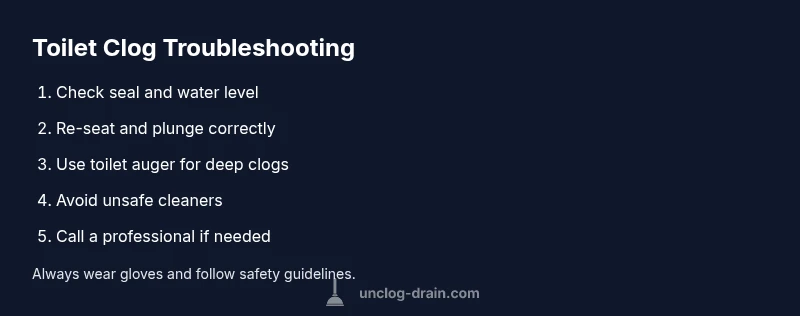
If your toilet won’t unclog after plunging, start with a tight seal and steady, full-range strokes, then reassess water level. What to do when plunger doesn't unclog toilet often comes down to technique and simple tools: reseal, plunge correctly, and consider a toilet auger if needed. For stubborn cases, don’t hesitate to seek professional help.
Quick Diagnosis: What to Do First When the Plunger Fails
If you're wondering what to do when plunger doesn't unclog toilet, you’re not alone. The problem is usually not the plunger alone but how you seal and plunge, plus whether the water level is sufficient to create a strong seal. According to Unclog Drain, many homeowners waste time because they rush to force the plunger without a proper seal or enough water in the bowl. Take a breath, confirm you have at least several inches of water in the bowl, and inspect the plunger for a clean, smooth edge. This phase matters: a poor seal or air gap defeats suction and leaves the clog intact, often pushing back or splashing instead of clearing the obstruction. A calm, methodical approach turns this around and reduces the mess.
Common Causes Behind a Stubborn Clog
Clogs that resist plunging are often caused by a buildup of toilet paper, hair, or non-flushable items forming a tight mass, or by a clog located deeper in the drain beyond the reach of a standard plunger. Another frequent factor is a damaged or misaligned flange that prevents a proper seal. If you’ve recently used chemical cleaners, remember they can degrade rubber seals or react with other cleaners, complicating the problem. In any case, understanding the cause guides your next steps and helps you avoid repeating the issue.
The Right Tools and Setup
You don’t need heavy gear, but a few key tools save time and reduce mess. A flange-style toilet plunger with a tight, clean seal is essential. For deeper blockages, a toilet auger (snake) is more effective than multiple plunges. Have gloves, towels, and a bucket ready to manage standing water. If you’ll escalate to an auger, work slowly and respect the toilet’s mechanisms to avoid damage. Before attempting any tool-based fix, ensure your water supply is stable and you are wearing eye protection.
Step 1: Create a Tight Seal and Re-Position
Start by ensuring the plunger is fully wet and the flange is submerged. Place the cup over the drain opening, push down firmly to expel air, and draw back slowly to create suction. Then push down with steady pressure for short, repeated strokes, keeping the seal intact. Lift carefully to avoid splashing, then re-seal and repeat. A good seal makes all the difference, and repeated controlled plunges are more effective than forceful, sporadic pushes. If the water level drops, add a little more water to keep the seal.
Step 2: Reassess Water Level and Plunger Type
If you still don’t see movement after multiple cycles, check the water level again. If it’s too low, the seal can fail even with the best technique. For toilets with a small trap opening, a flange plunger (the one with a narrower garden-hose-like neck) can be more effective than a traditional bell-shaped plunger. Ensure the plunger remains fully submerged during plunges and maintain consistent pressure. This step often resolves superficial clogs that clogged earlier plunges.
Step 3: Introduce a Toilet Auger (Plumber’s Snake)
When plunging fails, a toilet auger is the next best tool. Insert the auger until resistance is met, then gently rotate to break through the blockage. Retract slowly and pull the clog out or push it through the drain. Use steady turns rather than forced twisting, which can damage the porcelain or inner flange. If you can’t clear with a basic auger, consider professional-grade tools or call a plumber before forcing the line.
Step 4: Safe Home Remedies and Why They Help (Or Don’t)
A small amount of hot (not boiling) water with a bit of dish soap can help loosen slick clogs made of paper and grease. Do not mix multiple chemical cleaners; the combination can produce dangerous fumes. Enzymatic cleaners can slow the process but are generally safe for pipes; they’re a last-resort option when mechanical methods fail. If you choose warm water, pour slowly and avoid splashing. These tactics are not miracle cures but can help with light obstruction when used correctly.
Step 5: When to Stop and Call a Pro
If the toilet continues to back up after several cycles of plunging and probing, or if you notice slow drains in other fixtures, you may have a more serious blockage or sewer-line issue. It’s time to contact a licensed plumber. Don’t risk water damage, sewer gas exposure, or further damage by forcing tools beyond the trap. A professional assessment prevents escalation and protects your home.
Prevention: Simple Habits to Keep It Flowing
To avoid future clogs, flush only appropriate items, use adequate water with each flush, and consider routine maintenance like a yearly drain check. Keep hair, wipes, and paper products away from toilet use in other bathrooms or utility areas. A small investment in preventive measures saves time and reduces the chance of a flood or backup. Regular cleaning around the flange and seal also extends the life of your toilet and its internals.
Steps
Estimated time: 45-75 minutes
- 1
Check the plunger seal
Verify the plunger is clean and fully submerged. Position the flange to fit the drain and avoid air leaks. Ensure your plunges are deliberate, consistent, and create a strong seal before any pushing.
Tip: A tight seal beats brute force every time. - 2
Create effective plunges
Place the plunger over the drain, push down firmly, then pull up slowly to maintain suction. Repeat with steady rhythm for 20-30 seconds. If water level drops, add a small amount back in to keep the seal active.
Tip: Stay calm and keep the seal intact. - 3
Try a toilet auger
Insert the auger into the toilet bowl and gently push until you encounter resistance. Rotate slowly to break through or catch the clog, then pull back slowly to remove debris.
Tip: Do not force; controlled motion is safer for porcelain. - 4
Use warm water and soap cautiously
Pour a few cups of warm water with a squirt of dish soap into the bowl, then perform gentle plunging. This can help soften a light blockage without harsh chemicals.
Tip: Avoid boiling water or chemical mixes in a toilet. - 5
Assess for deeper issues
If the water remains stagnant after several attempts, check other fixtures for drainage. Slow drainage or backups in multiple fixtures suggests a wider blockage or sewer line issue.
Tip: Shut off if sewage odors appear; ventilation is important. - 6
When to call a professional
Persistent clogs, sewage backups, or repeated failures indicate a professional evaluation is needed. A licensed plumber can diagnose drainage beyond the toilet trap and protect your home.
Tip: Avoid DIYs that could cause floor damage or health risks. - 7
Maintenance to prevent future clogs
Establish a weekly or monthly quick check of drains, avoid flushing non-flushables, and keep a simple maintenance routine. Regular care reduces the likelihood of future emergencies.
Tip: A small routine saves big headaches later.
Diagnosis: Toilet remains clogged after multiple aggressive plunges
Possible Causes
- highWeak seal or incorrect plunging technique
- mediumClog located above the trap or beyond reach of plunger
- lowSolid object or toilet paper buildup forming a tight mass
- lowPartial blockage in main sewer line causing backup
Fixes
- easyRe-seat the plunger and ensure a tight seal; plunge with steady pressure for 20-30 seconds
- mediumUse a toilet auger (plumber’s snake) to break or retrieve the clog deeper in the drain
- easyApply hot water and dish soap to loosen the clog; avoid mixing with harsh chemicals
- hardCall a licensed plumber if the clog persists or there are signs of sewer line trouble
Common Questions
Why won't my plunger unclog the toilet after multiple attempts?
Most often the issue is a poor seal or insufficient water. Deeper blockages, misalignment of the flange, or a solid mass in the trap can defeat plunging. Consider using a toilet auger if plunging repeatedly fails, and assess if sewer-line problems could be involved.
Usually seal and water level are the culprits. If plunging still fails, try a toilet auger or call a plumber for deeper checks.
Is it safe to use hot water or dish soap to loosen a clog?
Warm water with a small amount of dish soap can help loosen light blockages, but avoid boiling water and never mix cleaners. Enzymatic cleaners are a gentler option but take longer. Always ventilate and avoid hazardous chemical reactions.
Warm water with soap can help light clogs; avoid boiling water and chemical mixes.
When should I call a plumber for a toilet clog?
Call a plumber if plunging and augering fail after several attempts, the toilet backs up repeatedly, or you notice sewage odors or backups in other fixtures. A professional can diagnose sewer-line issues and prevent costly damage.
Call a plumber if backups persist or other fixtures are affected.
Can I use a toilet snake in a toilet safely?
Yes, a toilet auger is designed for toilets and is safer than a metal snake. Use slow rotations and avoid forcing the tool. If you’re unsure, consult a professional to prevent damage to the porcelain or seals.
A toilet auger is safer for toilets; rotate slowly and don’t force it.
How can I prevent clogs in the future?
Flush only toilet paper and human waste, use adequate water per flush, and establish a small maintenance habit to inspect drains. Regularly cleaning the flange area and seal helps prevent future problems.
Flush only toilet paper and waste; keep drains clean and routinely inspect the area.
Watch Video
Key Points
- Check seal and water level before plunging again
- Use a toilet auger for deeper clogs
- Avoid mixing cleaners; prioritize safety
- Call a plumber if backups persist
- Maintain regular prevention to reduce future clogs