How to Unclog a Toilet When Plunger Isn t Working: A DIY Guide
Learn proven methods to unclog a toilet when a plunger fails. Step-by-step, tool-by-tool guidance, safety notes, and when to call a pro from Unclog Drain.


To unclog a toilet when the plunger doesn t work, use a toilet auger first, then safe chemical-free methods, and finish with targeted flushing techniques. Start with mechanical tools, avoid mixing incompatible cleaners, and work gradually to prevent overflow. With patience and the right tools, most blockages clear without calling a plumber.
Why the Plunger Might Fail and What to Do Next
When a plunger doesn t move a clog, it usually means the blockage is beyond the bend or wider than a simple standing column of water can dislodge. Before you reach for harsher options, it helps to understand the range of paths you can take. The goal is to restore a clear path for waste and flush water to pass freely. In many homes, a stubborn toilet blockage responds to a deliberate sequence of steps that starts with mechanical tools and ends with a controlled flush. This section frames the problem and aligns you with the practical route: how to unclog a toilet when plunger isn t working, without risking damage to the fixture.
Safety First: Prep Your Workspace and Protect Yourself
Before any intervention, turn off the toilet’s water supply and drain the bowl into a bucket or lower reservoir. Put on waterproof gloves, lay down towels, and keep a fan or open window for ventilation if you plan to use any cleaners. Clearing space around the toilet reduces the chance of spills and splashes landing on the floor. If overflow begins, you can quickly stop it by closing the supply valve and removing excess water with a sponge. Remember: patience and safety minimize mess and injury, and they set the stage for successful dislodgement.
Tools That Actually Help: What You Need to Try First
A good toilet auger (closet auger) is the most effective non-plunger tool for toilets. A flexible auger can reach past the trap and hook onto or break up the clog. Rubber gloves, a sturdy bucket, old towels, a flashlight, and a bottle of dish soap are useful companions. Optional extras include baking soda, white vinegar, and hot water to create a safe, mechanical flush routine. Avoid improvised items like metal clothes hangers, which can scratch porcelain or damage internal components.
Using a Toilet Auger: Step-by-Step Application
A toilet auger is designed to extend into the toilet bowl and rotate to break or hook the blockage. Carefully insert the auger’s tip into the drain and crank the handle while applying steady pressure. If resistance increases, rotate and feed a bit more of the cable, then pull back slowly to dislodge. Once you feel the clog loosen, extend a small amount and attempt a test flush. If the water still won’t drain, retract, re-orient, and re-try. Always keep the cable away from loose skin or fingers. Cleanup involves wiping the auger and resealing the toilet.
Safer Household Methods: Gentle, Non-Chemical Steps
If the auger doesn’t clear the clog, you can try non-chemical methods that rely on water flow and friction. Pour warm (not boiling) water into the bowl along with a splash of dish soap, then give the water a strong flush. The temperature and lubrication help reduce friction as the clog shifts. You can also pour a safe amount of baking soda followed by vinegar and wait about 15 minutes before flushing again. These steps avoid harsh chemicals that could harm the porcelain or release dangerous fumes.
When to Avoid DIY Methods and Call a Pro
If you hear gurgling from the drains elsewhere in the house, notice sewage backing up, or the toilet remains blocked after multiple attempts, it’s time to call a professional plumber. Pro help may be necessary for deep-seated clogs, older plumbing, or situations involving the main sewer line. A licensed plumber can assess using professional-grade tools and ensure there’s no risk to the home’s plumbing system. The goal remains safe, quick resolution with minimal disruption.
Common Pitfalls and How to Dodge Them
Avoid mixing drain cleaners with other cleaners or using chemical products in a toilet. Porcelain can crack when exposed to caustic chemicals, and fumes can be dangerous in enclosed bathrooms. Don’t over-torque the auger or force the cable; applying too much pressure can crack the bowl rim or push the blockage further into the system. Finally, never flush repeatedly when the water level is high; this can cause overflow and create a bigger mess.
Step-by-Step Recap and Next Steps
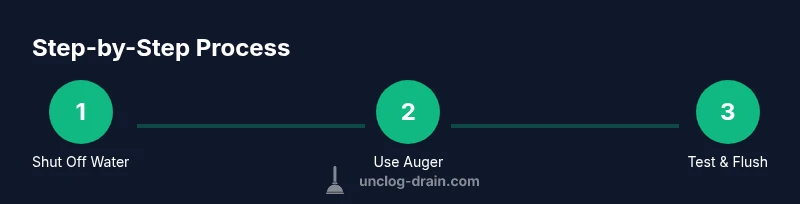
If you’ve followed the approaches above, step back and retest with a proper flush. If the blockage clears, clean the area thoroughly and monitor for any signs of recurring clogs. Consider preventive strategies like a toilet brush-cleaning routine, a fine sieve or toilet screen, and mindful disposal of non-flushable items. If the toilet continues to fail after repeated attempts, contact a professional to avoid damage or contamination.
Tools & Materials
- Toilet auger (closet auger)(Long flexible cable with a handle; designed to reach through the toilet trap.)
- Rubber gloves(Waterproof, protects hands from waste and cleaning agents.)
- Old towels or rags(Protect floor and absorb spills around the toilet.)
- Bucket(Collects water if you need to remove bowl contents and prevent overflow.)
- Flashlight(Helps inspect the drain and auger tip visibility in dim bathrooms.)
- Dish soap(Lubricates and reduces friction when using water-based methods.)
- Baking soda(Used with vinegar for a gentle foaming action to help loosen debris.)
- White vinegar( reacts with baking soda to create effervescence that aids loosening.)
- Plunger(Keep for backup; if it fails, proceed with auger and other methods.)
Steps
Estimated time: 60-90 minutes
- 1
Shut off water & prep area
Turn off the toilet water supply to prevent overflow. Place towels around the base and set a bucket nearby to catch splashes. This creates a controlled work zone and minimizes mess.
Tip: Having the towels in place before you start saves cleanup time later. - 2
Remove standing water (if needed)
If the bowl is full, use a sponge or cup to remove as much water as possible. Leaving excess water can cause spills when you operate the auger or apply warm water.
Tip: Keep a small bowl or cupped hand to scoop water without splashing. - 3
Insert auger & rotate
Carefully insert the auger into the drain and slowly crank the handle. Apply gentle pressure and rotate to engage the clog. If you encounter resistance, pull back slightly and reorient before continuing.
Tip: Avoid forcing the cable; resistance can indicate the clog is hard or in a tricky bend. - 4
Test flush and assess
Retract the auger and flush the toilet. If water still drains slowly or not at all, repeat the feed-and-rotate sequence once more before trying alternative methods.
Tip: Sometimes multiple light passes loosen debris better than a single strong push. - 5
Try warm water & soap
Warm (not boiling) water with a dash of dish soap can help lubricate the passage. Pour into the bowl and give a steady flush to assist movement.
Tip: Soap reduces friction between debris and porcelain, aiding flow. - 6
Apply baking soda & vinegar (optional)
If the clog persists, pour baking soda followed by vinegar and wait 10-15 minutes. Flush again; this non-chemical approach can loosen organic blockages.
Tip: Never mix with other cleaners during later steps to avoid chemical reactions. - 7
Clean up & sanitize
Return the water supply, wipe down the tub, and sanitize tools and surfaces after finishing. Ensure the area is dry to prevent slips.
Tip: Sanitize the auger handle and any surfaces touched during the process.
Common Questions
Can I use chemical drain cleaners if plunger fails?
Chemical drain cleaners can damage porcelain and pipes in a toilet and may release hazardous fumes. If the plunger fails, prioritize mechanical tools like a toilet auger and safe, non-chemical methods. If you must consider chemicals, choose products specifically labeled for toilets and follow all safety instructions. When in doubt, consult a professional.
Chemical cleaners can damage your toilet and should be avoided if possible. Use a toilet auger first and only use approved toilet-safe products with caution.
Is it safe to use a metal coat hanger to clear a toilet?
No. A metal hanger can scratch or crack the porcelain and may damage the trap or sewer line. It’s best to stick with a purpose-built toilet auger or a professional snake. If you must improvise, use soft, non-abrasive tools and proceed with extreme care.
Avoid metal hangers; they can damage the toilet. Use a proper auger instead.
How long should I try the auger before giving up and calling a pro?
If you don’t feel progress after several minutes of turning and slight pulling, stop and reassess. Reattempt once or twice with adjustments in angle and depth. If the blockage remains stubborn, a professional can diagnose deeper issues and prevent fixture damage.
If there’s no progress after a few minutes of trying, it’s wise to call a pro to prevent damage.
What should I do if the toilet overflows during the process?
Shut off the water supply immediately, remove excess water with a sponge, and place towels. Avoid flushing again until you’re ready. If overflow recurs, stop and contact a plumber to avoid basement contamination or plumbing damage.
Shut off the water and clean up slowly. Don’t flush again until you’re sure the blockage is resolved.
Can I prevent clogs in the future?
Yes. Use a toilet screen if needed, avoid flushing non-flushables (paper towels, wipes), and flush only small amounts at a time. Regular maintenance and mindful disposal reduce the odds of recurring clogs.
Preventing clogs is easier with mindful flushing and routine maintenance.
Do I need a professional for severe clogs or recurring issues?
If clogs persist across multiple toilets or are accompanied by sewage odors or water backing up in other fixtures, a licensed plumber should assess. They can diagnose sewer-line problems and perform advanced snaking or video inspection.
Persistent or widespread clogs require a licensed plumber’s assessment.
Watch Video
Key Points
- Start with a toilet auger before powerful chemicals.
- Protect the area and yourself with towels and gloves.
- Test in small, controlled steps; don’t force tools.
- Call a pro if signs point to main-line issues or persistent failure.