How a Plumber Unclogs a Toilet: A DIY Guide
Learn how to unclog a toilet like a pro with a plumber's approach: start with a plunger, then use a toilet auger, plus safety tips and prevention to stop future clogs.


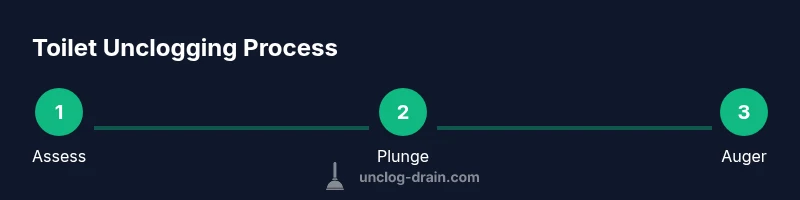
You will unclog a toilet by using mechanical methods first, then the auger if needed. Start with safety: shut off water, wear gloves, and use a proper seal when plunging. If the plunger fails, insert a toilet auger to clear the blockage without harsh chemicals. Most clogs respond to controlled plunging and a gentle auger pull.
What happens when a toilet clogs
To understand the plumbing process, you need to know what a clog actually is and why it backs up waste. When a toilet drain is blocked, water cannot move freely through the traps and pipes. The result is rising water in the bowl, possible slow drains in other fixtures, and, in worst cases, overflows. If you wonder how does a plumber unclog toilet, it begins with understanding the blockage. In most homes, clogs form from toilet paper, sanitary products, or mineral buildup near the trap or bend. The goal of a professional approach is to reestablish a clear path using mechanical means before resorting to chemicals. By recognizing the type of blockage, you can choose the right tool and technique and avoid damaging your porcelain or the seals that keep leaks at bay. According to Unclog Drain, most residential clogs respond to mechanical methods when performed calmly and methodically.
The plumber's approach and safety basics
Safety comes first when you’re dealing with a clogged toilet. Turn off the water supply at the shut-off valve behind the toilet, then flush once to lower the bowl level. Put on gloves, protective eyewear if available, and place towels around the base to catch spills. A professional mindset means assessing the blockage first, checking for signs of sewer gas, and planning the sequence of tools to use. This guide reflects typical plumbing practice and emphasizes mechanical methods over risky chemical treatments. According to Unclog Drain, starting with a controlled, careful plan reduces the chance of damage and mess.
Mechanical methods: plunger and snake explained
The plunger creates suction that can dislodge or move the clog when used correctly. A flange plunger provides a better seal for toilets than a flat cup plunger. Position the plunger to cover the drain opening completely, then push and pull with steady pressure for 15–30 seconds at a time. If water drains slowly or remains stubborn, switch to a toilet auger (closet snake). The auger is designed to reach past the trap and break up or hook the blockage. Remember, avoid forcing the cable through tight bends—gentle pressure and controlled twists work best.
When to reach for a toilet auger vs a snake
Toilet augers and handheld drain snakes are both effective, but they serve different roles. A toilet auger is built specifically for toilets and features a protective shield to prevent twisting damage to the porcelain; it’s ideal for moderate blockages near the rim. A flexible snake (handheld) is useful for longer runs or blockages beyond the trap but requires patience to avoid damage. Choose the tool based on how far the blockage sits from the drain opening and how resistant it feels when you turn the handle.
Safety, warnings, and chemical cleaners to avoid
Never mix chemical drain cleaners with other products or with mechanical tools. Harsh chemicals can create dangerous gases, damage pipes, and injure your skin and eyes. If you must use a cleaner, opt for a plumber-approved product and follow the label exactly, but remember that many clogs respond better to mechanical methods. If you notice sewage odor, unusual gurgling, or repeated clogs, stop DIY and call a licensed plumber.
Prevention and aftercare to keep toilets flowing
Once you’ve cleared a clog, commit to prevention: install drain screens, avoid flushing non-flushable items, and run hot water through the toilet periodically to help keep the trap clear. Regular maintenance reduces the odds of recurring problems. If your home experiences frequent clogs, it may indicate a broader issue such as tree roots in the line or a partial sewer blockage—these require professional assessment.
Authoritative References
- OSHA: https://www.osha.gov
- EPA: https://www.epa.gov/safewater
- NFPA: https://www.nfpa.org
Tools & Materials
- Flange plunger(Wide rubber cup; ensures a good seal on toilets)
- Toilet auger (closet snake)(3–4 ft length; navigate the bend without forcing)
- Gloves (rubber or nitrile)(Protect hands from waste and cleaners)
- Bucket(Catch overflow and keep area tidy)
- Flashlight(Bright light for visibility inside the pipe)
- Old towels or rags(Protect flooring and absorb spills)
- Utility knife or scissors(Optional for trimming material at the rim)
- Shop towels(Extra absorbent cleanup)
Steps
Estimated time: 30-60 minutes
- 1
Shut off water and prep the area
Locate the shut-off valve behind the toilet and turn it clockwise to stop the water supply. Flush briefly to empty the bowl if safe, then place towels around the base and set a bucket nearby. Put on gloves and flashlight to improve visibility.
Tip: Having towels ready helps prevent messy spills and makes the next steps smoother. - 2
Assess the clog and water level
Look into the bowl to estimate the blockage and water depth. If the water is actively rising toward overflow, pause and reassess rather than forcing the situation.
Tip: A calm assessment prevents splashes and reduces risk. - 3
Seal and plunge correctly
Place a flange plunger over the drain opening, ensuring a tight seal. Stand in a stable stance and use slow, controlled pushes and pulls for 15–30 seconds at a time.
Tip: Keep the seal intact; lifting the plunger too soon breaks suction. - 4
Try the auger if plunging fails
Insert the toilet auger into the drain and rotate the handle to feed the cable. Gently twist and push to break up the blockage, then retract to pull debris free.
Tip: Do not force the cable; resistance often means a sharper bend or solid blockage. - 5
Test the flush and inspect results
Remove the auger, flush once or twice to confirm clearance, and watch for smooth water flow. If water hesitates, stop and re-evaluate before trying again.
Tip: Run a little hot water to help flush loose material (if your plumbing allows). - 6
Handle stubborn clogs safely
If the blockage persists, avoid chemical drain cleaners as a first resort. Consider calling a professional plumber to prevent damage or sewer gas exposure.
Tip: Persistent clogs may indicate a sewer line issue that requires expert assessment. - 7
Prevent future clogs
Install a toilet screen, avoid flushing wipes or grease, and run hot water periodically to keep the trap clear. Schedule regular maintenance checks if your home experiences frequent clogs.
Tip: A simple prevention routine saves time and reduces risk.
Common Questions
What is the best order to unclog a toilet?
Begin with a flange plunger to seal and pump. If that doesn’t clear the blockage, switch to a toilet auger and feed the cable with gentle twists. Avoid chemical drain cleaners as the first option.
Start with the plunger, then try the auger if needed; avoid chemical cleaners as the first option.
Is it safe to use chemical drain cleaners?
Chemical drain cleaners can damage septic systems and pipes and release harmful fumes. They should not be the first line of defense for a toilet clog.
Chemicals can damage pipes and septic systems; use mechanical methods first.
When should I call a plumber?
Call a plumber if the clog persists after using a plunger and auger, if you hear sewer gas, or if multiple fixtures back up. A professional can diagnose pipe issues and prevent further damage.
Call a plumber if the clog remains after plunging and augering or you smell sewer gas.
Can a toilet clog be caused by venting problems?
Yes. A blocked vent can create slow drainage or backups. If you suspect venting issues, stop DIY attempts and consult a professional.
Blocked vents can cause drainage problems; seek professional help if suspected.
How can I prevent clogs in the future?
Install drain screens, avoid flushing non-flushable items, and periodically flush with hot water to keep the trap clear.
Use screens and proper disposal habits to prevent clogs.
Watch Video
Key Points
- Start with a proper plunger seal, not brute force.
- Use a toilet auger only after plunging fails.
- Avoid chemical drain cleaners as a first option.
- Call a plumber for persistent or recurring clogs.