Do Plumbers Unclog Toilets? A Practical DIY Guide 2026
Learn whether do plumbers unclog toilets, when to DIY, and how to safely unclog your toilet. This guide covers tools, steps, safety tips, and when to call a plumber for persistent clogs.


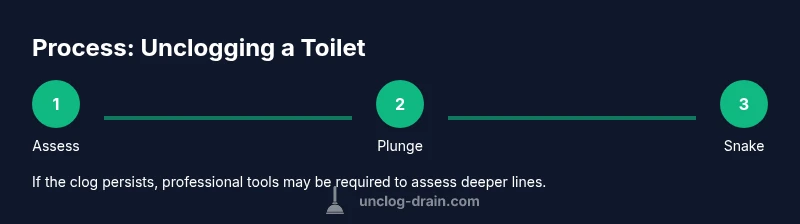
You can usually unclog a toilet yourself with a plunger or toilet auger. Start with a rubber plunger, use steady pressure and the correct technique, then try a toilet auger for deeper obstructions. Avoid chemical drain cleaners that can damage seals. If plunging and snaking fail or water backs up, call a licensed plumber.
Do plumbers unclog toilets: what homeowners should know
Toilet clogs are a common home plumbing headache that can disrupt daily life. Do plumbers unclog toilets? The short answer is that they often do, but many clogs can be addressed by homeowners with the right approach. A licensed plumber brings specialized tools, safety protocols, and expertise to diagnose whether the blockage is local to the toilet, in the drain line, or part of a larger sewer issue. This section dives into how professionals approach unclogging toilets, what signs indicate a problem, and how to prepare for a service call. Understanding the limits of DIY fixes helps protect your plumbing and avoid costly damage. As you work through common scenarios, you’ll see practical steps you can apply now and when to bring in a pro. The goal is to empower you to act confidently while recognizing when professional help is the safest choice for your home.
How plumbers approach unclogging toilets and what tools they use
When do plumbers unclog toilets, and what do they actually do? Professionals start with a quick assessment: is the clog in the toilet bowl, the trap, or further down the drain? They use a combination of mechanical tools, careful cleaning practices, and, if needed, camera inspection to locate the obstruction. The most common tools include a flange plunger for a tight seal, a toilet auger or flexible snake for deeper blockages, and protective gear to minimize exposure to waste. In some cases, hydro jetting or video inspection may be used to evaluate pipe conditions and ensure there are no hidden issues like a misaligned vent or tree roots intruding into the sewer line. Each step aims to clear the blockage thoroughly while preventing collateral damage to seals, gaskets, or the porcelain.
Common causes of toilet clogs and how to prevent them
To better combat clogs, it helps to understand their typical causes. Excess toilet paper, foreign objects accidentally dropped into the bowl, or a hard-water buildup on the trap can all create a blockage. In some homes, a partial clog in the drain line develops into a full obstruction after multiple flushes. Clogs can also stem from sewer line issues, such as a crushed or collapsed pipe, which require professional intervention. Preventive habits—such as flushing only appropriate items, using less toilet paper, and scheduling regular maintenance for septic systems or sewer lines—significantly reduce recurrence. If you notice repeated clogs, it’s time to inspect venting and drainage, as a nuisance can signal a bigger problem.
Do-it-yourself vs professional: when to call a plumber
DIY fixes work for minor, simple clogs, especially when you’re able to identify a straightforward obstruction near the toilet. However, if plunging and snaking don’t resolve the problem within a reasonable time, or if you observe gurgling, water backing up into sinks, or multiple fixtures affected, it’s prudent to call a plumber. Persistent clogs may indicate sewer line issues, venting problems, or a compromised P-trap that requires professional calibration and specialized equipment. Contractors can also identify safety concerns, such as sewage exposure risks, and provide a sanitation plan to prevent cross-contamination.
Safety, sanitation, and best practices during unclogging
Safety matters more than speed. Always wear gloves and eye protection when working around toilet waste, and avoid mixing household cleaners with each other or with bleach. Keep children and pets away from the work area and use disposable towels to manage spills. If you must use chemical cleaners, read labels carefully and never combine products, as some mixtures release toxic fumes. After clearing a clog, disinfect surfaces with an approved cleaner and wash your hands thoroughly. For septic systems, avoid enzyme-based products that can disrupt balance and consult your service provider for guidance.
Maintenance tips to prevent future clogs
Prevention begins with mindful flushing habits and routine drain care. Regularly inspect for signs of slow draining, avoid flushing non-degradable items, and consider installing a toilet screen to catch debris. Periodically check the P-trap under the toilet for leaks and ensure the vent stack is clear by observing air movement in other fixtures. If you have a septic system, schedule periodic pump-outs and avoid excessive use of toilet-cleaning chemicals. By combining good habits with a gentle maintenance routine, you’ll reduce the probability of future clogs and extend the life of your plumbing.
What to expect when hiring a plumber for a clogged toilet
If you hire a plumber, expect an initial assessment, a diagnostic plan, and a clear explanation of the proposed approach. The technician will confirm whether the clog is local or part of a larger drainage issue and explain any potential risks or needed follow-up work. A typical visit may involve using a plunger, toilet auger, or camera inspection to gauge the severity. After clearing the blockage, you’ll receive guidance on preventing future clogs, including recommended maintenance schedule and best practices for disposal. Remember to ask about any guarantees on the work and what steps to take if the issue recurs soon after service.
Quick troubleshooting steps you can try if water backs up
If wastewater starts to back up after flushing, act quickly and safely. Stop flushing to prevent overflow, remove water from the bowl with a mop or towel, and use a plunger with proper technique to attempt a second clearance. If available and appropriate, use a toilet auger to probe the drain line. Do not repeatedly flood the area with chemicals or flush aggressively, which can cause spray and contamination. If the blockage persists, evacuate the area and call a professional promptly to avoid damage or health risks.
Tools & Materials
- Flange plunger (toilet plunger)(Has a toilet-specific flange; provides a better seal for bowls)
- Toilet auger (plumber's snake)(3–4 ft length; choose a bend-resistant model)
- Rubber gloves(Nitrile recommended if you have latex sensitivity)
- Buckets and towels(For spills and cleanup after unclogging)
- Flashlight(Helpful for inspecting the drain and trap area)
- Safety glasses(Protect eyes from splashes)
- Mild detergent or soap(For cleaning the bowl after the clog is cleared)
Steps
Estimated time: 60-90 minutes
- 1
Assess the scene and prepare
Clear the area around the toilet, gather tools, and place towels to catch any spills. Check water level in the toilet tank and back-flush signs to determine the urgency. This helps you avoid making a bigger mess while you troubleshoot.
Tip: Have a trash bag handy for disposable wipes and to reduce contamination. - 2
Ventilate and protect
Open nearby windows or turn on a bathroom fan to diffuse any odors. Wear gloves and safety glasses to minimize exposure to waste and aerosols. A clean workspace makes the job safer and more comfortable.
Tip: Keep kids and pets out of the bathroom during the procedure. - 3
Create a seal with the plunger
Place the flange of the plunger into the toilet drain opening and ensure a tight seal around the rim. A good seal is essential for generating effective suction during plunging. If air leaks, reposition the plunger and try again.
Tip: Use a few inches of water to cover the plunger for better suction. - 4
Plunge with controlled strokes
Push down slowly and pull up with steady pressure, keeping the seal intact. Alternate direction and rhythm to avoid air pockets. Do this for 15-20 cycles before checking results.
Tip: Avoid rapid, forceful jabs that can splash and scatter waste. - 5
If plunging fails, try the toilet auger
Insert the auger into the toilet and gently rotate while feeding the cable toward the blockage. Stop if you feel resistance, then pull back a few inches and reinsert. The goal is to dislodge the obstruction without damaging the porcelain.
Tip: Do not force the auger; pushing too hard can crack the bowl. - 6
Test by flushing
Slowly flush the toilet to assess whether the clog has cleared. If water drains normally, continue flushing several times to ensure no secondary blockages remain. If the bowl still backs up, repeat the auger step or switch to a new approach.
Tip: Flush with the tank’s full water supply for best results. - 7
Cleaning up and sanitizing
Dispose of disposable materials, clean tools with soap and water, and sanitize the bowl area. Rinse towels and wipe surfaces. Proper cleanup reduces health risks and leaves the bathroom ready for use.
Tip: Sanitize the area before it dries to prevent lingering odors. - 8
Decide on next steps
If the clog remains or recurs, document the symptoms and schedule a professional inspection. A plumber can check for sewer line issues or venting problems that DIY methods can miss. Early professional assessment saves time and money.
Tip: Note any changes in drainage in other fixtures to aid diagnosis.
Common Questions
Can I unclog a toilet myself without calling a plumber?
Many simple clogs can be cleared with a plunger or toilet auger. If water backs up or plunging takes too long, or if you suspect sewer or venting problems, it’s safer to call a plumber. DIY fixes have limits when issues extend beyond the bowl.
Yes, you can often fix minor clogs yourself, but call a plumber if the issue persists or you suspect sewer problems.
What causes most toilet clogs?
Common causes include excessive toilet paper, non-flushable items, and mineral buildup in older pipes. Recurrent clogs may point to sewer line issues, venting problems, or a damaged P-trap that requires professional evaluation.
Too much toilet paper or objects stuck in the drain can clog a toilet, but recurring problems may mean a bigger issue.
Are chemical drain cleaners safe for toilets?
Most plumbers discourage routine chemical cleaners for toilets because they can damage seals, pipes, and septic systems if misused. If you must use them, choose products labeled safe for toilets and follow instructions carefully, avoiding mixing with other cleaners.
Chemicals can harm pipes and seals, so use them with caution or prefer mechanical methods.
When should I call a plumber for a clogged toilet?
Call a plumber if plunging and snaking don’t clear the clog after a reasonable effort, if multiple fixtures are affected, or if you hear gurgling from the pipes. A pro can diagnose sewer line or venting problems and prevent further damage.
If the clog persists after DIY efforts or you notice other drainage issues, contact a plumber.
How long does an unclogging job typically take?
A straightforward toilet unclogging can take around 30-60 minutes, depending on the obstruction and method used. More complex cases, especially those involving sewer lines or camera inspection, take longer.
Most quick fixes take under an hour, but complex issues need more time.
Watch Video
Key Points
- Start with a plunger before trying deeper tools.
- Escalate to a toilet auger if plunging fails.
- Avoid harsh chemical cleaners in toilets.
- Call a plumber for persistent or suspected sewer issues.
- Practice safe sanitation and maintenance to prevent future clogs.