How to Unclog an RV Toilet: Safe DIY Fixes That Work
Learn proven, camper-friendly methods to unclog an RV toilet using safe, effective techniques. This guide covers mechanical fixes, cleaners, and prevention to keep your RV bathroom flowing smoothly.


You can unclog an RV toilet using a combination of mechanical methods (plunger, toilet auger) and safe household cleaners. Start with non-toxic steps to clear waste and flush lines, then test for flow. If the clog persists, use a pro-rated approach and consider professional service for stubborn blockages before calling for help.
What makes RV toilet clogs different
According to Unclog Drain, RV setups have unique constraints that can make it tricky to unclog rv toilet without damaging seals. The small-diameter pipes, limited venting, and the way waste settles in holding tanks all contribute to clogs that form faster after travel or rough roads. In a motorhome or trailer, a clog can escalate from a minor backup to a sanitation issue if not addressed promptly. Understanding these constraints helps you choose the safest, most effective unclogging approach and reduces the risk of leaks or tank damage. By approaching the problem with patience and the right tools, you protect the seals, the plumbing, and the overall campsite experience.
If you’re planning trips or already on the road, keep this knowledge handy so you can act quickly and confidently when a blockage occurs.
Tools and materials you’ll need
Before you start, gather the following items so you won’t have to pause mid-task:
- Flange plunger (required true) — a medium-sized plunger designed for toilets
- RV toilet auger (required true) — a compact, flexible snake suitable for small-diameter RV pipes
- Rubber gloves (required true) — to protect hands from waste and bacteria
- Bucket or tray (required true) — for catching any waste or water
- RV-safe enzyme-based toilet cleaner (optional) — gentler on seals than harsh chemicals
- Paper towels or rags (required true) — for quick cleanup
- A small amount of hot water (not boiling) — helps loosen buildup without shocking plastics
Optional but helpful: a flashlight for better visibility inside the bowl and pipes.
Safety note: never mix cleaners and always ventilate the space when using products.
How to approach the unclogging process (overview)
This section provides a high-level plan you can follow in sequence. It’s designed to minimize risk to seals and tanks while maximizing your odds of restoring flow. Start with mechanical methods, which are safer for RV systems; escalate to cleaners only if necessary. Always test the flush after each major step before moving on. If you ever feel resistance or hear unusual sounds, pause to re-evaluate to avoid damage.
The goal is to restore flow without forcing material deeper into the plumbing or rupturing seals. Time and patience often beat aggressive chemical methods in RV setups.
Safer, homeowner-friendly methods before chemicals
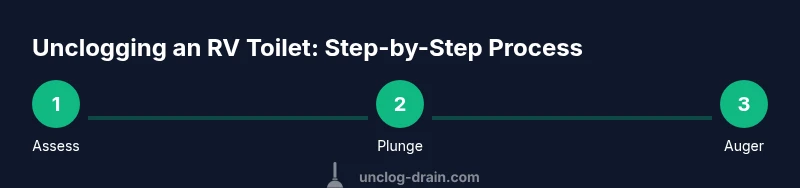
Mechanical methods are your first line of defense. Begin with a flange plunger, using steady, perpendicular pressure to create a seal and push back the clog. If that fails, switch to a compact toilet auger to hook and retrieve or break up the blockage. For all methods, keep the water level appropriate (not overflowing) and monitor the bowl’s water level as you work. Avoid pouring large volumes of hot water or chemical cleaners into an RV toilet in a confined space, as this can stress gaskets and seals and pose a sanitation risk.
As you continue, rinse with a small amount of clean water to observe whether the flow improves. If you hear gurgling or see no change after multiple attempts, it’s time to move to the next technique with proper care.
Chemical cleaners vs mechanical methods: what works best
In RV plumbing, it’s generally wiser to rely on mechanical methods first, since chemical cleaners can be harsh on seals, gaskets, and the holding tank. If you choose a cleaner, opt for enzyme-based products or RV-safe formulas that break down waste without damaging plastics. Use cleaners sparingly and never mix different products. A short soak with a gentle enzyme-based cleaner can help, but avoid relying on powerful caustics in tight spaces where fumes and residue may linger.
Always follow the product’s instructions and test after treatment. If the blockage remains, switch back to mechanical methods rather than piling on chemicals that could worsen the problem later.
Troubleshooting common RV clog scenarios
Common causes include paper products intended for household toilets, toilet pads, or wipes flushed down the RV toilet, as well as mineral buildup in the trap and hoses. Travel can also move debris into the sewer hose, creating a temporary blockage. If you’re experiencing repeated clogs, inspect the venting and ensure the seal at the base is intact. Look for slow drainage after partial flushes, which can indicate a partially blocked line.
If the blockage is in the trap or flush valve area, a carefully used auger or a well-placed plunge may be enough to clear it. If the stopping point is deeper in the black-water tank line, professional guidance is wise to avoid damaging the tank sensors or seals.
Maintenance and prevention to extend RV toilet life
Prevention starts with mindful usage: only flush toilet paper designed for RVs, avoid wipes, and keep the tank contents well-maintained with appropriate treatments. Regular inspections of seals, gaskets, and hoses help catch issues before they turn into blockages. Keep a small supply of RV-safe cleaners on hand for routine cleaning and occasional flushes, especially after long trips. A simple sanitation routine can prevent buildup and keep the system flowing smoothly on your next adventure.
Tools & Materials
- Flange toilet plunger(Choose a medium-sized plunger with a flange designed for toilets; test fit to your RV bowl.)
- RV toilet auger(A compact, flexible head that reaches into the trap without damaging the bowl.)
- Rubber gloves(Keep hands clean and protected from bacteria.)
- Bucket or tray(Use for catching water and debris; prevents mess in the RV.)
- RV-safe enzyme-based cleaner(Optional; gentler on seals than harsher cleaners.)
- Paper towels or rags(For quick cleanup and surface drying.)
- Hot water (not boiling)(Helps loosen buildup; avoid boiling water to protect plastics.)
Steps
Estimated time: 30-60 minutes
- 1
Prepare and safety check
Put on gloves, clear the surrounding area, and ensure you have good ventilation. Place the bucket nearby and have towels ready. Confirm wastewater containment in the holding tank is appropriate for the planned steps to avoid spills.
Tip: Ventilate the RV bathroom; fumes from cleaners can be potent in a small space. - 2
Seat the plunger and create a seal
Position the flange plunger over the bowl hole to form a tight seal. Apply steady pressure straight down to push against the clog, using long, even strokes without breaking the seal.
Tip: Keep the plunger fully submerged for optimum suction and pressure. - 3
Attempt plunging cycles
Make 8–12 firm plunges, pausing briefly between cycles to observe any signs of flow improvement. If water remains stagnant, proceed to the auger.
Tip: If water backs up, pause to avoid overflow and re-check seal fit. - 4
Use the RV toilet auger
Insert the auger into the toilet, extending it slowly until you feel resistance. Gently rotate and push to engage the clog, then retract to pull out debris.
Tip: Do not force the auger; a careful pull reduces risk of pipe or seal damage. - 5
Flush test and observe
Flush the toilet with a controlled amount of water. Watch for clear flow and no backflow. Repeat if required, but stop if you hear gurgling or feel resistance.
Tip: Use small volumes of water at a time to avoid overwhelms. - 6
Apply enzyme-based cleaner if needed
If the clog was organic buildup and water flow is weak but improving, apply a RV-safe enzyme cleaner according to label directions. Let it sit for the recommended time before flushing again.
Tip: Avoid mixing with other cleaners; enzyme products need dwell time. - 7
Re-check for remaining blockage
After the cleaner, perform another flush test. If the bowl still drains slowly or remains blocked, proceed with professional guidance or a deeper inspection.
Tip: Document any signs (color, odor) that may indicate deeper issues. - 8
Cleanup and sanitation
Disassemble tools, sanitize the bowl and surrounding surfaces, and rinse the area. Make sure all gear is dry and stored properly to prevent odor buildup.
Tip: Sanitize your gloves and wash hands thoroughly after handling waste.
Common Questions
What common causes lead to RV toilet clogs?
Most RV toilet clogs result from flushable items that aren’t RV-friendly, paper buildup, or buildup inside the trap and hoses. Travel motion can push debris into narrow lines, creating blockages that escalate if not addressed promptly.
RV clogs usually come from non-RV-friendly items, paper buildup, or buildup in the trap and hoses. Traveling can push debris into narrow lines, so start with safe, mechanical steps.
Can I use household chemical drain cleaners in an RV toilet?
Most standard drain cleaners are too harsh for RV seals and hoses. Use RV-safe or enzyme-based cleaners only if you decide to use cleaners at all, and never mix cleaners.
Most regular drain cleaners are harsh for RV parts. Use RV-safe cleaners or enzymes and never mix products.
Is it safe to use a toilet auger in an RV?
Yes, a compact toilet auger designed for RVs is safe when used carefully. Insert slowly, avoid forcing the head, and always inspect the area for damage before and after use.
An RV-specific toilet auger is safe if used gently and with careful inspection before and after.
When should I call a professional for an RV toilet clog?
If you cannot restore normal flow after two solid mechanical attempts or if you notice leaks, persistent gurgling, or tank sensor issues, seek professional help.
Call a pro if the toilet won't clear after multiple mechanical attempts or if you see leaks.
How can I prevent RV toilet clogs during trips?
Flush only RV-safe toilet paper, avoid wipes, and maintain a regular cleaning routine with enzyme cleaners. Check seals and hoses periodically, especially after long trips.
Prevent clogs by using RV-safe paper, avoiding wipes, and keeping up with routine cleaning.
What’s the best order of steps for an RV clog?
Start with plunging, then the auger, flush tests between steps, and finish with a preventive cleaner if needed. Always keep water levels controlled to avoid overflow.
Begin with plunging, then auger, test flush, and finish with prevention if needed.
Watch Video
Key Points
- Identify RV-specific clog risks and address them safely
- Start with mechanical methods to protect seals and tanks
- Use RV-safe cleaners only when needed and carefully
- Test flush after each step to gauge progress
- Prevent clogs with mindful usage and routine maintenance