How to unclog black tank on RV: A complete, safe guide
Learn how to unclog the black tank on your RV with a safe, step-by-step method. This guide covers causes, safety, tools, maintenance, and prevention to keep your RV toilet flowing smoothly.


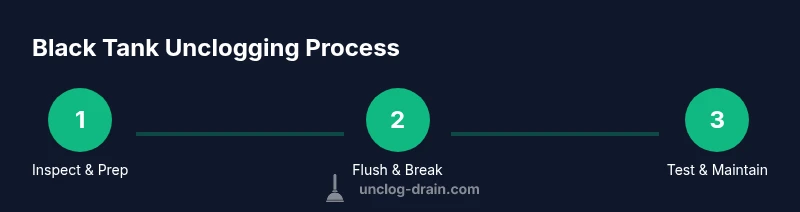
This guide shows you how to unclog the black tank on an RV using safe, proven steps and common tools. You’ll learn to inspect, flush, break up solids, and maintain the tank to prevent future clogs. Key requirements include protective gear, an RV-safe cleaner, and a basic auger or snake.
What causes a black tank clog in an RV
If you own an RV, you may encounter clogs in the black tank (the waste holding tank). Understanding the causes helps you prevent future problems. According to Unclog Drain, the most common causes are paper that doesn’t dissolve, leftover solids like fats and coffee grounds, and infrequent tank flushing. In RVs, the combination of limited water for rinsing and variations in usage can accelerate buildup. Poor venting and improper chemical use can compound the issue, leading to slow drainage or backups. By recognizing these factors, you can tailor your maintenance routine to your travel schedule and tank size, reducing the likelihood of a stubborn clog.
Unclog Drain Analysis, 2026, emphasizes that regular, gentle cleaning and mindful waste management are more effective than aggressive chemical treatments. This section sets the stage for practical steps you can take today to protect your RV’s black tank.
Safety and preparation
Before you begin, protect yourself and your vehicle. Wear heavy-duty rubber gloves and safety goggles to shield against splashes and fumes. Work in a well-ventilated area and keep a bucket of clean water nearby. If you’re connected to city water, disconnect the hose to avoid backflow. Do not mix cleaning agents unless the product instructions explicitly permit it, and follow all RV manufacturer guidelines for the black tank and waste system. If you notice a strong odor or a leak, stop and reassess to avoid exposure or damage. A calm, methodical approach reduces the risk of splashes and accidental releases, which is especially important when handling septic wastes and chemical cleaners.
Tools and supplies you'll need
- PPE: rubber gloves (heavy-duty) and safety goggles (required)
- Bucket or container for liquid handling (required)
- RV-safe tank cleaner or enzymatic treatment (required)
- Sewer hose and proper dump station connectors (required for external flushing)
- Plunger or toilet plunger (optional, recommended for stubborn clogs)
- Auger or snake designed for RV toilets (required)
- Fresh water source for rinsing (required)
- Towels or rags for cleanup (optional but helpful)
Having these items ready before you start helps keep the process smooth and minimizes the chance of messy interruptions.
Step-by-step method to unclog the black tank (overview)
This section provides a structured approach you can follow. The goal is to break up solid buildup, flush residue from the lines, and maintain a clean tank that stays clear between trips. You’ll combine mechanical methods (plunging and snaking) with a controlled flush and a preventative treatment. Always prioritize safety and take your time to avoid damaging fittings or sensors. The steps below are designed to be practical for typical RV setups and can be adapted to different tank sizes and configurations.
Maintenance and prevention for a happier RV toilet
Prevention is far easier than repair. After you’ve cleared a clog, establish a routine that keeps the black tank flowing freely. Regularly flush with clean water, use an RV-safe enzymatic cleaner to break down waste, and avoid disposing of non-dissolvable materials. Use only toilet paper designed for RVs, and keep chemical products within the recommended concentrations to protect seals and sensors. Keep a clear dump schedule aligned with your travel routine, and inspect vents and hoses for signs of backup or leakage. A consistent maintenance plan saves time and reduces the risk of future clogs, odors, and tank damage.
Troubleshooting common issues and quick fixes
If you still notice slow drainage after a flush, re-check waste levels and confirm the black tank valve is fully open during dumping. A partial obstruction may require a second pass with the auger. For persistent odor, re-evaluate ventilation and consider a fresh-water rinse to push odors toward the dump station. Always verify that the wand or flush system is delivering adequate water pressure to the tank lines. If problems persist after trying these steps, it may be time to consult a professional technician who specializes in RV sanitation systems.
Tools & Materials
- Heavy-duty rubber gloves(Protect hands from waste and cleaners)
- Safety goggles(Eye protection from splashes)
- Bucket or container(Catch rinsate and waste liquid)
- RV-safe enzymatic tank cleaner(Use as directed for maintenance)
- Sewer hose with proper connectors(For safe dumping and flushing)
- Toilet plunger (RV-specific)(Useful for breaking up minor clogs)
- Auger or snake for RV toilets(Directional snake designed for RV use)
- Fresh water hose for rinsing(Rinse tank and lines thoroughly)
- Towels or rags(Clean up drips and spills)
Steps
Estimated time: 60-90 minutes
- 1
Prepare and safety check
Put on gloves and goggles. Disconnect any city water supply and ensure the dump station area is clear. Position yourself so you can access both the black tank valve and the flush outlets without bending awkwardly. This setup reduces the risk of splashes and ensures you can work steadily.
Tip: Take a quick photo of hose connections before disconnecting so you can reassemble correctly. - 2
Open the black tank valve and start flushing
Open the valve wide and allow clear, fresh water to flow into the tank. If your system includes a flush wand, connect it and run water through the tank for several minutes to loosen built-up waste.
Tip: Keep the water flowing to avoid splash-back; never crush the hose or bend fittings during flushing. - 3
Break up stubborn solids with an auger
Carefully insert the RV-specific auger into the tank outlet and rotate to engage the blockage. Gently push forward and retract to dislodge compacted material without forcing the line.
Tip: Never use a metal rod; damage to tanks or fittings can occur. Work slowly to feel resistance and back off if you meet solid resistance too firm. - 4
Flush again and monitor
Reconnect the flush wand or hose and run water through the tank again for several minutes. Check the flow and listen for a sign of improved drainage. If water still pools, repeat the auger step or try a second flush with enzymatic cleaner following the product guidance.
Tip: If you hear gurgling or see backflow at the toilet, stop and reassess the setup—backflow can indicate a deeper issue. - 5
Treat and deodorize
Add an RV-safe enzymatic tank cleaner to the black tank per label directions. This helps break down solids and reduces odors between dumps. Do not mix with incompatible chemicals.
Tip: Allow the cleaner to sit for the recommended dwell time before the next flush for best results. - 6
Final rinse and test
Do a final thorough rinse with fresh water, then dump at the station to verify the tank empties completely. Reconnect all hoses and store equipment properly. Note any recurring issues for future maintenance.
Tip: Keep records of each maintenance cycle to detect patterns and plan preventive care.
Common Questions
Can you unclog a black tank on an RV without removing it?
Yes. Many clogs can be cleared with flushing, an auger, and enzymatic cleaners. If the blockage is deep or the tank won’t drain after multiple attempts, stop and consult a professional.
Yes, you can often unclog without removing the tank by flushing and snaking, but persistent blocks require professional help.
What should you avoid flushing in an RV black tank?
Avoid paper towels, feminine hygiene products, wipes, and excessive cooking fats. Use RV-grade toilet paper only and dispose of waste at approved dumping stations.
Avoid flushing non-dissolvable items and rely on RV-safe toilet paper to prevent clogs.
Is enzymatic cleaner safe for septic RV tanks?
Yes. Enzymatic cleaners help break down waste in a septic system when used as directed. They are typically gentler on seals and hoses than harsh chemicals.
Enzymatic cleaners are generally safe for RV septic systems when used as directed.
How often should you flush the black tank?
Flush the black tank after each trip or every few days of use, depending on tank size and usage. Regular flushing reduces buildup and odors.
Flush it regularly, especially after trips, to keep lines clear.
When should I call a professional?
If you’ve tried multiple methods without improvement, notice persistent odors, leaks, or sensor errors, a professional RV sanitation specialist can diagnose deeper issues.
If problems persist after safe troubleshooting, get a professional to inspect the system.
Can a bad vent cause black tank clogs?
Yes. A blocked or malfunctioning vent can disrupt airflow and drainage, contributing to clogs. Inspect the vent and ensure it’s clear.
Vent problems can worsen clogs; check that the vent is clear and functioning.
Watch Video
Key Points
- Inspect regularly to catch issues early
- Use RV-safe products and proper flush techniques
- Follow a consistent maintenance routine for the black tank
- If in doubt, seek professional RV sanitation service