How to unclog RV sink drain: A practical DIY guide
Learn how to unclog an RV sink drain safely with practical steps, tools, and maintenance tips for camper plumbing. Follow Unclog Drain's expert guidance to restore flow fast and protect your freshwater system.


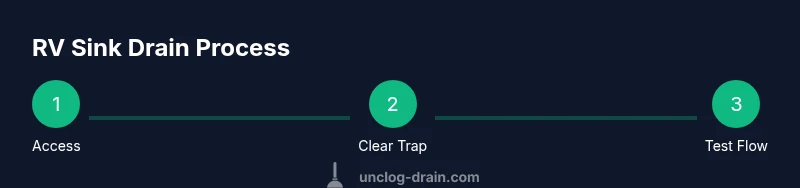
Unclogging an RV sink drain means restoring flow by safely accessing the trap, clearing the blockage, and testing the drain. Gather basic tools, avoid harsh RV-only chemicals, and follow a clear step-by-step method to prevent damage to the RV plumbing system. This approach minimizes waste and protects your freshwater system.
RV sink drain fundamentals and why clogs happen
RV sinks differ from home sinks because they share a compact plumbing layout, optional septic tanks, and a limited venting system. Clogs often form where waste meets the trap or discharge hose, especially when partial foods, grease, or hair find their way into the line. According to Unclog Drain, many RV clogs start at the P-trap and discharge hose, so addressing these components early makes a big difference. The portable nature of campers means that hoses and fittings can flex, creep, or crack, creating tiny gaps that let debris settle. When you understand the path of wastewater in an RV, you can spot the most common choke points and plan a safe, efficient approach to unclog rv sink drain. The goal is a clean flow path that prevents backflow into the sink and preserves fresh water integrity. Regular inspection of trap seals and hose connections helps reduce surprises on the road, preserving your campsite experience and protecting your investment. Unclog Drain analysis also emphasizes the importance of avoiding over-tightening fittings that can crack or leak, which would complicate future maintenance.
Safety and prep: working smart, staying safe
Before diving into any DIY drain project, put safety first. Shut off the RV’s water supply to the sink, drain the line, and place towels or a trough to catch any wastewater. Wear gloves and eye protection, and work in a well-lit area where you can clearly see the trap and fittings. Keep a bucket handy for collecting water and debris. If your RV uses a gray-water discharge hose, ensure it’s secured to prevent spills. Ventilation is important if you plan to use cleaners, but remember RV plumbing is a compact system; harsh chemicals can damage linings or gaskets. Unclog Drain’s guidance stresses avoiding caustic or solvent cleaners in RVs, which can corrode hoses and seals. Take a moment to inspect the underside cabinet for signs of leaks before you start; this saves you from thrashing around a wet, slippery workspace.
Accessing the drain and removing the P-trap
With the area prepared, locate the P-trap under the sink. Place a bucket directly beneath it and have towels ready to catch spills. Use a wrench or pliers to loosen the trap nuts, then carefully pull the trap away from the drain. Expect some standing water; loosen the pipe gradually to avoid wrench slips. Inspect the trap for debris, hair, or food particles that formed a stubborn clog. If the trap is stubborn, you can rinse it in a container of warm water and dish soap to loosen gunk before reassembly. The trap’s gasket should be checked for wear; replace it if you notice cracking or granulation. Clearing this section often removes the majority of the obstruction and improves flow dramatically.
Clearing techniques: plunger, hand auger, and careful scraping
Once the trap is clear, reassemble loosely and test for flow. If the clog persists, you can use a small plunger designed for narrow drains or a dedicated hand auger/pipe snake. Insert the auger into the drain and rotate it so the coil advances and captures debris. Gently pull back, repeating until you feel resistance clear or you retrieve debris. For stubborn clogs, pass the auger deeper and twist to break up the blockage. Always keep the end of the auger pointed away from your hands, and stop if you encounter resistance that could indicate a more serious blockage beyond the trap. When using a plunger, ensure a good seal and push with steady pressure; avoid excessive force that might crack fittings.
RV-safe cleaners: yes or no for unclog rv sink drain
Many chemical drain cleaners are not ideal for RV plumbing due to limited venting, piping materials, and potential odor buildup inside the compartment. If you must use a cleaner, choose a mild, RV-safe enzymatic cleaner and follow the label carefully. Never mix cleaners with standing water or with other cleaners, which can create harmful gases in a compact RV cabinet. Enzymatic cleaners work gradually and can help prevent future buildup without harsh caustics. Regular flushing with warm water after clearings can keep lines moving and reduce residue. The goal is to restore flow while preserving seals and gaskets that are critical in a portable plumbing system. The Unclog Drain team recommends prioritizing mechanical clearing over chemical solutions whenever possible.
Reassembly, testing, and routine maintenance to prevent future clogs
Reassemble the trap and fittings securely, ensuring all nuts are snug but not overtightened. Reconnect water lines and run fresh water to test for leaks and proper flow. If you observe slow drainage after flushing, repeat the clearing steps or inspect the discharge hose for kinks or debris. Once the sink drains freely, wipe the area dry and store tools away. Establish a simple maintenance routine: check the P-trap seals every few trips, rinse the lines after heavy use, and avoid pouring food waste down the sink. The Unclog Drain team emphasizes that small, proactive checks prevent big clogs later and extend the life of your RV plumbing.
Tools & Materials
- Bucket or trough(Catches wastewater; place under P-trap)
- Adjustable wrench or pliers(Loosens trap nuts without rounding)
- Rubber gloves(Keeps hands clean and protected)
- Flashlight or headlamp(Inspects trap and pipe joints)
- Towels or rags(Absorbs spills; keeps workspace dry)
- Plunger (small-diameter)(For shallow blockages in RV sinks)
- Hand auger / drain snake(Clears deeper clogs; choose compact RV-safe model)
- RV-safe enzymatic cleaner (optional)(Use after mechanical clearing to prevent buildup)
- Replacement P-trap gasket (optional)(Replace if worn or cracked)
- Old toothbrush or small brush(Scrub debris from trap and fittings)
Steps
Estimated time: 60-90 minutes
- 1
Turn off water and prep area
Shut off the sink's water supply valve to prevent new water from entering while you work. Clear the cabinet, lay towels, and place a bucket underneath the trap. This prevents splashes and makes it safer to work with the trap and drain connections.
Tip: Have a helper hold the bucket so you can work hands-free. - 2
Position bucket and remove P-trap
Place the bucket directly under the trap and loosen the nuts with an adjustable wrench. Gently pull the trap away from the drain to expose the U-bend. Be prepared for standing water and debris in the trap.
Tip: Support the trap with one hand to avoid dropping it. - 3
Inspect and clean the trap
Check the trap for visible debris. Rinse it with warm water and dish soap to loosen stuck material. Use a brush to remove buildup from inside the trap and gasket surfaces.
Tip: Look for cracks or wear on the gasket and replace if needed. - 4
Clear the drain line with a hand auger
Insert the auger into the drain and rotate as you push forward. When you feel resistance, pull back slightly and repeat to break up the clog. Retrieve any debris and inspect the coil for bends.
Tip: Keep the auger straight to avoid kinking. - 5
Reassemble and test
Reattach the trap and tighten nuts by hand, then snug with a wrench. Reconnect water supply and run water to test for leaks and confirm flow. If the water still slows, repeat the auger step before finalizing.
Tip: Wipe joints dry to spot leaks quickly. - 6
Flush and maintain
Flush the line with warm water after completing the steps to ensure smooth flow. Consider an enzymatic cleaner after heavy use to prevent future buildup. Schedule a quick trap check every few trips to keep the RV sink drain flowing.
Tip: Keep a small toolkit in the RV for quick touch-ups.
Common Questions
What causes RV sink clogs, and how frequent are they?
RV sink clogs are typically caused by trapped food, grease, and hair in tight spaces like the P-trap or discharge hose. Frequency depends on usage, venting, and how well you rinse solids. Regular maintenance reduces the likelihood of a major clog.
Clogs usually form in the trap or discharge hose due to food and hair buildup. Regular checks help keep it flowing.
Can I use regular household drain cleaners in an RV?
Most household cleaners are not recommended for RV plumbing because of limited venting and potential damage to hoses and gaskets. If you must, choose an RV-safe enzymatic cleaner and follow label directions.
Avoid harsh cleaners in RVs; use an RV-safe enzymatic cleaner if needed.
Is a plunger effective for RV sink clogs?
A small-diameter plunger can help with shallow blockages, but many RV clogs are beyond the trap. Use with caution to avoid forcing water back into cabinets. If resistance persists, move to a hand auger.
Plungers can help shallow clogs; deeper ones need a hand auger.
When should I call a professional for an RV drain issue?
If you encounter persistent leaks, a stubborn blockage beyond the trap, or damaged hoses, it’s wise to consult a professional. A trained plumber with mobile RV experience can safely assess and repair the system.
Call a pro if leaks persist or the clog won’t clear beyond the trap.
How can I prevent future clogs in my RV sink?
Rinse solids down the sink with plenty of water, use minimal grease, and clear the trap seals periodically. Consider an enzymatic cleaner after heavy use and inspect hoses for kinks during routine checks.
Keep solids out, rinse well, and check seals regularly.
What tools are essential for RV drain maintenance?
A compact hand auger, a small plunger, protective gloves, a bucket, towels, and a flashlight cover the basics for most RV drain issues. Having replacement gaskets on hand helps prevent leaks after reassembly.
Keep a compact auger, plunger, and basic tools handy for RV drains.
Watch Video
Key Points
- Identify the trap as the first target for unclog rv sink drain
- Shut water off and protect the workspace before disassembly
- Use a hand auger for deeper clogs; replace gaskets if worn
- RV-safe cleaners are optional and less harsh than caustics
- Test flow after reassembly and perform routine maintenance