How to Quickly Unclog a Sink: A Practical DIY Guide
Learn proven, safe methods to quickly unclog a sink with step-by-step instructions, essential tools, and preventive tips from Unclog Drain, your DIY drainage guide for kitchen and bathroom sinks.


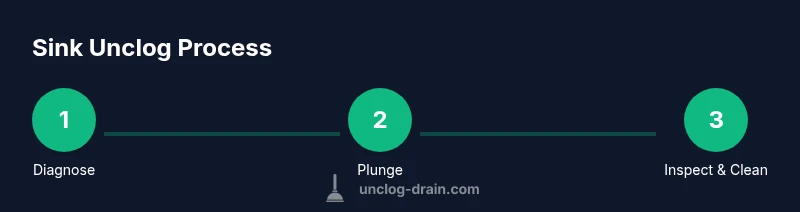
To quickly unclog a sink, follow a simple, hands-on sequence using common tools. Start with a quick diagnostic to identify the blockage, then use mechanical methods (a plunger or a drain auger) before trying enzymatic cleaners. If the clog persists or you smell gas or standing water, stop and seek professional help.
Quick diagnosis: identify clogs and symptoms
Not every clog looks the same. Before you reach for tools, observe how the water behaves and what might be causing it. A partial drain that slows over time differs from a full backup that fills the sink quickly. According to Unclog Drain, most bathroom sinks clog from hair, soap, and toothpaste buildup, while kitchen sinks often collect food particles and grease. Gurgling sounds, standing water, and water backing up into the tub indicate a blockage in the drain line rather than a loose stopper. By noting where the water drains slowly, you can tailor your approach and avoid unnecessary disassembly. This quick diagnosis helps you choose a safe, effective method and reduces the chance of making the clog worse while you search for the right tool. Hairy clogs in bathroom sinks, and grease-heavy clogs in kitchens, respond differently to methods, so a precise assessment saves time and effort.
Safety and initial assessment before you dive in
Safety first. Start by turning off the faucet shutoff or main supply if you notice leaks or you will be working near wet surfaces. Put on gloves and eye protection. Clear the area, use a bucket to catch water, and keep towels handy. Never mix chemical drain cleaners with other cleaners or with bleach; fumes can be dangerous and can damage pipes. If you detect a gas smell, sewage backup, or persistent backups after basic steps, stop and call a licensed plumber. The Unclog Drain team emphasizes patience and caution; rushing can worsen clogs or cause leaks. A calm approach lets you apply the right technique and reduces the risk of damage to pipes.
Mechanical methods explained: plunger, drain snake, and manual removal
Mechanical methods rely on physical force to dislodge the blockage. A plunger creates suction to break up the clog and push it through the pipe system. A hand auger or drain snake penetrates deeper into the trap and beyond, breaking or retrieving hair and debris. For best results, use a cup plunger for sinks and cover the overflow if present to maximize pressure. Manual removal of visible debris from the stopper or strainer can also clear the path. The aim is to restore a clear water path without introducing new contaminants into your plumbing. When used correctly, these tools clear most everyday clogs without harsh chemicals, protecting your pipes and fixtures from unnecessary wear.
Step-by-step action plan for a quick fix
- Clear the area and put a bucket under the trap to catch water. 2) Remove the stopper or strainer to access the drain. 3) If present, loosen the P-trap nuts and inspect for debris. 4) Clean the trap and reconnect it securely. 5) Try a plunger, fully covering the drain and pumping firmly. 6) If plunging doesn’t clear the drain, insert a drain snake and twist while advancing into the pipe. 7) Rinse with hot water to flush debris and test drainage. 8) If still clogged, consider enzymatic cleaners or consult a professional. Tip: Work slowly and keep a dry towel nearby. This plan emphasizes a logical progression from surface area access to deeper pipe work with minimal disruption.
If the trap or pipes are involved: cleaning and reassembly
The P-trap is a common place for clogs to accumulate. After removing it, wipe the interior with a cloth to remove gunk and hair. Reconnect the trap with clean washers and ensure all joints are tight to prevent leaks. Run water to test for leaks and confirm a steady flow. If you notice corrosion, cracks, or persistent leaks after reassembly, stop and contact a professional plumber. Regular cleaning of the trap can prevent future buildup and maintain proper drainage. Proper trap maintenance also helps you spot leaks early and prevent mold growth under sinks.
Enzymatic cleaners and chemical options: safety and effectiveness
Enzymatic cleaners break down organic clogs over time and are generally gentler on pipes than chemical drain cleaners. They work best as a preventive measure or for light organic buildup, not for tough, established blockages. If you opt for chemicals, choose products compatible with your pipes and use as directed, never mixing with other cleaners. For stubborn clogs, a mechanical approach or professional service is often the safer and faster route. Always ventilate the area and wear gloves when handling cleaners. Enzymatic cleaners are slow-acting but can be effective for routine maintenance when used regularly.
Preventive maintenance that keeps sinks flowing
Keep hair, food debris, and soap scum from building up by using a drain screen and regular cleaning of the stopper. Run hot water or a baking soda and vinegar flush every so often to slow organic buildup, and avoid pouring grease down the kitchen sink. Periodically inspect under the sink for leaks and check the P-trap for corrosion or wear. By making small, regular habits part of your routine, you can reduce the frequency of clogs and avoid emergency fixes. Establish a simple weekly ritual: screen, rinse with hot water, and inspect for leaks. A proactive approach saves time and stress.
Choosing the right method for kitchen vs bathroom sinks
Bathroom sinks usually clog from hair and toothpaste; kitchen sinks from food waste and grease. If you have a single-basin kitchen sink with a garbage disposal, your approach may differ; flush through the disposal after clearing the trap. For bathroom sinks, a cup plunger plus targeted snaking may be enough. Evaluate the layout of your plumbing, the type of clog, and the age of the pipes to decide between plunging, snaking, or enzyme cleaners. When in doubt, start with a safe mechanical approach and escalate only if needed. Keeping a small toolkit handy ensures you can switch methods as soon as the first results appear.
Quick recovery: test and verify the drain after unclogging
Once the drain runs freely, flush it with a few liters of hot water (or flush at least a few times if you have a disposal) to move any residual debris. Listen for changes in sound or gurgling, which may indicate remaining partial blockages. If you notice recurring clogs within days or weeks, it’s worth examining the wider plumbing network for tree roots or sewer line issues. Documenting how often clogs occur can help you discuss solutions with a plumber and plan preventive measures.
Tools & Materials
- Plunger (cup or flange)(Choose a size appropriate for your sink)
- Drain snake / hand auger(6- to 15-foot flexible auger)
- Bucket(Place under P-trap to catch water)
- Gloves(Rubber or latex for hygiene)
- Old towels or rags(Keep surroundings dry)
- Flashlight(Inspect inside pipes)
Steps
Estimated time: 40-60 minutes
- 1
Prep and safety
Turn off the cold-water supply if you notice leaks; clear the area and lay towels. Put on gloves and eye protection to prevent splash injuries.
Tip: Check for gas smells or sewage backups; if present, evacuate and call a pro. - 2
Gain access to the drain
Remove the sink stopper or strainer to access the drain. If needed, use a flashlight to inspect for visible hair or debris.
Tip: Keep a small tray nearby to collect any loose parts to avoid misplacing them. - 3
Inspect the P-trap
Place a bucket under the trap and loosen the nuts to remove the trap; check for debris and clean it out.
Tip: Note how the trap is oriented to reassemble correctly. - 4
Clean and reassemble the trap
Clean the interior of the trap, reinstall with new washers if needed, and tighten the nuts securely.
Tip: Wipe away any soap scum to prevent immediate re-soiling. - 5
Plunge for a quick push
Seal the overflow, if present, and plunge with steady, forceful strokes to dislodge the clog.
Tip: If no movement after 20-30 seconds, switch to a drain snake. - 6
Snake into the pipes
Insert the snake, rotate while advancing to break up the clog; retrieve slowly and clean debris from the head.
Tip: Avoid forcing beyond the clog; resistance may indicate a deeper blockage. - 7
Rinse and test
Flush with hot water and run the tap to ensure steady flow; observe for any backups.
Tip: If performance is still poor, stop and reassess before proceeding. - 8
Plan next steps
If the clog persists, consider enzymatic cleaners or schedule a professional inspection.
Tip: Document symptoms to share with a plumber if needed.
Common Questions
What is the first sign my sink is clogged?
Slow drainage, standing water, or gurgling sounds indicate a clog; assess before disassembling pipes.
If your sink drains slowly or backs up, you likely have a clog. Start with a quick diagnostic.
Can I use chemical drain cleaners?
Chemical cleaners can damage pipes and fixtures and aren’t effective on all clogs. Consider mechanical methods first.
Chemicals can harm pipes; use mechanical methods first.
How long should I try plunging before moving to a snake?
If plunging doesn’t clear the drain after about 30 seconds, move to a drain snake or auger.
If plunging doesn’t work after a short time, try a snake.
What if the clog is in the trap?
If you find debris in the P-trap, clean it out; reattach securely and test the drain.
Check and clean the P-trap, then test the drain.
When should I call a plumber?
If you have a repeated clog, sewage backup, or suspect sewer line trouble, it’s time to call a plumber.
Persistent clogs or backups require a plumber.
Do enzymatic cleaners work?
Enzymatic cleaners can help with organic clogs over time but are not instant fixes for stubborn blockages.
Enzymatic cleaners work gradually, not instantly.
Watch Video
Key Points
- Assess the clog before tools.
- Prioritize mechanical methods over chemicals.
- Inspect and clean the P-trap for quick wins.
- Escalate to enzymes or professionals if needed.
- Adopt preventive habits to reduce future clogs.