Easily Unclog Sink: Step-by-Step DIY Guide
Learn practical, step-by-step methods to easily unclog a sink using common tools and safe cleaners. This Unclog Drain guide covers plungers, snakes, traps, and prevention to keep drains flowing.


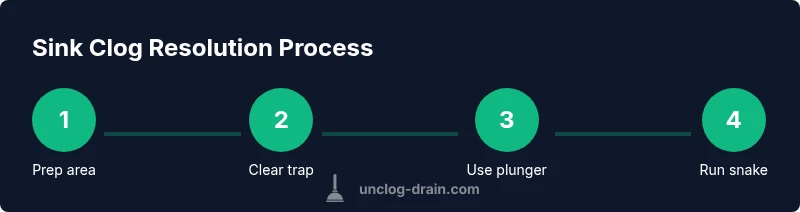
You can easily unclog a sink by following a quick sequence: start with a plunger to loosen the blockage, inspect and remove the P-trap if needed, use a drain snake for deeper clogs, then flush with hot water. If chemicals are considered, prefer enzyme-based cleaners and avoid mixing products. Always wear gloves and protect surfaces.
Why sinks clog and how to diagnose
Sinks clog for several reasons, with common culprits including hair, soap scum, and grease. In bathroom sinks, hair and soap residue are frequent offenders, while kitchen sinks often collect food particles and fats. A quick diagnosis helps you choose the most effective approach. According to Unclog Drain, noting where water drains slowly can reveal whether the problem lives in the trap, the drain line, or the shared plumbing. If multiple fixtures are affected, the clog may be upstream in the main line, and you should proceed with caution or call a professional. Look for standing water, gurgling sounds, and slow drainage as early clues.
When you suspect a localized clog, start with mechanical methods before turning to cleaners. If you’re unsure, perform a simple test by filling the sink with a small amount of water and observing whether it drains normally after each method. Keeping notes helps you decide whether to escalate the remedy or pause and reassess.
Quick checks you can perform before tools
Before you reach for tools, take a few quick steps that can save time and mess. Boil water and slowly pour it down the drain to loosen soap scum and grease (do not use boiling water on PVC pipes if you’re unsure about their temperature tolerance). Check the sink’s stopper and see whether it’s fully open or partially blocked. Remove any visible debris from the surface with a rag or sponge. If you have two sinks sharing a drain, test each basin independently—some clogs are localized, not shared.
If the water remains stagnant after these checks, it’s time to try a mechanical method. Prepare your towels and bucket so you can catch and contain dirty water during trap inspection. Remember to protect the counter and floor, as dealing with clogs often creates splatter.
Mechanical methods: Plunger and plunger variants
A good first step is using a plunger designed for sinks. Ensure a solid seal by selecting a cup plunger or a bell-shaped plunger with a flange. Plunge with firm, up-and-down strokes to create pressure that dislodges the clog. If the water drains slowly but not completely, pause, wipe the rim, and try again with a few longer strokes. For stubborn clogs, a second approach—starting with filling the sink halfway—can help create a stronger seal and pressure.
Tip: Keep the drain clear of standing water; add just enough water to cover the plunger bell and avoid splashing. If plunging fails after several cycles, move to a snake to reach deeper into the piping.
Clearing with a drain snake or hand auger
A drain snake is designed to reach clogs beyond the trap. Insert the auger into the drain and rotate the handle while advancing slowly. When you feel resistance, gently push and pull to break up the blockage. Retrieve the snake carefully to avoid pushing debris further into the line. Re-insert and repeat as necessary until the flow improves.
For under-sink access, a compact snake can be more practical than a long model. After clearing, slowly retract the snake to avoid carrying debris back into the trap. Then flush with hot water to wash away loosened material.
Chemical and enzymatic cleaners: safe usage
Chemical drain cleaners can dissolve clogs quickly but pose risks to pipes, seals, and your health. Enzymatic cleaners are gentler and can be effective after you’ve mechanically cleared the clog. If you choose a cleaner, follow the label exactly and avoid mixing products, especially with bleach or ammonia. Allow the cleaner to sit for the recommended time before flushing with water; this is often more effective when used as a preventive step rather than a primary remedy.
Always ventilate the area and wear gloves when handling chemical cleaners, and never mix cleaners in a closed space. If you detect a strong chemical odor or experience coughing or dizziness, stop and seek fresh air or professional assistance.
Under-sink inspection: traps, vent, and overflow
If the trap is corroded or blocked, remove it to clear the debris inside. Place a bucket beneath the P-trap, loosen the nuts with an adjustable wrench, and inspect for blockages. Clean the trap thoroughly and reassemble securely. If there’s an overflow from the sink, inspect the overflow channel or use the snake again to clear its path.
Check the vent line for kinks or blockages if you’re comfortable climbing or using a flashlight. A blocked vent can slow drainage or cause gurgling sounds. Reassemble and run hot water to verify steady flow.
Maintenance and prevention to keep sinks flowing
Preventing clogs is simpler than clearing them. Use a strainer or stopper to catch hair, food particles, and debris. Run hot water down the drain periodically (weekly for high-use sinks) to dissolve fats and soap buildup. Be mindful of what goes down the drain—avoid pouring cooking grease or coffee grounds, and clean drains after heavy use. Periodic enzyme cleaners can help maintain a healthy microbial balance in the pipes without harsh chemicals.
By combining mechanical clearing with proactive maintenance, you reduce recurring clogs and extend the life of your plumbing. The Unclog Drain team emphasizes consistent care as the most reliable defense against clogs and backups.
Tools & Materials
- Sink plunger (flat-bottom or bell-shaped with flange)(Ensure a good seal for the sink drain)
- Drain snake / hand auger(Choose a compact model for under-sink access)
- Bucket(Catch water when removing the trap)
- Gloves (rubber or nitrile)(Protect hands from grime and cleaners)
- Adjustable wrench(Only if you need to remove the P-trap)
- Old towels or rags(Protect surfaces and soak spills)
- Enzyme-based cleaner (optional)(Use after mechanical clearing to prevent future clogs)
- Vinegar and baking soda (optional)(Natural cleaners; do not mix with bleach)
Steps
Estimated time: 45-90 minutes
- 1
Prepare the area and safety gear
Put on gloves and lay towels to catch spills. Clear the area under the sink, remove any stored items, and place a bucket beneath the trap area. Ensure you have access to tools and a clear workspace before starting.
Tip: Wear eye protection if you’re concerned about splashes; a small flashlight helps locate the trap. - 2
Inspect and remove the P-trap
Place the bucket under the trap, then loosen the nuts with a wrench. If the trap is full of gunk, clean it out or replace it if corroded. Reattach securely and test for leaks before proceeding.
Tip: Clean the trap thoroughly; a clogged trap is a common source of slow drainage. - 3
Plunge the drain system
Position the plunger to seal the drain and pump it up and down with steady pressure. Check if water starts to drain; if not, repeat several cycles. If the clog yields, continue to the next method.
Tip: Use just enough water to cover the plunger bell for maximum suction. - 4
Use a drain snake for deeper clogs
Insert the auger into the drain and rotate the handle while advancing slowly. When you feel resistance, push a bit harder, then pull back to break the blockage. Retrieve debris slowly and repeat if needed.
Tip: Keep the snake aligned with the drain to avoid scraping the pipe walls. - 5
Reassemble trap and flush
Reinstall the P-trap, ensure all joints are tight, and run hot water for several minutes to clear any remaining debris. If water still backs up, consider repeating steps or moving to enzymatic cleaners.
Tip: Check for leaks after reassembly by running water and watching the joints closely. - 6
Optional enzyme cleaner and preventive steps
If used, apply enzymatic cleaner according to label instructions and allow it to work before running more water. Finish with a weekly hot-water flush and a drain screen to prevent future clogs.
Tip: Enzymatic cleaners are best used as maintenance after clearing a clog, not as the sole remedy.
Common Questions
Will a plunger work on hair clogs in a bathroom sink?
Yes, plungers can dislodge many hair clogs in bathroom sinks. Achieve a good seal and use steady up-and-down motions. If it fails after several attempts, try a drain snake.
Plungers often fix hair clogs in a bathroom sink. If it doesn’t work after a few tries, move to a snake.
Can I use chemical drain cleaners?
Chemical cleaners can be effective but pose risks to pipes and your health. Use them sparingly, read the label, never mix with other cleaners, and prefer enzymatic options when possible.
Chemical cleaners can work, but they can be harsh. Use them carefully and avoid mixing with other products.
How do I know if the clog is in the main sewer line?
If several fixtures drain slowly or back up, the blockage may be in the main line. In this case, stop using water and consider calling a plumber.
If several drains are slow, the clog could be in the main line. Call a pro if it doesn’t clear.
Is it safe to remove the P-trap?
Removing the P-trap is common for inspection and cleaning. Use a bucket and wear gloves, then reassemble securely to prevent leaks.
Yes, removing the P-trap is usually safe with the right precautions.
How long does a clogged sink fix usually take?
Most clogs respond within an hour when you follow the right sequence and use both mechanical and cleaning approaches as needed.
Most fixes take about an hour if you follow the steps.
When should I call a plumber?
If repeated attempts fail, or water backs up in multiple fixtures or you smell sewage, it’s wise to contact a professional.
Call a plumber if it won’t clear after several tries or you notice sewer smells.
Watch Video
Key Points
- Assess the clog location before starting.
- Prioritize mechanical clearing before cleaners.
- Reassemble traps and test flow after work.
- Prevent future clogs with regular maintenance.
- Ventilate when using cleaners and wear protective gear.