What to Unclog Sink Drain: A DIY Guide
Learn practical, step-by-step methods to unclog a sink drain safely, with tools, tips, and when to call a professional. Unclog Drain provides a clear approach for kitchen and bathroom sinks.


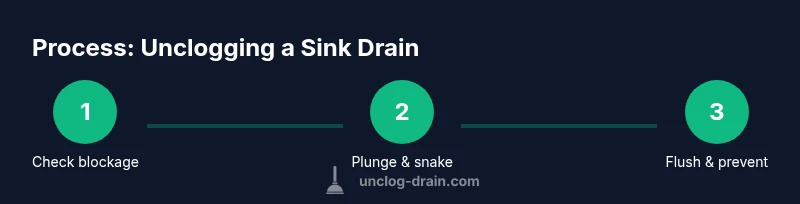
To unclog a sink drain, start by removing standing water, then try a plunger, followed by a drain snake if needed. Use baking soda and hot water as a flush. Inspect and possibly disassemble the P-trap if the clog remains. Avoid chemical cleaners on PVC pipes, and call a professional for stubborn, deep-seated clogs.
Why this matters: what to unclog sink drain and why it matters
If you're wondering what to unclog sink drain, here's a practical guide from Unclog Drain. Clogs in sinks are surprisingly common and can stem from everyday use—hair, soap scum, grease, and debris that accumulate in the trap and drain lines. Small blockages can grow when damp waste sticks to the interior surfaces, reducing drainage speed and inviting odors. The Unclog Drain team emphasizes that addressing clogs early preserves pipes, prevents leaks, and avoids messes that damage cabinets and flooring. By understanding the typical failure points—P-traps, trap arm, and the drain line—you can choose the right approach and avoid over-torquing fittings. Regular maintenance and mindful disposal habits dramatically reduce recurrence, especially in homes with hard water or older piping.
Common causes and diagnosis: what to unclog sink drain usually involves
The most frequent culprits are hair, soap scum, cooking grease, and mineral buildup that accumulate at the trap or inside the drain line. In bathrooms, hair and soap scum often form compact masses in the P-trap. In kitchens, grease and food particles cling to the pipe walls. A simple diagnosis starts with observing water flow and listening for gurgling sounds. If water backs up on one side but not the other, you may have a partial clog in the trap or horizontal drain line. According to Unclog Drain, diagnosing the location—trap vs. downstream pipe—helps tailor the approach and reduces unnecessary disassembly.
Tools, setup, and safety basics: what you need before you begin
Set up a clean workspace and gather your tools so you can work efficiently without spills. Wear gloves and eye protection, and place a bucket under the P-trap to catch water and debris. A bright flashlight helps inspect inside the drain, while a towel or old rags protect nearby surfaces. Having a few common household items on hand—plunger, drain snake (auger), baking soda, vinegar, and hot water—lets you tackle most clogs with minimal mess. Always start with the gentler mechanical methods before resorting to harsher chemicals, especially on PVC pipes.
Mechanical methods first: plungers and snakes
Mechanical methods are typically the safest and most effective first-line tools for unclogging a sink drain. A flange plunger creates a tight seal and can dislodge minor blockages with firm, controlled strokes. If plunging fails, a hand-cranked drain snake can reach deeper into the drain to break up or hook the clog. Snaking is especially useful for bathroom sinks where hair tends to accumulate near the trap; for kitchen sinks, a longer snake may be needed to reach grease pockets. Safety note: never force equipment; gentle, sustained pressure works best and reduces pipe damage risk.
Chemical cleaners: when to use and when to avoid
Chemical drain cleaners can provide quick relief for some clogs, but they pose risks to pipes and the environment, especially with older metal piping or PVC. Use only as a last resort, following label directions precisely, and never mix chemicals with other cleaners. Ventilate the area well and wear protective gear. If the clog persists after chemical treatment, stop and switch to mechanical methods or call a professional. For most household clogs, physical methods offer safer, predictable results.
Aftercare, prevention, and maintenance tips
Once the drain clears, flush the line with hot water to push residues out of the pipes and reduce immediate re-clogging. Periodic maintenance—like running hot water down the drain, using baking soda and hot water monthly, and keeping hair and grease out of the sink—significantly lowers recurrence. For multi-sink setups, ensure all joints are tight, and inspect the P-trap for leaks or corrosion. By adopting simple habits, you can maintain better flow and prolong pipe life.
When to call a professional: recognizing limits
If you’ve tried the standard methods without success, the clog may be beyond an easy DIY fix, located in the main sewer line, or involve a damaged pipe. In such cases, a licensed plumber can diagnose using specialized tools like a video camera inspection and provide safe, code-compliant solutions. The Unclog Drain team recommends contacting a pro for persistent backups, strong odors, or repeated clogs despite routine maintenance.
Tools & Materials
- Sink plunger (with proper flange)(Choose a cup plunger for bathroom sinks; use a flange plunger for kitchen sinks to seal better)
- Drain snake / auger(A hand-cranked model is sufficient for most households)
- Bucket(To catch standing water and debris)
- Gloves and eye protection(Protect hands and eyes from spills)
- Flashlight(Inspect inside the drain and P-trap)
- Adjustable wrench(Useful if you need to loosen clamps or remove the P-trap)
- Baking soda(Pour 1/2 cup for a flush after clearing)
- Vinegar (optional)(Used in combination with baking soda for fizzing action)
- Hot water kettle or pot(Flush residues after mechanical methods)
Steps
Estimated time: 45-60 minutes
- 1
Gather tools and prepare the workspace
Collect the plunger, drain snake, bucket, gloves, flashlight, and cleaning towels. Clear the area, lay down towels to catch splashes, and unplug any nearby electrical devices. This prep reduces mess and makes the process smoother.
Tip: Having everything within reach saves time and reduces spillage. - 2
Remove standing water and position the bucket
If water covers the bottom, use a cup or sponge to remove excess water into the bucket. Place the bucket directly under the P-trap to catch water when you loosen fittings later. This step prevents drips from soaking the cabinet.
Tip: Keep a rag ready for any sudden spills while you work. - 3
Seal the overflow and create a good plunger seal
If your sink has an overflow hole, cover it with a wet cloth to improve suction. Position the plunger over the drain, ensuring a tight seal. Push and pull without lifting the plunger completely to build pressure and dislodge the clog.
Tip: A proper seal makes all the difference in force transmission. - 4
Plunge the drain thoroughly
With steady, controlled thrusts, plunge for 20-30 seconds, then pause to check drainage. Repeat several cycles. If water begins to drain, you’re breaking through the blockage.
Tip: If air hisses, reposition for a better seal and try again. - 5
Try the drain snake for deeper reach
Insert the snake into the drain and rotate the handle to hook or break up the clog. Push gently, advancing a few inches at a time, then withdraw to see debris. Repeat until you feel resistance ease.
Tip: Avoid forcing the snake; friction can damage pipes. - 6
Flush with hot water and baking soda
After clearing, pour hot water and 1/2 cup baking soda down the drain to help loosen remaining residue. Rinse with more hot water to push debris through the system. This helps reduce immediate re-clogging.
Tip: Never use boiling water on PVC pipes if you’re unsure of pipe age. - 7
Inspect and test; clean up
Remove the bucket and check the trap for any signs of stubborn debris. Reassemble if you had to disconnect parts. Run water to confirm a steady drain and no leaks.
Tip: Keep a few minutes to observe for leaks after reassembly.
Common Questions
What is the simplest method to unclog a sink drain?
Typically, a flange plunger followed by a drain snake clears most clogs. If water drains slowly after mechanical methods, flush with hot water and a baking soda rinse. Avoid chemical cleaners as the first option.
Start with plunging, then try a snake. If needed, flush with hot water and baking soda, and avoid chemicals as the first option.
Can I use baking soda and vinegar to unclog a sink drain?
Baking soda and vinegar can help with minor buildup and are safer for many pipes than strong cleaners. This duo creates a fizz that may loosen the clog, but it often isn’t enough for stubborn blockages.
Baking soda and vinegar are a safer option for light clogs, but won’t always fix tough problems.
Is it safe to disassemble the P-trap myself?
Yes, disassembling the P-trap is a common DIY step to remove trapped debris. Be prepared for dirty water, and have a bucket ready. Reassemble tightly to prevent leaks.
Yes, you can remove the P-trap, but have a bucket ready and reassemble tightly.
What if the clog is in the main sewer line?
If multiple fixtures back up or odors persist, the clog may be downstream. A professional plumber can diagnose with specialized tools and clear the line safely.
If multiple drains back up or you smell sewer gas, call a plumber.
When should I call a professional?
Call a professional if plunging and snaking don’t clear the clog, if you suspect a main sewer issue, or if you notice persistent leaks or pipe damage. A licensed plumber provides safe, code-compliant solutions.
Call a pro if DIY methods fail or you suspect a broader plumbing problem.
Are chemical drain cleaners safe for kitchen sinks?
Chemical cleaners can damage seals or pipes over time and pose safety risks. Use sparingly and only as a last resort after trying mechanical means.
Chemicals should be a last resort due to potential damage and fumes.
Watch Video
Key Points
- Identify the blockage location before disassembly
- Prioritize mechanical methods: plunger then snake
- Reserve chemical cleaners as last resort
- Flush with hot water and baking soda after clearing
- Prevent future clogs with routine maintenance