How to Unclog a Sink: Step-by-Step DIY Guide
Learn safe, proven steps to unclog a sink using plunger, snake, and simple DIY methods. This in-depth guide covers causes, safety, tools, step-by-step actions, maintenance, and troubleshooting for quick, reliable results in 2026.


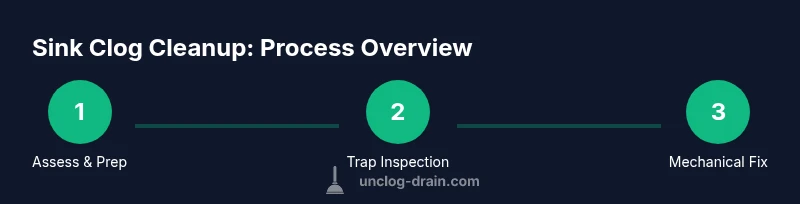
By following this guide, you will successfully unclog a sink using safe, kitchen-friendly methods. Gather a plunger, plumbing snake, bucket, old towels, gloves, and basic cleaners. Start by clearing the trap and removing standing water, then employ mechanical methods (plunger or snake) before repeating with hot water. Avoid chemical cleaners for most clogs. If the blockage persists, consider professional help.
Why sinks clog and what this guide covers
In this guide on how to unclog sink, you’ll learn safe, practical methods that work on most household drains. Sinks clog for a range of reasons, from kitchen grease to bathroom hair, and the best fix often starts with mechanical methods rather than harsh chemicals. According to Unclog Drain, common residential clogs stem from everyday use and routine buildup, which means a systematic approach will save time and money. This article explains the why behind clogs, when to try simple fixes, and how to escalate if needed. You’ll find a clear path from preparation to maintenance, with real-world examples and checklists to help homeowners confidently solve blockages without professional help in 2026. Whether you’re dealing with a stubborn kitchen drain or a slow bathroom sink, the same principles apply: identify the blockage, choose a safe method, execute with care, and verify flow before closing up. By the end, you’ll understand how to unclog sink using tools you already own.
Why sinks clog and what this guide covers
In this guide on how to unclog sink, you’ll learn safe, practical methods that work on most household drains. Sinks clog for a range of reasons, from kitchen grease to bathroom hair, and the best fix often starts with mechanical methods rather than harsh chemicals. According to Unclog Drain, common residential clogs stem from everyday use and routine buildup, which means a systematic approach will save time and money. This article explains the why behind clogs, when to try simple fixes, and how to escalate if needed. You’ll find a clear path from preparation to maintenance, with real-world examples and checklists to help homeowners confidently solve blockages without professional help in 2026. Whether you’re dealing with a stubborn kitchen drain or a slow bathroom sink, the same principles apply: identify the blockage, choose a safe method, execute with care, and verify flow before closing up. By the end, you’ll understand how to unclog sink using tools you already own.
Tools & Materials
- Plunger (cup or flange)(Choose a size that covers the drain opening for a good seal)
- Plumbing snake / auger(3-6 ft length is typical for sinks)
- Bucket(To catch water and debris during trap work)
- Old towels or rags(Contain splashes and protect the surrounding area)
- Adjustable wrench(Useful for loosening trap slip nuts if needed)
- Flashlight(Inspect the trap and pipes clearly)
- Gloves (rubber or nitrile)(Keep hands clean and protected)
- Dish soap(Helpful as a lubricant for the plunger or snake)
- Baking soda and white vinegar(Natural cleaners for mild buildup; not a heavy-clog fix)
- Hot water(For flushing after clearing; avoid boiling on PVC)
Steps
Estimated time: 60-90 minutes
- 1
Prepare the area and clear water
Clear the countertop, place a bucket beneath the trap location, and remove standing water with a cup or sponge. This creates a safer, cleaner work environment and helps you judge when the clog clears.
Tip: Have towels ready for spills and use gloves for hygiene. - 2
Inspect the P-trap
Place a bucket under the trap, then use a wrench to loosen the slip nuts and remove the trap. Look for hair, food particles, or soap scum inside the trap and clean it out with a brush.
Tip: Cleaning the trap often resolves many clogs without further steps. - 3
Reassemble the trap and test drainage
Reattach the trap securely and run water to see if it drains freely. If water still stands, proceed to a mechanical method rather than forcing additional disassembly.
Tip: Ensure all connections are snug but not overtightened to prevent leaks. - 4
Use the plunger for the drain
Position the plunger to seal the drain fully and push and pull with steady force for 15-30 seconds. Breaks in the seal or air leaks reduce effectiveness, so adjust as needed and repeat as necessary.
Tip: Keep a small amount of water to maintain suction; more water improves pressure. - 5
Try the plumbing snake
Insert the snake into the drain and rotate the handle to grab or break up the obstruction. When you feel resistance, rotate and pull back debris, then flush with water.
Tip: Advance slowly to avoid damaging pipes; retract the snake occasionally to clear debris. - 6
Flush and confirm flow
Pour hot (not boiling) water or a mild cleaning solution and run the faucet to flush the line. Observe strong drainage and no more gurgling or backups.
Tip: If slow drainage returns, stop and reassess rather than forcing more pressure. - 7
Recheck traps and joints
With everything reassembled, check for leaks and ensure the entire drain path is dry after a test run. Tighten any loose joints and wipe away residual moisture.
Tip: A quick dry check can prevent unseen leaks after use. - 8
Final test and cleanup
Run cold water for a couple of minutes to ensure stable drainage and clean the work area. Put tools away neatly and note any parts that may need maintenance soon.
Tip: Keep a simple maintenance plan to prevent future clogs.
Common Questions
What is the quickest way to unclog a sink?
Start with a sink-plug plunger and use steady force for 15-30 seconds. If water still pools, inspect the trap and then try a snake. Most cases resolve with these mechanical methods.
Begin with a plunger, then check the trap and use a snake if needed. This usually clears many clogs.
Can baking soda and vinegar help unclog a sink?
Baking soda and vinegar can loosen minor buildup and freshen the drain, but they rarely fix solid blockages. Use as a gentle step before more aggressive methods.
Baking soda and vinegar can help a little, but they’re not a cure for stubborn clogs.
Are chemical drain cleaners safe for my pipes?
Most chemical cleaners are harsh and can damage PVC pipes, seals, and the environment. Use them only as a last resort and follow the label precisely.
Chemicals can damage pipes; use them only if you have to and follow instructions closely.
How do I remove and clean the P-trap under my sink?
Place a bucket underneath, loosen the slip nuts with a wrench, and lower the trap. Clean out debris, then reassemble snugly and test for leaks.
Take off the trap, clean it out, reattach securely, and test for leaks.
When should I call a plumber?
If you can’t clear the clog with mechanical methods, or if multiple drains back up or you notice sewage odors, stop and call a licensed professional.
If it won’t budge after trying the steps, it’s time to call a pro.
What can I do to prevent clogs in the future?
Use a drain strainer, avoid pouring grease or coffee grounds down the drain, and flush the line with hot water regularly. Periodic maintenance reduces the chance of future clogs.
Keep a strainer in place and flush with hot water to prevent blockages.
Key Points
- Identify clog causes to choose the right method
- Mechanical fixes are safe and effective for most sinks
- Inspect and clean the P-trap regularly
- Avoid daily chemical cleaners; use mechanical methods first
- Prevent clogs with routine maintenance and preventative habits