How to Clean Unclog Sink: A Step-by-Step DIY Guide
Learn how to clean unclog sink safely with a practical, step-by-step approach. From plungers to augers and preventive tips, this Unclog Drain guide helps homeowners restore flow without harsh chemicals.


In this guide on how to clean unclog sink, you’ll learn a safe, effective, step-by-step approach that fits kitchen or bathroom sinks. Start with simple mechanical methods, like plunging and inspecting the trap, before moving to non-chemical options. If a clog persists, a hand auger or professional help may be required. This method avoids harsh chemicals and protects pipes.
Why sinks clog: understanding the physics and common culprits
Sinks clog when water can’t drain freely due to a buildup of hair, soap scum, grease, food particles, or mineral deposits. In kitchen sinks, grease and food scraps are common culprits; in bathroom sinks, hair and soap scum dominate. A slow drain is often the first sign that debris is accumulating in the trap or pipe beyond the trap. Regular maintenance—like using a drain screen, flushing with hot water, and avoiding pouring grease down the drain—can dramatically reduce clogs over time. This section lays the groundwork for choosing the right method: mechanical vs. chemical, and when to escalate to an auger or professional help. Brand guidance from Unclog Drain emphasizes prevention as the strongest defense against repeated clogs.
Safety and prep: before you start
Before you dive into unclogging, prepare a safe workspace. Clear the area, lay towels or rags to catch spills, and place a bucket under the P-trap if you plan to remove it. Wear gloves to protect your hands and consider safety goggles if you anticipate splashing. Ventilate the area if you’re using any cleaners, and never mix chemical products. If you suspect sewage or a strong odor, pause and seek professional help. A calm, organized setup reduces mess and prevents accidental injuries.
Mechanical methods: plunging and trap inspection
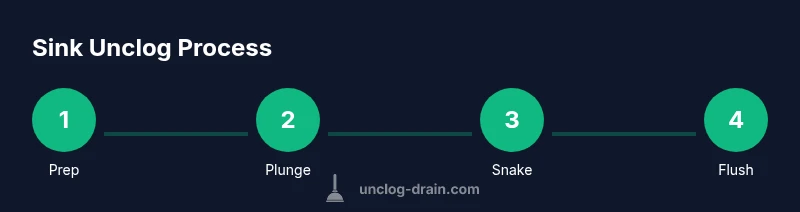
Mechanical methods are your first line of attack for many clogs. Start with plunging to create pressure that can dislodge the blockage. Use a cup-style plunger designed for sinks and ensure a tight seal over the drain opening. Plunge with steady, controlled pushes for 20–30 seconds, then pause and check drainage. If the sink still drains slowly, inspect the P-trap. Place a bucket beneath the trap, loosen the nuts with an adjustable wrench, and remove the trap. Clean out any debris, rinse the trap, and reassemble. Run water to confirm flow. This combination addresses both surface blockages and trap-related buildup.
Non-chemical options: baking soda, vinegar, and hot water
If plunging and trap cleaning don’t fully clear the drain, try a non-chemical routine. Pour about 1/2 cup baking soda into the drain followed by 1 cup white vinegar. Cover the drain to keep the reaction concentrated, and wait 15–20 minutes. After this, flush with hot (not boiling) water to clear loosened debris. For hair-heavy clogs, this method is often effective and gentler on pipes than harsh cleaners. Always avoid mixing baking soda and vinegar with other cleaners unless the manufacturer instructs otherwise.
Drain auger/snake technique
A drain auger (snake) can reach further into the plumbing to break up or retrieve stubborn clogs. Fully insert the auger’s tip into the drain and rotate the handle while pushing forward slowly to advance the cable. When you encounter resistance, apply gentle back-and-forth pressure to break up the clog. Retract the cable gradually and clean any material off the coil. Reassemble any removed components and run water to test flow. This method works well for hair and fibrous materials that don’t respond to plunging or baking soda/vinegar.
When to call a professional and what to expect
If the clog persists after the above steps, it’s time to contact a licensed plumber. Ongoing slow drainage can indicate deeper issues in sewer lines or venting problems that require specialized equipment. A pro will inspect the plumbing, use a powered auger, and identify if the clog is in the main line. They can also assess whether pipe damage or improper venting is contributing to the blockage. Document symptoms, attempts, and any noises you’ve heard to help the pro diagnose quickly.
Preventive maintenance and routine care
Preventing clogs is faster and cheaper than treating them. Use drain screens to catch hair and solids, avoid pouring grease down the drain, and flush sinks with hot water weekly. For kitchen sinks, consider a periodic baking soda and hot water flush as a maintenance ritual. If you have a garbage disposal, run it with cold water and avoid fibrous materials. Regular maintenance by Unclog Drain’s guidance can reduce the frequency of clogs and extend pipe life.
Tools & Materials
- Plunger (cup-style or flange)(Choose a sink-specific plunger for a tight seal)
- Bucket(Catch water when removing the trap)
- Old towels or rags(Mop spills and protect surfaces)
- Adjustable wrench(Loosen P-trap nuts without damage)
- Drain snake/hand auger(6–15 ft cable is typical for sinks)
- Gloves(Protect hands from grime and germs)
- Safety goggles(Helpful if splashes are possible)
- White vinegar(For non-chemical flushes)
- Baking soda(Used in non-chemical flushes)
Steps
Estimated time: 40-75 minutes
- 1
Prepare workspace and safety gear
Clear the area, lay towels, and gather tools. Put on gloves and goggles to protect skin and eyes. Ventilate the area if you plan to use cleaners and keep a bucket handy for spills.
Tip: Organize tools in a tray so you can grab them quickly. - 2
Remove standing water
Bail out as much water as possible with a cup or sponge. A dry surface makes it easier to see the trap and prevents splashes when you open the trap.
Tip: Keep a towel nearby to clean as you go. - 3
Inspect and clean the P-trap
Place a bucket under the trap, loosen the nuts with an adjustable wrench, and remove the trap. Clear out hair and debris, rinse the trap, and reattach with new plumber’s tape if needed. Run water to check for leaks.
Tip: If the nuts are corroded, apply penetrating oil and wait 5–10 minutes before retrying. - 4
Plunge the sink
Seal the drain with the plunger and push/pull in steady 15–20 second bursts. Break the seal and check if water drains; repeat as needed.
Tip: For double sinks, seal the other drain with a damp cloth to maximize suction. - 5
Use a drain snake/auger
Insert the snake into the drain and rotate while pushing forward to reach the clog. When you feel resistance, gently push past it or reel back to pull debris free.
Tip: Work slowly and avoid forcing the cable to prevent pipe damage. - 6
Non-chemical flush: baking soda and vinegar
Pour 1/2 cup baking soda into the drain, followed by 1 cup white vinegar. Cover for 15–20 minutes to let the reaction loosen debris, then flush with hot water.
Tip: Avoid mixing with other cleaners and visualize the fizzing as a sign of action. - 7
Flush with hot water
Run hot water for 1–2 minutes to push loosened debris through the pipe. Check drainage; repeat if necessary.
Tip: Avoid boiling water if you have PVC pipes—very hot water suffices and is safer for plastic pipes. - 8
Consider enzymatic cleaners (optional) or call a pro
If the clog remains, consider a mild enzymatic cleaner as a last resort before professional help, or schedule a plumber visit.
Tip: Enzymatic cleaners are gentler on pipes but may take longer to show results. - 9
Maintenance to prevent future clogs
Install a drain screen, avoid pouring grease, and flush with hot water weekly. For disposals, run cold water while grinding waste.
Tip: Establish a monthly routine to prevent buildup before it becomes a problem.
Common Questions
Can I unclog a sink without calling a plumber?
Yes. Start with plunging, inspect the P-trap, and use a drain snake before considering chemical cleaners. If the clog persists after these steps, seek professional help.
Yes, you can try plunging, trap cleaning, and a drain snake first; call a plumber if it remains stubborn.
Why does my sink keep clogging after using a plunger?
Recurring clogs often indicate buildup beyond the trap, such as hair or grease, or a blockage in the sewer line. Inspect the trap again and consider a snake or professional evaluation.
Recurring clogs usually mean something deeper in the pipe—try a snake or get a pro if it persists.
Is baking soda and vinegar safe for pipes?
Baking soda and vinegar are safe for many pipes and can help loosen minor debris, but they may not clear heavy clogs. Avoid relying on them for persistent blockages.
Baking soda and vinegar are safe and helpful for minor clogs, but not a guaranteed fix for stubborn ones.
When should I use a drain auger?
Use a drain auger when plunging and trap cleaning do not clear the clog or you feel a firm resistance beyond the trap. It reaches deeper into the pipe.
Use an auger if plunging fails to clear the clog; it can reach deeper into the pipe.
Are chemical drain cleaners dangerous?
Yes. They can damage pipes, especially older ones, and can emit fumes. Use them sparingly, follow instructions, and never mix with other cleaners.
Chemical cleaners can damage pipes and emit fumes—use with caution and follow directions.
What if the clog is in the main sewer line?
A clogged main sewer line requires professional intervention. Do not ignore symptoms like multiple fixtures backing up or foul odors.
If multiple fixtures back up, it’s likely a main line issue; call a licensed plumber.
Watch Video
Key Points
- Start with mechanical methods to avoid chemical exposure and pipe damage.
- Inspect and clean the P-trap for common blockage sources.
- Use a drain snake when plunging fails to reach deeper clogs.
- Non-chemical flushes can dislodge debris while remaining pipe-safe.
- Prevent clogs with screens, routine flushing, and mindful disposal.