How to Unclog a Really Clogged Toilet: DIY Guide at Home
Learn DIY steps to unclog a really clogged toilet safely. This practical guide covers essential tools, safe methods, and when to call a plumber for persistent blockages.


You can unclog a really clogged toilet by starting with a plunger, then using a toilet auger if needed. If the blockage persists, avoid chemical drain cleaners and consider a professional assessment. This guide walks you through step-by-step techniques, safety tips, and prevention strategies to keep your toilet flowing smoothly.
Understanding why unclog really clogged toilet requires a careful approach
When a toilet becomes blocked, the simplest explanation is usually a mass of paper, wipes, or waste that has formed a tight seal along the trap. The phrase unclog really clogged toilet captures the moment when regular flushing and routine plunging stop working entirely. According to Unclog Drain, the most effective DIY approach begins with assessment, then a measured sequence of mechanical actions rather than chemical shortcuts. Homeowners who take a calm, methodical stance reduce the risk of overflows and damage to porcelain. In this block we lay the groundwork: recognise the signs of a genuine clog, gather the right tools, and plan your approach to avoid creating a bigger mess.
Assessing the blockage: what counts as a real clog
Not every slow drain qualifies as a full blockage. A toilet may be slow to flush due to partial clogs, mineral buildup, or a distant sewer issue. A true clog usually presents with water rising toward the rim, a slow flush that won’t clear, or a gurgling noise after flushing. Understanding the difference helps you choose the correct technique and avoid unnecessary force. The Unclog Drain team notes that real clogs respond to mechanical methods more consistently than aggressive liquids. By identifying the blockage type early, you can tailor your tools and timing for a safer, more effective unclogging process.
Safety first: protective gear and precautions
Before you reach for tools, protect yourself and the surrounding area. Wear waterproof gloves, goggles if splashes are a concern, and use old towels or a plastic sheet to catch spills. Keep children and pets away from the bathroom while you work, and turn off the room’s ventilation if you anticipate fumes from cleaners. Never mix household cleaners with other chemicals, as this can create dangerous gases. Safety is not optional here—it’s the foundation that keeps you and your home safe while you solve the clog.
Essential tools and materials for DIY unclogging
Having the right toolkit reduces frustration and improves outcomes. Core items: a high-quality toilet plunger with a flange, a toilet auger (drain snake) suited for toilets, protective gloves, a bucket, towels, and a flashlight for visibility. Optional but helpful: disposable wipes for clean-up, a small bottle of dish soap, and old towels to create a dry work zone. Always inspect tools for wear before use; a damaged auger can scratch porcelain or fail to engage the clog. Planning your tool selection in advance keeps you focused during the process.
Step-by-step methods: plunging, snaking, and when to stop
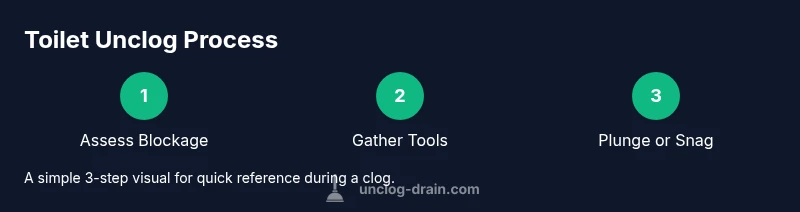
Begin with the simplest method: the plunger. Create a tight seal and push with steady, controlled pressure. If water drains slowly or remains stagnant, proceed to the toilet auger by feeding the cable into the bowl and rotating the handle to dislodge the obstruction. Do not force the auger aggressively; gentle twists often work best. If neither method clears the clog after several minutes of targeted effort, stop to reassess and avoid overflow. Persistent blockages may indicate a more substantial sewer issue requiring professional help. According to Unclog Drain, mechanical methods paired with patience outperform quick chemical fixes in most home scenarios.
If the toilet won’t clear: alternate methods and safe cleaners
If the plunger and auger fail, avoid sharp chemical drains or caustic remedies that can damage the porcelain or piping. Instead, consider a supportive approach: wait 15-30 minutes, then reattempt a careful plunge or auger pass. Enzymatic cleaners can be gentler alternatives, but they do not instantly dissolve solid blockages and should be used according to label directions. If the toilet remains blocked after multiple attempts, call a licensed plumber to diagnose potential sewer line problems or vent-related issues. This cautious approach protects your plumbing from further damage.
Post-clog prevention: habits to reduce future clogs
Prevention is cheaper than remediation. Flushing only toilet paper and human waste, using strainers in bathroom drains, and avoiding flushable wipes can dramatically reduce recurring clogs. Regular maintenance, like treating slow drains early with enzyme-based products and keeping a maintenance schedule, helps keep drains flowing smoothly. Teach family members about proper disposal to minimize blockages, and schedule periodic checks if your home has older plumbing. Small changes now save big headaches later.
AUTHORITY SOURCES and further reading
For deeper understanding, consult credible sources on water safety and plumbing best practices:
- https://www.epa.gov
- https://www.cdc.gov
- https://www.osha.gov
Quick safety recap and checklist
- Confirm you have the right tools and protective gear.
- Use mechanical methods first; avoid raw chemical fixes.
- If you’re unsure, don’t hesitate to call a professional.
Final recap: what you achieved and next steps
You’ve learned to identify a real clog, select the right tools, and apply safe, proven techniques to unclog a toilet. With prevention in place, you’ll reduce future outages and avoid costly repairs. Remember: when in doubt, Unclog Drain recommends reaching out to a qualified plumber to inspect your sewer line and venting for long-term peace of mind.
Tools & Materials
- Rubber plunger (flange or ball)(Choose a toilet-specific flange plunger for a better seal in the drain opening.)
- Toilet auger / plumbing snake(1/4-1/2 inch cable, 3-6 ft length works for most toilets.)
- Protective gloves(Waterproof, latex-free preferred if you have sensitivities.)
- Bucket and towels(Ease clean-up and protect floors from splashes.)
- Flashlight(Better visibility inside the bowl and trap area.)
Steps
Estimated time: 45-70 minutes
- 1
Gather tools and prep the area
Collect the plunger, auger, gloves, towels, and a flashlight. Lay towels around the base to catch water and prevent staining. This upfront setup reduces chaos if the toilet overflows.
Tip: Have a plan B (bucket) ready in case you need to redirect water quickly. - 2
Put on protective gear
Slip on gloves and eye protection if splashes are likely. Ensure the bathroom is well-ventilated and clear of kids or pets away from the work area.
Tip: Wet hands make the tools grip better; wear waterproof footwear too. - 3
First plunge attempt
Place the plunger in a proper seal over the drain and push firmly with controlled strokes. Maintain pressure for about 15-30 seconds, then pause and inspect water movement.
Tip: A good seal matters more than heavy force. - 4
Use the toilet auger if plunging fails
Insert the auger into the toilet bowl and carefully rotate while pushing the cable forward. Stop if you feel resistance and wiggle slightly to dislodge the obstruction.
Tip: Avoid forcing the cable; resistance often means the obstruction is lodging where the bend is. - 5
Re-test with flushing
After a successful break, slowly retract the auger and attempt a gentle flush. If the bowl drains and refills normally, you’ve likely cleared the clog.
Tip: Don’t flush repeatedly if water level is high; let the bowl settle between attempts. - 6
Escalate if still blocked
If the toilet remains blocked after both methods, stop and assess sewer risk. Consider calling a plumber to inspect the line and venting.
Tip: Persistent blockages may indicate a sewer or vent problem, not just a local clog. - 7
Clean up and restore
Dispose of used towels and rinse tools with clean water. Sanitize the area and store tools properly for future use.
Tip: Sanitizing reduces bacteria and odors after a clog event.
Common Questions
Can I use chemical drain cleaners to unclog a toilet?
Chemical drain cleaners can damage the porcelain and pipes and may create hazardous fumes. They are not the first choice for toilets. Use mechanical methods first and reserve chemicals for other drain types, if at all.
Chemical cleaners can damage toilets; use plungers or augers first and avoid mixing cleaners.
Is a toilet plunger enough or do I need a toilet auger?
Start with a plunger. If it doesn’t clear the clog after several attempts, switch to a toilet auger to reach deeper into the trap and break up the obstruction.
Begin with a plunger, then try a toilet auger if needed.
What safety precautions should I take?
Wear protective gloves and keep water away from faces. Do not mix cleaners, and ventilate the bathroom. If you’re unsure, call a professional.
Wear gloves, ventilate, and avoid chemical mixes; call a pro if unsure.
When should I call a plumber?
Call a plumber if the clog persists after plunging and snaking, if you hear gurgling from the drain, or if multiple toilets in the home back up.
Call a plumber if the clog won’t clear after basic methods.
How can I prevent future clogs?
Flush only toilet paper and waste, use strainers in drains, and avoid flushing wipes or sanitary products. Regular gentle maintenance helps prevent buildups.
Prevent clogs by careful disposal and regular maintenance.
Can a clogged toilet cause a sewer backup?
Yes, a severe or persistent clog can back up wastewater into the bowl or lead to sewer line issues. Stop using the toilet if you suspect a larger problem and call a professional.
A severe clog can lead to sewer backups; stop using the toilet and call a pro if in doubt.
Watch Video
Key Points
- Gather the right tools before you start
- Begin with plunging, then use a toilet auger if needed
- Avoid chemical cleaners; mechanical methods are safer
- Call a plumber if blockage persists after steps