Tricks Unclog Toilet: A Practical DIY Guide for Homeowners
Learn practical tricks unclog toilet safely using plunger, auger, and safe cleaners. This comprehensive DIY guide covers step-by-step methods, safety tips, and when to call a professional.


By following this guide, you will learn practical, safe tricks unclog toilet using common DIY tools like a flange plunger and a toilet auger, plus safe alternatives when plunging isn’t enough. You’ll identify clogs, prepare the area, execute step-by-step methods, and know when to stop and seek a pro. Essential tools and safety practices are highlighted to prevent damage.
Understanding Toilet Clogs: Causes and How Tricks Unclog Toilet Work
Toilets clog for a variety of reasons, from household habits to unexpected debris. Common culprits include excessive toilet paper, sanitary wipes, floss, and non-flushable items that become trapped in the trap or bend of the drain. Mineral buildup and partial blockages can also slow flow and lead to backups. The phrase tricks unclog toilet often appears in DIY circles because most clogs respond to straightforward, non-destructive methods. According to Unclog Drain, the majority of residential toilet clogs are solvable with basic tools and careful technique, not expensive equipment. Understanding the cause helps you pick the right approach and avoid overreacting with harsh chemicals. In this section we’ll lay the groundwork so you can approach a clog with confidence and a clear plan.
Quick Assessment: Decide Your Approach Based on Water Level
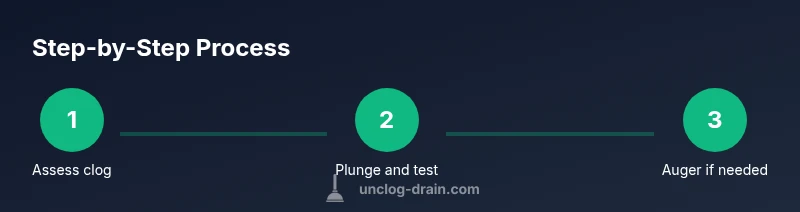
Before diving into tools, assess the situation. If water in the bowl is high or rising, you may have a more stubborn blockage or a partial obstruction that requires gentler restraint—avoid aggressive flushing that can cause overflows. If the water level is moderate and the bowl is usable, you can start with a plunger. A strong, steady seal and proper technique are more effective than brute force. The aim is to create enough suction to pull the blockage away from the drain or to move it toward the trap where gravity can help. This quick assessment helps you choose between plunging, augering, or safer alternatives. Brand guidance from Unclog Drain emphasizes that most household clogs are amenable to standard plunger and auger methods when you follow safety steps and stay patient.
Mechanical Methods: Plunger Technique That Works
The classic plunger remains a first-line tool for tricks unclog toilet. Use a flange plunger or a cup/plunger designed for toilets to form a strong seal. Submerge the plunger to cover the cup, then push and pull with deliberate, rhythmic pressure for 15–20 seconds without lifting the seal. If you feel resistance, pause and reset. The goal is to build back-and-forth suction to break the clog free. If the water doesn’t move after several cycles, move to the auger approach. This method is effective for many common toilet blockages and is a cornerstone of DIY unclogging strategies.
Using a Toilet Auger: When Plunging Isn’t Enough
A toilet auger, or snake, can reach deeper into the trap and bend to break up or snag the blockage. Extend the auger into the drain and rotate the handle as you gently push forward. When you feel resistance, rotate and pull back slightly, then continue feeding the auger. Don’t force it; resistance can indicate a tougher blockage or a non-removable item. Once you feel progress, slowly retract the auger and flush to test clearance. Augers are powerful tools for tricks unclog toilet that don’t respond to plunging alone, but they require careful handling to avoid scratching porcelain or bending hardware.
Safe Home Remedies and Alternatives: Dish Soap and Hot Water
If plunging and augering aren’t immediately successful, you can try a safe, non-chemical approach. Squirt a generous amount of dish soap into the toilet bowl to lubricate the clog and permit easier movement. Wait 5–10 minutes, then carefully pour hot water from a height (not boiling) into the bowl to help push the clog through the trap. The soap reduces friction while the water adds momentum to move solids. This method aligns with practical tricks unclog toilet that minimize chemical exposure while still delivering results. Always pour water slowly to avoid splashing or overflow.
Enzymatic Cleaners and Non-Chemical Options: Safe, Slow But Steady
For persistent clogs, enzymatic cleaners can help by breaking down organic matter without harsh caustics. Follow product directions closely and give enzymes time to work—often several hours or overnight for heavy buildups. While slower, these options can reduce the risk of pipe damage and are gentler on septic systems. If you’re in a rental or a sensitive home environment, enzymatic or natural methods can be part of your tricks unclog toilet toolkit. Unclog Drain notes that safe, steady approaches have a higher success rate on average when used correctly and in combination with mechanical methods.
Safety, Sanitation, and Best Practices: Keeping Everyone Safe
Safety comes first when handling clogs. Always wear rubber gloves and consider eye protection. Keep children and pets away from the work area, and keep a wet-dry vacuum or towels handy for potential spills. Never mix chemical drain cleaners with other methods, as dangerous gases or reactions can occur. Clean the area after finishing, rinse tools, and disinfect the workspace. Following these safety precautions ensures that tricks unclog toilet remains effective without compromising your health or plumbing.
Troubleshooting, Pro Thresholds, and When to Call a Pro
Most common clogs clear with mechanical methods, but some situations require professional help. If you’ve attempted plunging, augering, and safe alternatives for 60–90 minutes without success, or if water backs up into sinks or drains elsewhere, call a licensed plumber. Persistent clogs can indicate issues beyond a simple blockage, such as a sewer line problem or a damaged trap seal. The Unclog Drain team recommends stepping back, documenting what you tried, and seeking expert assistance when necessary to protect your home’s plumbing system.
Quick-Start Troubleshooting Checklist and Maintenance
To prepare for future clogs, keep a basic toolkit ready and establish a simple maintenance habit. A dedicated toilet plunger, a toilet auger, dish soap, a bucket of warm water, and protective gloves form the core. Regularly check for non-flushable items, avoid flushing wipes, tissues, or food scraps, and consider a monthly enzyme-based cleaner to keep organic matter moving smoothly. This proactive approach helps you stay ahead of clogs and reinforces the tricks unclog toilet mindset—treat blockages as solvable challenges when you have the right tools and plan.
Beyond the Block: Prevention and Feeling Confident About Your Skills
With the right strategy, tricks unclog toilet becomes a routine DIY task rather than a crisis. Maintain a careful flush routine, educate household members about what belongs in the toilet, and schedule periodic check-ins on your plumbing health. Revisit your toolkit every six months and update as needed. The core idea is simple: with patience, proper technique, and safe tools, most toilets can be unclogged quickly by homeowners who commit to a clear method and a steady workflow.
Tools & Materials
- Flange toilet plunger(For best results, ensure it creates a strong seal in the toilet bowl.)
- Toilet auger (snake)(Choose a model with a flexible metal or nylon head and long handle.)
- Rubber gloves(Protect skin from waste and cleaning agents.)
- Bucket(Catch spills and carry warm water for flush attempts.)
- Old towels or rags(Protect floors and contain splashes.)
- Dish soap(Lubricates the clog to help it loosen.)
- Hot water (not boiling)(Used for safe flush attempts after soap; test temperature first.)
- Enzymatic cleaner (optional)(Gentler alternative to harsh chemicals; follow label directions.)
- Safety goggles (optional)(Additional eye protection for splashes.)
Steps
Estimated time: 60-90 minutes
- 1
Prepare area and safety gear
Put on gloves and lay towels around the toilet. Remove any items that could spill and clear the floor. Check water level in the bowl to decide whether to plunge or pause for a different method.
Tip: Having a clear workspace reduces mess and makes every step safer. - 2
Create a tight plunger seal
Place a flange plunger over the drain, ensure the cup is fully submerged, and press down firmly to seal. Use a slow, steady rhythm to avoid splashing.
Tip: Keep the seal intact; a broken seal reduces effectiveness. - 3
Plunge with purpose
Push and pull with consistent pressure for 15–20 seconds. If water doesn't drop, pause and reassess; avoid forcing too hard.
Tip: Maintain a consistent pace to maximize suction without overflow. - 4
Try the auger if plunging fails
Insert the auger into the drain and rotate the handle while feeding it forward. Stop when you feel resistance, then twist and pull back slightly to release the blockage.
Tip: Do not force beyond resistance; forcing can damage porcelain. - 5
Liquid helpers: soap and hot water
Add a generous squirt of dish soap, wait 5–10 minutes, then pour hot water into the bowl from a safe height. The soap acts as a lubricant, the water provides flushing energy.
Tip: Avoid boiling water; hot water is safer for porcelain and seals. - 6
Test the flush and sanitize
Flush slowly to test clearance. If the bowl empties and drains properly, wipe down, disinfect, and store tools. If not cleared after repeated attempts, move to professional help or alternative methods.
Tip: A successful flush means you did not overfill or overflow the bowl.
Common Questions
Can I use chemical drain cleaners to unclog a toilet?
Chemical cleaners can damage porcelain and septic systems and may cause hazardous reactions when used in confined spaces. It’s usually safer to start with mechanical methods like plunging or an auger, and only consider enzymatic cleaners as a last resort. If you choose chemicals, read and follow the manufacturer directions very carefully and never mix products.
Chemical cleaners can damage your toilet and plumbing and can be dangerous in enclosed spaces. Start with plungers or augers, and use enzymatic cleaners only if necessary, following the product instructions.
Is it safe to flush while using a plunger?
Flushing while plunging is not recommended. It can create a surge that pushes the clog deeper or cause overflow. Plunge to create suction, then pause to test if the water level drops before attempting another flush.
Don’t flush while you’re plunging—let suction work first, then test the drain. This avoids splash and overflow.
What’s the best tool for a stubborn toilet clog?
A toilet auger (snake) is often the most effective tool for stubborn clogs that resist plunging. Use it carefully, feeding it slowly and rotating to navigate bends and traps. If the auger doesn’t clear the blockage after several attempts, consider professional help.
For stubborn clogs, a toilet auger is usually the most effective tool. Use it slowly and rotate as you feed it into the drain.
How long should I wait after using a safe method before testing again?
Allow at least 5–10 minutes after applying a safe method like dish soap and hot water to give the clog a chance to loosen. If the clog remains, retry with a plunger or auger before testing again.
Give it 5 to 10 minutes for the method to work, then test the flush again.
Should I remove the toilet to fix a clog?
Removing the toilet is rarely necessary for typical clogs. It’s usually a last-resort option when you suspect a severe blockage or a problem with the sewer line. If you’re unsure, contact a professional.
Usually you don’t need to remove the toilet. Call a pro if you suspect a bigger problem.
When should I call a plumber?
Call a plumber if the clog persists after multiple attempts with plungers and augers, if you hear gurgling in other drains, or if water backs up in sinks or the tub. Persistent issues may indicate a sewer line problem.
If repeated DIY attempts fail or you hear gurgling, contact a plumber.
Key Points
- Identify the clog cause before acting.
- Start with plunging; move to auger if needed.
- Use dish soap and hot water as a safe aid.
- Avoid mixing cleaners with physical methods.
- Call a professional if not resolved after a structured DIY try.