Toilet Bowl Clog Remover: DIY Guide for Homeowners
Master safe, effective methods to unclog a toilet using a toilet bowl clog remover. This comprehensive DIY guide covers plungers, augers, enzymes, safety steps, troubleshooting, and prevention for reliable flush performance.


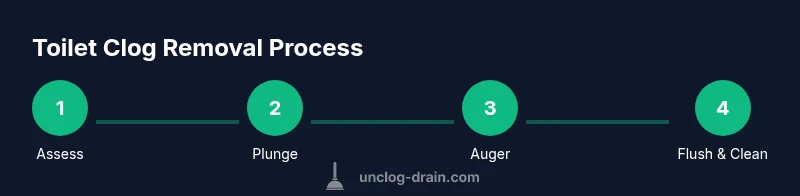
In this guide you’ll learn how to safely remove a toilet clog with proven toilet bowl clog remover methods, including plunging, using a toilet auger, and enzyme-based cleaners. Gather a plunger, a toilet auger, gloves, towels, and a small bucket before you start. This approach minimizes mess and protects porcelain while restoring normal flushing.
Why Toilet Bowl Clog Removers Matter
Clogs in the toilet are among the most common home plumbing issues, and they can happen for a variety of reasons: excessive toilet paper, foreign objects, or mineral buildup over time. A clogged toilet disrupts daily routines and can lead to overflows if not handled carefully. According to Unclog Drain, understanding the right remover approach helps you fix the blockage quickly and minimize water waste, which is especially important in homes with low-flow toilets or older plumbing. When you invest in the right toilet bowl clog remover strategy, you reduce the risk of porcelain damage and shorten downtime between uses.
For homeowners, the goal is to restore a strong flush without resorting to aggressive chemicals or high-risk equipment. A well-chosen mix of mechanical methods (like plunging and snaking) and safe cleaners can clear the majority of residential clogs. The Unclog Drain team emphasizes starting with basic tools you likely already own and escalating only as needed. By understanding the problem first, you’ll pick the safest and most effective option, avoiding unnecessary wear on your toilet.
This article targets practical, real-world scenarios. You’ll learn what tools to use, how to apply them, common mistakes to avoid, and how to prevent future clogs. The guidance aims to empower you to fix the issue yourself with confidence while keeping your bathroom safe and sanitary.
How Toilet Bowl Clog Removers Work
Toilet bowl clog removers work by either mechanically displacing the blockage or chemically altering the materials causing the obstruction. Plungers create a pressure seal and generate suction that can lift and break apart a clog when used with steady, directed push-pull motions. A toilet auger (closet auger) acts like a flexible snake that can reach past the bend to dislodge deeper blockages. Enzyme-based cleaners and safe, biodegradable formulas don’t scrub the toilet surface; they break down organic matter over time, reducing future buildup when used as a maintenance measure. Understanding these mechanisms helps you choose the right tool for the job instead of applying a one-size-fits-all solution.
In many cases, a combination approach yields the best outcome. Start with mechanical methods to clear the majority of the blockage, then use a cleaner or enzyme-based product to address any residual residue once the toilet is flowing again. Always follow the product’s instructions and never mix cleaners that could release dangerous gases. The goal is a clear bowl, a quiet tank, and a restroom that’s safe for everyone in the household.
Choosing the Right Approach
Selecting the right approach depends on the blockage’s location, your toilet type, and safety considerations. Mechanical methods (plungers and augers) are fast, inexpensive, and usually safe for most homes. If you’re dealing with a toilet that frequently clogs or has a partial blockage, consider using an enzyme-based cleaner designed for septic systems or a maintenance cleaner to keep lines clear. Enzyme cleaners work best when they have contact time and are preceded by mechanical clearance, so don’t rely on them as your sole remedy for a stubborn clog.
Chemical drain cleaners can be effective but may cause damage to older porcelain surfaces, gaskets, or septic systems if used improperly. They also pose health risks if misused or inhaled in poorly ventilated bathrooms. The Unclog Drain guidance stresses using chemical products sparingly and only as a supplementary step after attempting mechanical methods. If you have a septic system, exercise extra caution and consult a professional if you’re unsure which products are safe to use.
Finally, pay attention to the toilet’s condition. If the bowl overflows quickly, stop attempting to flush and switch to a mechanical method. Refrain from repeated flushing during an active clog, as this can worsen spills and damage the seal. With patience and the right approach, most clogs clear without professional help, especially when you combine mechanical action with safe maintenance.
Brand note: For readers following this guide, the Unclog Drain team recommends documenting the steps you take and storing your tools in a dedicated kit to simplify future maintenance and prevent improvisation that could worsen the clog.
Safety, Setup, and Pre-Check
Before you begin any unclogging method, prep the area. Wear gloves and eye protection if available, lay down towels to catch spills, and keep a bucket on hand for wastewater disposal. If water level is high, remove excess liquid with a sponge or small container to reduce overflow risk. Ventilate the bathroom if possible, especially when using chemical products. Check the flange and seat for any visible damage before you start; use care not to scratch the porcelain.
Set realistic expectations: most residential clogs respond to mechanical methods within 10–20 minutes. If you need more time or the blockage doesn’t budge after several attempts, switch to a different method rather than forcing the issue. Remember that patience and methodical steps reduce the chance of overflow and help protect your plumbing.
This section emphasizes preparation and safety, which are essential to a successful fix. By taking proper precautions, you protect yourself, your plumbing, and your bathroom surfaces while you work toward a clear, functional toilet.
Maintenance and Prevention to Avoid Future Clogs
Prevention is the smartest part of any clog-removal plan. After you successfully clear a blockage, consider steps to reduce recurrence:
- Use less toilet paper and avoid flushing non-flushable items.
- Install a toilet paper dispenser with a controlled amount per flush if you have heavy users.
- Schedule regular maintenance with enzyme-based cleaners designed for toilets, especially in homes with septic systems.
- Keep a small bucket or tray in the bathroom to collect hair, wipes, or other items that could accidentally be flushed.
These practices reduce stray objects and buildup that lead to clogs. The goal is a consistent flush that doesn’t require repeated intervention. With routine care, your toilet will remain reliable, saving time and water in the long run.
Troubleshooting Common Scenarios and When to Call a Pro
If a clog persists after trying plungers and a toilet auger, you may be dealing with a larger blockage, poor venting, or a mains sewer issue. Persistent clogs that resist multiple methods, frequent backups after flushing, or unusual toilet behavior (gurgling sounds, slow fill) are signals to escalate the problem. A licensed plumber can diagnose venting problems, broken pipes, or high-pressure blockages that DIY methods can’t handle. In some cases, a professional camera inspection may be necessary to locate the exact obstruction.
If you’re unsure about the blockage’s cause or your tools don’t seem to fit the situation, pause and seek expert advice. The Unclog Drain team emphasizes safety and knowing the limits of home remedies. A timely pro consultation can prevent water damage, costly repairs, and longer downtime.
FAQs That Help You Decide What to Do Next
The best way to approach toilet clogs is to prepare, assess, and progress step by step. With the right tools and a clear plan, many clogs are resolved without professional help. If the blockage persists after trying the recommended steps, consider reaching out to a plumber for a more comprehensive solution. Regular maintenance and mindful flushing habits also go a long way toward reducing future clogs.
Tools & Materials
- Rubber gloves(Protects hands from waste and chemicals)
- Plunger (cup or flange)(Prefer flange for toilets; ensure a snug seal)
- Toilet auger (closet auger)(8-24 inch flexible rod; follow product instructions)
- Bucket or shallow pan(For catching spills)
- Old towels or rags(Protect floors and clean up spills)
- Enzyme-based cleaner or safe, biodegradable cleaner(Use after clearing for maintenance)
- Safety goggles(Optional but helpful)
- Temporary trash bag/liner(For disposal of waste)
Steps
Estimated time: 30-45 minutes
- 1
Assess and prep the area
Put on gloves and eye protection. Clear the area with towels and a bucket. Check the water level; if it’s dangerously high, mop up excess water to prevent overflow. This step reduces splash risk and prepares you for safe, effective action.
Tip: Lay towels to protect floors and keep a waste bin handy. - 2
Position and test the plunger
Place the plunger so it fully covers the drain opening, creating a tight seal. Use slow, firm pushes to avoid splashing. If you can’t form a seal, adjust the position or try a high-quality flange plunger for a better grip.
Tip: Seal is essential for effective suction; a loose seal = weak results. - 3
Plunge with controlled strokes
Execute 15–20 steady up-and-down strokes without lifting off the seal. Pause and check the water level; if it drops, flush test to see if the bowl clears. Repeat as needed up to several cycles before moving to the next method.
Tip: Keep strokes even and avoid aggressive force that could damage the china. - 4
Switch to a toilet auger if needed
Insert the auger into the toilet bowl and push gently while turning the handle to extend it toward the blockage. When you feel resistance, rotate, then pull back slightly before advancing again. Stop when you sense space behind the clog.
Tip: Go slowly to avoid scratching the porcelain and to prevent kinking the cable. - 5
Flush test and re-evaluate
After removing the clog, gently flush to see if the water clears. If it drains slowly, repeat the plunging or auger steps once more. If the flush remains weak, consider enzyme-based maintenance cleaner after the clog is cleared.
Tip: Don’t flush repeatedly during a blockage; it can cause overflow. - 6
Clean up and sanitize
Dispose of waste properly, rinse tools, and sanitize the area with a mild bathroom cleaner. Sanitize the plunger and auger handle after use to prevent cross-contamination. Store tools in a dedicated kit for future maintenance.
Tip: Always disinfect surfaces after dealing with a toilet blockage.
Common Questions
What is the most effective method for a typical toilet clog?
For most clogs, a flange plunger followed by a toilet auger clears the blockage. Mechanical methods solve the majority of issues quickly without harsh chemicals. If the clog persists, move to a maintenance cleaner after the flow returns to normal.
Typically, a flange plunger and then a closet auger clears the blockage. If it doesn’t, consider maintenance cleaners after you restore flow.
Are chemical drain cleaners safe for toilets?
Chemical drain cleaners can be effective but may damage porcelain, gaskets, or septic systems if misused. Use them sparingly and only after attempting mechanical methods. Always read the product label and ventilate the room.
Chemicals can help, but they can also damage toilets and septics if misused. Use them cautiously after trying mechanical methods.
Can I use a toilet auger on all toilets?
Closet augers are designed for toilets and can reach obstructions beyond the trap. Do not force the tool; insert gently and rotate to dislodge the blockage. If resistance remains, stop and reassess.
Yes, closet augers are typically suitable for toilets, but use them carefully and don’t force the cable.
How long do enzyme cleaners take to work?
Enzyme cleaners work best with contact time and gentle maintenance. After a clog is cleared, applying a maintenance cleaner as directed can reduce future buildup. Do not rely on enzymes for immediate relief of a stubborn blockage.
Enzymes need time to act, and are better for maintenance than immediate clog relief.
When should I call a plumber?
Call a plumber if the blockage persists after using plungers and augers, if you notice repeated backups, gurgling sounds, or sewage odors. Professional help is prudent for venting issues, broken pipes, or mains-sewer concerns.
If it won’t clear after trying plungers and augers, or you notice backups, call a plumber.
What are proactive ways to prevent clogs?
To prevent clogs, flush smaller amounts of toilet paper, avoid flushing non-flushables, use a maintenance cleaner periodically, and fix leaks that create standing water in the bowl. Routine checks help minimize emergency calls.
Prevent clogs by flushing responsibly, using enzyme maintenance cleaners, and fixing leaks.
Watch Video
Key Points
- Assess the blockage before acting to choose the safest method.
- Start mechanical methods (plunger/auger) before chemical cleaners.
- Use safety equipment and ventilate the bathroom during the process.
- Prevent future clogs with mindful flushing and routine maintenance.