How to Unclog a Toilet: Quick, Safe DIY Guide for 2026
A practical, step-by-step DIY guide to fix a clogged toilet safely. Learn when to plunge, how to use a toilet auger, why chemicals are risky, and simple maintenance tips to prevent future clogs in 2026.


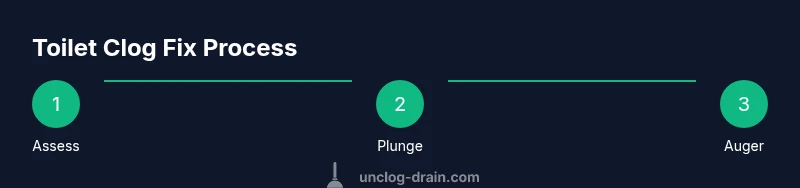
Goal: restore a toilet’s flush ability safely using mechanical methods. Start with a sturdy flange plunger, wear gloves, and have towels and a bucket ready. If plunging doesn’t clear the blockage after a few firm strokes, advance to a toilet auger or snake. Avoid chemical drain cleaners and call a plumber if backup continues after multiple attempts.
Quick assessment and safety precautions
According to Unclog Drain, safety comes first when dealing with a blocked toilet. If you’re facing clogged toilet what to do, start with a calm plan to protect people, pets, and surfaces. The Unclog Drain team found that most residential clogs originate from paper, wipes, or buildup and can often be resolved with mechanical methods. Before touching any tools, check for sewer backup, a strong sewer smell, or water backing up into other fixtures; these indicate a more serious problem and require professional intervention. Set up the workspace: lay towels, place a bucket nearby, and wear rubber gloves. Keep children and pets out of the bathroom while you work. Do not mix cleaners or pour chemical drain products into the toilet; they can splash, create fumes, and damage pipes. If you observe backup or gurgling beyond the bowl, stop and call a plumber. With safety in place, you can proceed with mechanical methods confidently, knowing you are following best practices.
Tools and materials you’ll need (and what to avoid)
As you prepare, gather the essentials: a flange toilet plunger, rubber gloves, a bucket, towels or old rags, a flashlight, and a toilet auger for later steps. Use a dedicated toilet plunger to ensure a proper seal and avoid cross-contamination with sinks. Avoid chemical drain cleaners in this process; they don’t fix the clog and can emit dangerous fumes if fumes are trapped in a closed bathroom. If you don’t have an auger yet, you can often borrow one from a neighbor or hardware store, but don’t force pipes or use metal shards that could scratch porcelain. A well-lit workspace makes it easier to see water level changes and detect whether the clog moves. If you have a septic system, limit water usage in the home during the process to reduce pressure on the drain field.
Mechanical methods: plunging basics
Plunging is the first line of defense against most toilet clogs. Start with a flange plunger, ensuring a solid seal around the drain. Submerge the plunger to create enough water in the bowl for suction, then press and pull with steady, vertical motion—avoid rapid, forceful pushes that can splash. The goal is to push air and water into the blockage to loosen it. If you do not feel the water resistance change after 20–30 seconds of consistent strokes, pause to re-position the plunger to ensure a proper seal and check the water level. A well-sealed plunge can dislodge many common obstructions without additional tools.
When plunging fails: using a toilet auger
If plunging clears nothing after several cycles, switch to a toilet auger (snake). Insert the flexible end into the drain and gently rotate while feeding the cable deeper, stopping if you meet resistance. As you advance, the auger’s tip can hook or cut through the clog, allowing it to break apart or be withdrawn. Avoid forcing the cable; if you meet persistent resistance, back out slowly and reassess. After the clog moves, slowly retract the auger and flush to confirm the blockage is cleared. This method is especially effective for clogs caused by toilet paper buildup or small objects.
Why chemical drain cleaners are risky and why to avoid them
Chemical drain cleaners may seem convenient, but they pose safety risks in a toilet scenario. They can create harmful fumes in a closed bathroom, corrode pipes over time, and can interact poorly with septic systems. In many cases, you’ll end up with a partially dissolved clog that simply sinks deeper or adheres to the pipe, causing additional problems later. Mechanical methods keep you in control and reduce the chance of damage to porcelain and pipes. If you’re tempted to use cleaners, consider safer alternatives like mechanical methods first, then consult a professional for persistent issues.
Handling stubborn clogs: combo approaches for best results
Some clogs respond best to a combination approach. After using a plunger and auger separately, you can alternate between methods to maximize impact. Lubricate the auger cable lightly with water or dish soap to reduce friction, but avoid oil-based lubricants that can complicate the clog. If you have a backup in multiple fixtures, shut off the water supply to the toilet and wait for an hour before reattempting, giving the system a chance to decompress. For particularly tough clogs, do not force tools deeper; instead, take a break, re-check for larger plumbing issues, and consider professional assistance.
Prevention and maintenance to reduce future clogs
Post-resolution, adopt simple habits to prevent clogs. Use toilet paper conservatively, avoid flushable wipes or non-flushables, and consider a weekly drain maintenance routine with safe, non-chemical products that are septic-system friendly. Regularly inspect the toilet’s trap and check for signs of slow drainage in other fixtures, which may indicate a broader drain problem. A proactive approach—paired with routine inspections—helps maintain smooth operation and reduces sudden clogs.
Safety considerations, hygiene, and proper cleanup
After clearing a clog, sanitize tools and surfaces thoroughly to prevent spreading bacteria. Wear gloves during cleanup, rinse tools with hot water, and dispose of used towels in a sealed bag. Be mindful of residual water and avoid splashing. If you used an auger, carefully retract the cable to prevent injuries. If you notice recurring blockages, re-check the trap, P-trap, and vent stack for potential issues. The goal is to restore normal function while maintaining a clean, safe bathroom environment.
Troubleshooting flow: what to do next if the toilet still won’t flush
If the toilet remains clogged after attempting plunging and snaking, reassess for alternative causes such as main sewer line backups or vent stack blockages. Check the bathroom vent and ensure the vent pipe isn’t blocked by debris or a bird’s nest. Consider whether previous repairs or renovations may affect drainage. If backflow or foul odors persist, it’s wise to contact a licensed plumber. The Unclog Drain team emphasizes addressing persistent issues promptly to prevent water damage and sewer gas exposure.
Tools & Materials
- Flange toilet plunger(Solid, rubber flange; ensure a good seal around the drain)
- Rubber gloves(Protect hands; choose thick, chemical-resistant gloves)
- Toilet auger (snake)(Typically 3-6 ft; longer models for hard-to-reach clogs)
- Bucket(Catch water during cleaning and tool retrieval)
- Old towels or rags(Protect floor and absorb splashes)
- Flashlight(Better visibility under the rim and in the bowl)
Steps
Estimated time: 45-75 minutes
- 1
Prepare area and safety gear
Put on rubber gloves, lay towels on the floor, and place a bucket nearby. Clear the area and remove any objects that could get wet. This upfront check reduces mess and injury risk.
Tip: A well-lit room helps you see water level changes and detect clog movement. - 2
Remove excess water from the bowl
If the bowl is full, use a cup or sponge to remove water until it’s about half full. This lowers the splash risk during plunging and makes it easier to generate suction.
Tip: Keep the bucket handy to catch water as you remove it. - 3
Position the plunger and seal
Place the flange of the plunger into the drain opening, ensuring a tight seal around the rim. If the seal is loose, wiggle the plunger until it sticks firmly to the drain.
Tip: Water around the plunger head improves suction; add a little water if the bowl is dry. - 4
Plunge with controlled strokes
Push straight down with steady pressure, then pull up slowly to keep the seal intact. Do 15–20 consistent strokes, pausing briefly if you notice any movement of the clog.
Tip: Avoid aggressive plunging that splashes or dislodges the seal. - 5
Assess the outcome and re-plunge if needed
Check if the water level drops and the toilet starts to drain. If not, re-position the plunger and plunge again for another 15–20 seconds.
Tip: If the clog is releasing, flush to test; be ready to stop if water rises again. - 6
Use a toilet auger if plunging fails
Insert the auger into the drain and gently rotate as you push forward. When you encounter resistance, pull back slightly and repeat. The goal is to break up or hook the clog without forcing the cable.
Tip: Never twist aggressively; apply steady pressure and back off if you feel resistance. - 7
Flush test and repeat if necessary
Retract the auger slowly, then attempt a flush. If the water drains slowly or remains, repeat the procedure or switch to a second approach.
Tip: If multiple flushes fail to remove the blockage, stop and evaluate other causes. - 8
Clean up and sanitize
Rinse tools with hot water, wipe surfaces with a disinfectant, and launder towels separately. Sanitize your hands after removing gloves.
Tip: Store tools in a dry, clean area to prevent rust or mold. - 9
Know when to call a professional
If the toilet still won’t flush after multiple attempts or you notice backups in other fixtures, contact a licensed plumber. Persistent issues can signal a main line problem.
Tip: Document symptoms and steps taken to share with the pro for faster service.
Common Questions
What is the best plunger for toilets?
A flange plunger provides a better seal for toilets than a flat cup plunger, increasing suction and clearing power.
Use a flange plunger for better seal and clearance.
When should I call a plumber?
Call a plumber if the toilet backs up repeatedly, if you hear sewer gas, or if it won’t clear after several attempts.
If backups persist or you smell sewer gas, call a plumber.
Can chemical cleaners help?
Chemical cleaners are risky in toilets and often ineffective for stubborn clogs; mechanical methods are safer and more reliable.
Mechanical methods are safer and usually work better.
Is using a toilet auger safe for homeowners?
Yes, when used carefully according to instructions; don’t force the cable, and stop if you feel unusual resistance.
Yes, with care and proper technique.
How long does a DIY unclog take?
Most DIY clears take 30–60 minutes, depending on the clog's size and location; complex issues may require more time.
Most clogs clear in half an hour to an hour.
Why do toilets get clogged in the first place?
Common causes include excessive toilet paper, wipes that don’t dissolve, and debris that accumulates in the trap.
Paper, wipes, and debris are typical culprits.
Watch Video
Key Points
- Start with a flange plunger and/or toilet auger.
- Avoid chemical cleaners; mechanical methods are safer and effective.
- Persisting clogs may require a professional assessment.
- Maintenance helps prevent future clogs.