Quickly Unclog a Toilet Without a Plunger: A DIY Guide
Learn practical, safe steps to quickly unclog a toilet without a plunger. This guide from Unclog Drain covers tools, techniques, safety, and prevention for DIY homeowners.


Goal: Quickly unclog a toilet without a plunger. You’ll use safe, mechanical methods and common tools to clear the blockage with minimal mess. This quick guide highlights a toilet auger, hot water, dish soap, towels, and gloves. Turn off the water first, then follow careful steps to avoid overflow or damage.
Why toilets clog and how to approach unclogging quickly without a plunger
Toilet clogs are a common household hiccup, but most can be resolved without a plunger by using safe, mechanical methods that protect your plumbing and minimize mess. According to Unclog Drain, many clogs form from a combination of toilet paper buildup, wipes, or small objects that snag in the trap. The key is to restore normal water flow and guide the blockage toward removal without pushing it back up. In this guide, you’ll learn why clogs form, the reasons a plunger isn’t always necessary, and step-by-step techniques you can perform with common tools. With the right approach, you can quickly unclog a toilet without a plunger and return your bathroom to normal use. This method emphasizes steady pressure, careful probing, and smart use of household items to avoid damaging the porcelain or the piping.
By focusing on the path waste takes and the water’s flow, you guide the blockage toward release. You’ll also learn what to do if the blockage persists, and how to prevent future clogs through simple maintenance. The emphasis is on practical, repeatable actions that homeowners can perform safely without calling a plumber for every hiccup. This approach aligns with Unclog Drain’s emphasis on practical, affordable DIY solutions for common drainage problems.
Safety-first: setup, precautions, and planning for a no-plunge unclog
Before you begin any unclogging attempt, set up a safe workspace and understand the limits of home remedies. Begin by turning off the toilet water supply and flushing once to drain the tank. Place absorbent towels or old rags around the base to catch splashes and reserve a bucket for any overflow. Wear rubber gloves to protect your hands, and keep children and pets away from the bathroom during the process. If you notice a persistent foul odor, improve ventilation by opening a window or turning on a fan. Safety matters because improper handling can cause splashes, spills, or damage to the tank or piping. According to Unclog Drain, preparing your space and avoiding mixing cleaners are some of the simplest, most effective safety habits you can adopt before starting any unclogging technique.
Mechanical methods you can safely try (no plunger): auger, soap, and hot water
Mechanical methods break the blockage using physical action rather than suction. The most reliable no-plunge option is a toilet auger (also called a plumbing snake). Insert the auger into the toilet bowl and rotate gently to break up or hook the obstruction. Be mindful of the curved trap and avoid forcing the tool; stop if you feel significant resistance. In addition to an auger, you can use dish soap to lubricate the pipe and hot water to loosen the blockage. Squirt a generous amount of dish soap into the bowl, wait 5–10 minutes, then slowly pour hot water from a container into the bowl. The combination helps loosen compacted material and can restore a flush. If the auger clears the blockage, gently pull it out while keeping the line straight to prevent re-snagging. Note: never use boiling water, as extreme heat can crack porcelain.
As you work, observe how the water level changes. If the toilet begins to drain but stalls again, repeat with the auger and re-test. If the auger fails to loosen the clog after several attempts, proceed to the next technique or consider professional help. The key is to remain patient and avoid forcing the blockage through the piping, which can cause damage or leaks.
Safe use of hot water and cleaning agents: timing and limits
Hot water can help break up organic material, but there are clear limits to avoid damaging the toilet. Use hot tap water (not boiling) and gradually pour from a height that doesn’t splash back toward you. Add a small amount of dish soap to reduce friction and help the water flow carry debris through the trap. Allow the solution to sit for several minutes before attempting another flush. Do not mix chemicals, especially chemical drain cleaners with other cleaners, as dangerous fumes and reactions can occur. If you have a septic system, be cautious with chemical products, as they can disrupt beneficial bacteria and cause long-term problems. The goal is to use heat and lubrication to loosen the blockage, not to rely on harsh solvents.
If the hot water approach loosens the clog, give the system a final flush to confirm the drain is clear. Always monitor for overflow during this step, and stop if you see the water rising toward the rim.
Step-by-step plan you can follow right now (no plungers) for quick results
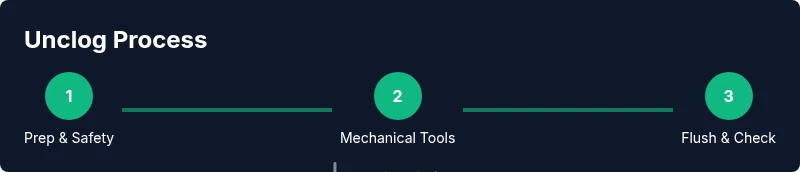
This section outlines a practical, repeatable procedure you can perform in sequence. Start by turning off the water and draining the tank. Then, gather your auger, gloves, towels, and a bucket. Insert the auger and rotate gently until resistance eases, then pull back slightly to detach the obstruction. If needed, add dish soap to the bowl and slowly pour hot water to help loosen the clog. After each major action, test by flushing gently. If the bowl remains clogged after multiple attempts, stop and consider professional assistance to avoid damaging the fixture. cleanup afterward with disinfectant and replace any protective covers. For a visual anchor, you can reference our step-by-step infographic that shows the three main stages in a concise layout. This plan minimizes risk while maximizing your chances of restoring normal operation without a plunger.
How to prevent future clogs: maintenance and best practices
Preventing clogs is easier than clearing them. Install a fine mesh strainer on the toilet bowl to catch non-flushables, and educate household members about what should and shouldn’t be flushed. Regularly use a small amount of hot water and mild soap every few weeks to keep the trap clean, especially in households with many flushes or varying water pressure. Avoid flushing paper towels, wipes, or sanitary products—even those labeled flushable. Keep a routine drain-cleaning schedule using safe, non-caustic products if you suspect slow drainage due to mineral buildup. If you rely on a septic system, minimize chemical use and watch for signs of backups. In practice, consistent maintenance reduces the odds of a sudden, stress-filled clog and helps you stay on top of minor blockages before they become major issues.
Tools & Materials
- Rubber gloves(Protect hands from wastewater)
- Old towels or rags(Place around the base to catch spills)
- Dish soap(Lubricates and helps debris slide)
- Bucket(For hot water and catching overflow)
- Toilet auger (plumbing snake)(Gently insert and rotate to break the clog)
- Disposable wipes or paper towels(Cleanup after the procedure)
- Safety goggles(Optional for splash protection)
- Old toilet brush(For final cleaning)
Steps
Estimated time: 30-60 minutes
- 1
Shut off water and prepare
Turn off the toilet’s water supply and flush to drain as much water as possible. Place towels around the base and set up your bucket and auger within reach. This prevents overflow and keeps the workspace tidy.
Tip: Having a dry bowl makes it easier for the auger to reach the blockage; keep towels handy for spills. - 2
Inspect and position the auger
Insert the auger into the drain opening and rotate clockwise. Stop if you feel resistance, then gently give a little back-and-forth motion to see if the blockage releases. Avoid forcing the tool; apply steady pressure.
Tip: If the handle stalls, pull back a few inches and reinsert to re-align with the trap. - 3
Loosen with soap and hot water
If the auger doesn’t fully clear the obstruction, squirt dish soap into the bowl and wait 5–10 minutes. Then pour hot water slowly from a container to help loosen the debris.
Tip: Use water just below boiling; boiling water can crack porcelain. - 4
Test the flush
Carefully remove the auger and attempt a gentle flush. If the water drains, repeat the auger step once more for good measure and re-test. If it stalls again, proceed to plan B or call a pro.
Tip: Test with small flushes to gauge progress without risking overflow. - 5
Clean up and disinfect
Wipe surfaces with an appropriate disinfectant, rinse tools, and wash your hands thoroughly. Dispose of single-use gloves if used, and launder towels and rags after the procedure.
Tip: Ventilate the room during cleanup to minimize fumes from cleaners.
Common Questions
Can I use chemical drain cleaners instead of mechanical methods?
Chemical drain cleaners can damage the toilet and septic system and may not effectively clear the blockage. Mechanical methods like an auger or controlled hot-water flushes are safer and more reliable for most household clogs.
Chemical cleaners can harm your plumbing and septic system. Try mechanical methods first, like an auger, and use hot water with caution.
Is it safe to use boiling water?
No. Boiling water can crack porcelain and damage seals. Use hot tap water instead and avoid rapid temperature changes in the bowl.
Boiling water can crack the toilet bowl. Stick to hot tap water and avoid boiling water.
Will this work for stubborn clogs or older toilets?
Many stubborn clogs respond to the auger and periodic hot-water flush. If there’s persistent slow drainage or repeated backups, you may need to call a plumber.
If clogs persist after several attempts, it’s wise to call a plumber to assess the pipes.
How long should I wait after using the auger before testing?
Wait 1–2 minutes after advancing the auger, then attempt a gentle flush to see if material clears. If not, repeat the auger a second time before trying other methods.
Give it a minute or two after using the auger, then test with a flush.
When should I call a plumber?
If multiple attempts fail, the clog is not clearing, or you notice wastewater backup in other fixtures, seek professional help to avoid damage.
If it won’t clear after several attempts, call a plumber.
Watch Video
Key Points
- Prepare the space and protect yourself before starting.
- Start with a toilet auger as your primary tool.
- Lubricate with dish soap and use hot water cautiously to loosen debris.
- Avoid chemical cleaners; they can cause damage and safety hazards.
- Prevent future clogs with simple maintenance and avoidance of non-flushables.