How to Deal with a Clogged Toilet Without a Plunger
Learn safe, effective non-plunger methods to unclog a toilet quickly. Step-by-step guidance, essential tools, safety tips, and maintenance from Unclog Drain to prevent future clogs.


Goal: unclog a toilet without a plunger using household methods and safe steps. You’ll use gloves, hot water, dish soap, baking soda and vinegar, a toilet auger, or a hose method. Follow these proven steps to prevent overflow and protect plumbing. This quick answer outlines immediate actions and safety checks, so you can regain a working toilet without hiring a plumber.
Why non-plunger methods are worth trying
A clogged toilet can be alarming, but plungers aren’t the only option. Non-plunger approaches reduce splash risk, minimize mess, and protect delicate toilet seals. The Unclog Drain team has found that many common household techniques can restore drainage without needing a plunger, especially for partial clogs caused by soap, tissue buildup, or mineral deposits. Understanding how these methods work helps you choose the right one for your situation and your plumbing setup. The goal is to restore flow while avoiding damage to the bowl and drain.
Safety first: PPE, shutoff, and prep
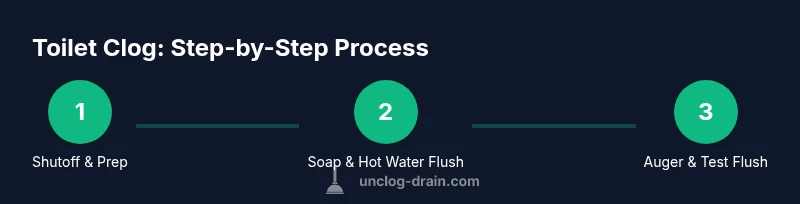
Before you touch anything, put on rubber gloves and eye protection. Locate the toilet shutoff valve behind the toilet and turn it clockwise until it stops. This prevents overflow if the water level rises. Remove excess water from the bowl with a cup or sponge so you have working space for your next steps. Lay down towels or old newspapers to catch spills and keep the area clean. These precautions protect you and your home while you work.
Non-plunger methods you can try immediately
- Dish soap + hot water flush: Squirt a generous amount of dish soap into the bowl, then slowly pour hot (not boiling) water from waist height to create pressure. The soapy film can help lubricate the blockage and push it through.
- Baking soda + vinegar reaction: Pour baking soda into the bowl, followed by vinegar. The fizz can help loosen debris. Let it sit for several minutes, then add a little hot water and try a flush.
- Gentle agitation with a non-flexible tool: If you have a toilet wand or a long-handled non-metal tool, gently stir the water surface at the sides to encourage debris movement. Do not scratch the porcelain.
Using hot water safely without causing a mess
Hot water can soften many clogs, but pouring boiling water can crack porcelain or damage seals. Use very hot tap water rather than boiling water. Pour gradually, pause to observe, and avoid pouring from great heights that could splash back. If the water level rises quickly, stop and switch to another method to prevent overflow.
The closet auger (toilet auger) method
A toilet auger is designed for clogs in the trapway that a plunger can’t reach. Remove the protective cap from the auger head and slowly insert it into the bowl, turning the handle clockwise as you extend the snake. When you feel resistance, rotate and gently push to break up the blockage. Withdraw slowly and try a test flush.
When to stop and call a pro
If you’ve tried hot water, soap, baking soda, and an auger without success, or if the toilet overflows despite precautions, it’s time to stop and contact a plumber. Persistent blockages can indicate deeper issues in the drain line or sewer connection that require professional tools and expertise. The Unclog Drain team recommends prioritizing safety and avoiding repeated aggressive attempts that could cause water damage or sewer backups.
Maintenance to prevent future clogs
- Use a weekly drain check routine to remove buildup.
- Consider a mesh toilet insert to catch solids that might contribute to clogs.
- Avoid disposing of fats, oils, or large amounts of paper products in the toilet.
- Run a quick flush and cleaning cycle to keep the trapway clear.
- Periodically inspect the wax ring and seals for leaks that can complicate blockages.
Troubleshooting flow: quick decisions when a clog happens
If water is rising fast, turn off the shutoff valve and prepare for possible overflow. If soap and hot water help, repeat once, then try the auger if needed. If none of these steps relieve the clog, don’t force the issue—seek professional help to protect your plumbing.
tip”:null}],
toolsMaterialsModeledAsNullCheck
stepByStepDataPlaceholder
tipsListDataPlaceholder
keyTakeawaysDataPlaceholder
videoEmbedDataPlaceholder
faqSectionDataPlaceholder
mainTopicQueryDataPlaceholder
Tools & Materials
- Rubber gloves(Protects hands from waste and cleaning products.)
- Old towels or disposable absorbent mats(Contain spills and protect floors.)
- Dish soap(Lubricates debris to help flush.)
- Hot water(Hot, not boiling, water from the faucet.)
- Baking soda(Humidifies and helps loosen debris.)
- Vinegar(Acid helps with mineral buildup and odor.)
- Toilet auger/closet snake(Accesses blockages in the trapway.)
- Bucket(For carrying water or catching spills.)
- Flashlight(Helps inspect the drain and trap if visibility is limited.)
Steps
Estimated time: 30-60 minutes
- 1
Turn off the water supply
Locate the shutoff valve behind the toilet and turn it clockwise until it stops. This prevents overflow if the water level rises during your attempts.
Tip: Doing this early saves you from clean-up headaches later. - 2
Remove excess water
Scoop or sponge out water until the bowl has minimal standing water. A drier bowl gives you better leverage and reduces splash risk.
Tip: Dry, wipe, and keep materials ready for quick action. - 3
Add dish soap and prepare for a flush
Squirt dish soap into the bowl to lubricate the blockage, then add hot water slowly from waist height to generate some pressure.
Tip: Let the soap sit for a moment to lubricate debris. - 4
Attempt a non-plunger flush
Pour hot water gradually and observe the level. If the water drops, repeat once more with a second flush using soap if needed.
Tip: Avoid pouring from too high to minimize splashes. - 5
Use a toilet auger if needed
Insert the auger head and turn clockwise while gently pushing forward. When you feel resistance, rotate and pull back to break the blockage.
Tip: Do not force the snake; resistance usually means you’re advancing the blockage rather than clearing it. - 6
Test the flush
After removing the auger, try a slow, steady flush. If water drains, run a second flush to clear residual debris.
Tip: If it still doesn’t drain, stop and call a professional.
Common Questions
Is it safe to pour hot water into a toilet without a plunger?
Yes, hot water from the faucet can help loosen a clog, but avoid boiling water which can crack the porcelain. Use very hot tap water and pour slowly.
Hot water from the faucet can help loosen clogs, but avoid boiling water to protect the toilet.
Does baking soda and vinegar really unclog a toilet?
Baking soda and vinegar can loosen minor buildup and odors, but they may not clear a stubborn blockage. Pair with other methods if needed.
Baking soda and vinegar can help with minor buildup, but aren’t a guaranteed fix for hard clogs.
What should I do if the toilet overflows?
Stop adding water, turn off the shutoff valve, and use towels to contain spills. If sewer gas or backup continues, call a plumber.
If overflow happens, stop and call for help if it continues after you’ve tried basic steps.
When should I use a toilet auger?
Use an auger when you suspect the blockage is in the trapway and not easily moved by soap and water alone.
Use the auger when soap and hot water don’t clear the blockage and you suspect a deeper clog.
Can I unclog without water shutoff?
Shutoff is strongly recommended to prevent overflow. If you can’t reach the shutoff, proceed with extreme care and stop if water rises.
Shut off the water to prevent overflow; if you can’t, be ready to manage spills carefully.
Why does my toilet clog repeatedly?
Repeated clogs can indicate a buildup, debris in the drain line, or improper disposal. Consider maintenance checks and potential pipe issues.
If clogs keep coming back, there may be a larger plumbing issue worth a professional check.
Watch Video
Key Points
- Turn off water to prevent overflow
- Try non-plunger methods first (soap, hot water, baking soda/vinegar)
- Use a toilet auger if accessible blockages persist
- Avoid repeated aggressive attempts that risk damage
- Maintain regular prevention to reduce future clogs