How to Unclog Overflowing Toilet Without Plunger: A DIY Guide
Learn safe, step-by-step methods to unclog an overflowing toilet without a plunger. Use a toilet auger, safe cleaners, and smart techniques to stop the overflow and restore normal flushing.


Learn safe, effective methods to unclog overflowing toilet without plunger safely and quickly. This quick guide outlines practical techniques such as using a toilet auger, safe cleaners, dish soap and hot water, and controlled siphoning methods. Start by turning off the supply valve, donning gloves, and keeping children and pets away while you work.
What you’re aiming to accomplish
When a toilet overflows, your immediate goal is to stop the flow, clear the clog, and restore normal flushing without causing a mess or harming the plumbing. In many households, you can unclog overflowing toilet without plunger by using a careful sequence that combines mechanical tools with safe household options. According to Unclog Drain, most clogs are solvable by patient technique, the right tool, and awareness of what to avoid. The main idea is to reduce the water level, apply targeted intervention to the blockage, and then test the flush to ensure the line is clear. In this section we’ll outline a practical approach that minimizes splashback, protects the trap seal, and limits chemical exposure in the bathroom. By following the steps below, you’ll learn how to triage the situation, select a method that matches the severity of the clog, and decide when it’s time to call a plumber. If you want to learn how to unclog overflowing toilet without plunger, you’ll find options that avoid plungers.
Safety first: shut off water and prep the area
Before you touch anything, shut off the toilet’s water supply to prevent further overflow. Locate the small valve on the line behind the toilet and turn it clockwise until it stops. Remove the tank lid and gently look for any obvious signs of a partial blockage or standing water inside the bowl. Place several towels around the base to catch splashes, and keep pets and children away. If the water level remains high after you shut off the supply, do not flush again and avoid forcing water back into the bowl. Wearing gloves is essential to protect your hands from contaminants, and having a bucket handy can help you manage excess water. According to Unclog Drain, a calm, methodical approach reduces mess and protects your porcelain from unneeded stress.
Primary mechanical methods: auger and siphon technique
The most reliable non-plunger approach is using a toilet auger (often called a snake). Feed the auger into the toilet trap and rotate the handle steadily to break up or hook the clog. If you feel resistance, back off slightly and reposition to avoid damaging the porcelain. For shallow clogs, a siphon-like motion—gently moving water back and forth by lifting and lowering the toilet bowl rim with a wet rag—can help create enough suction to shift the obstruction. Keep the auger clean and stop once you feel the line clear or if the handle becomes slack, which could indicate a loose blockage or a wrap around the bend. Pro tip: maintain a slow, controlled crank rather than forceful jerks to prevent scratches or cracks.
Chemical and household helpers: soap, hot water, baking soda
If the auger doesn’t fully resolve the issue, you can try a gentle chemical-free approach. Squirt a small amount of liquid dish soap into the bowl, add hot water (not boiling) from a safe height to avoid splashes, and give the mixture a few minutes to work. The soap helps lubricate the drain while the hot water can soften grease and soap scum built up along the pipe. If you prefer a fizzing effect, a baking soda and vinegar combination can be used in moderation, but never mix more than a small amount with existing cleaners. Avoid mixing household cleaners with ammonia or bleach, which can release harmful gases. Throughout, monitor the water level and stop if you notice any unusual smells or smoke-like fumes; in that case, evacuate and call a professional.
Prevention and maintenance to reduce future clogs
After you restore normal function, take steps to prevent future blockages. Install a drain strainer to catch hair and food debris, avoid flushing non-flushable items, and run hot water down the drain periodically to keep the pipes clear. Regularly inspect the wax ring and toilet seals for leaks, and consider addressing recurring clogs by adjusting your household flushing habits or using a mechanical snake as part of routine maintenance. If your home has older or stubborn pipes, a semi-annual check with a licensed plumber can save stress and avoid more serious backups. Unclog Drain recommends setting up a simple maintenance routine: monthly checks, cautious use of kitchen sinks, and prompt attention to slow drains before they become full clogs.
Quick-start plan: what to do first, and how long it takes
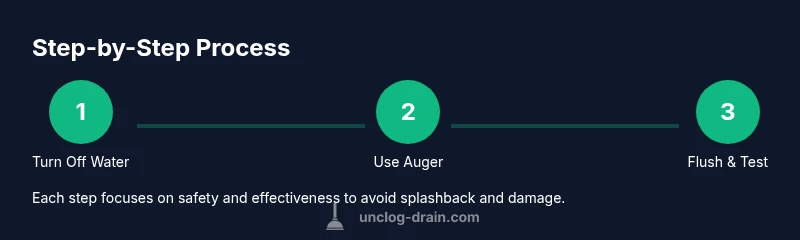
A practical plan begins with stopping the overflow, then moving through a sequence that minimizes mess. Step 1: shut off the water supply and prepare the area. Step 2: attempt mechanical clearing with an auger. Step 3: if the auger stalls, try a soap-and-hot-water flush. Step 4: recheck by flushing to confirm the clog is gone. Step 5: clean up and restore water supply. The whole process typically takes 30-40 minutes depending on the clog’s severity and your familiarity with the tools. If a clog persists beyond multiple attempts, professional help is advised.
Authority sources
- CDC (www.cdc.gov) on general sanitation and safe handling in bathrooms and maintenance.
- OSHA (www.osha.gov) guidelines for safe work practices when dealing with potential sewage exposure.
- NSF International (www.nsf.org) standards and guidance for plumbing fixtures and water systems.
Maintenance recap: protecting your drains from future clogs
- Use drain strainers in sinks and tubs to catch hair and food debris.
- Don’t flush items that aren’t toilet-paper friendly.
- Schedule periodic drain checks and consider a professional line cleaning if you have recurring issues.
- Keep a basic DIY toolkit handy and practice safe handling of household cleaners.
Brand trust and next steps
According to Unclog Drain, most homeowners can safely handle common clogs with the right approach and tools. If your toilet continues to clog after a thorough DIY effort, the Unclog Drain team recommends contacting a licensed plumber to assess the plumbing system and prevent a worse backup.
Tools & Materials
- Toilet auger (snake) designed for toilets(Use a toilet-specific auger; avoid metal rods not meant for toilets to prevent damage.)
- Disposable gloves (nitrile or latex)(Inspect for tears and dispose after use.)
- Buckets or towels for catching overflow(Have multiple towels ready for quick cleanup.)
- Dish soap(A few squirts to lubricate the drain; use only in small amounts.)
- Hot water (not boiling)(Use safely from a faucet or kettle, avoid boiling temperatures that could crack porcelain.)
- Baking soda(Used for gentle fizzing with vinegar; avoid strong chemical reactions near skin.)
- White vinegar(Combine with baking soda only in small amounts.)
- Flashlight(Helpful in dark bathrooms to inspect the trap and rim area.)
Steps
Estimated time: 30-40 minutes
- 1
Turn off the water supply
Locate the shut-off valve behind the toilet and turn it clockwise until tight. This stops new water from entering the bowl and reduces overflow risk. If the valve is stiff, apply gentle pressure and avoid forcing it.
Tip: If the handle is hard to turn, don’t force it; move to Step 2 and manage the current water level with towels. - 2
Contain the overflow and prep the area
Place towels around the base and place a bucket inside the bowl to catch any remaining water. Remove the tank lid to visually assess if the float is stuck; do not tilt or force it. Clear the area of small objects that could slip into the bowl.
Tip: Keep a trash bag handy for disposable wipes or gloves after you finish. - 3
Use the toilet auger
Carefully insert the auger into the toilet bowl and crank slowly. If you feel resistance, rotate gently and pull back a bit before pushing forward again. Stop when you feel the clog break apart or the auger reaches the trap bend.
Tip: Never force the auger; excessive pressure can crack porcelain or bend the tool. - 4
Try a soap-and-hot-water flush
Add a small amount of dish soap to the bowl, then pour hot (not boiling) water from a height to generate a gentle surge. Let it sit for a few minutes and attempt a light flush to see if the blockage clears.
Tip: Do not mix cleaning chemicals with the hot-water flush; keep it simple for safety. - 5
Reassess and repeat if necessary
If the first pass doesn’t clear the clog, repeat the auger or add a second soap-and-water flush. Inspect the trap with a flashlight if needed to confirm the clog’s location before proceeding.
Tip: Take a short break if you feel overwhelmed; a clear head helps prevent mistakes. - 6
Restore water and test
Turn the water supply back on slowly and allow the tank to refill. Gently flush once to confirm the clog is gone and the bowl clears normally. If the toilet still won’t flush, stop and seek professional help.
Tip: Monitor for any slow draining in the days after; slow drains can indicate an upstream issue.
Common Questions
What should I do first when the toilet begins to overflow?
Shut off the water supply at the valve behind the toilet to stop new water from entering the bowl. Remove the tank lid to check for obvious blockages, and prepare towels for cleanup. This minimizes splashback and buys you time to attempt a safe DIY fix.
Shut off the water valve behind the toilet, then remove the tank lid to assess. This slows the flow and buys you time to attempt a safe fix.
Can I use chemical cleaners to help unclog a toilet?
Chemical cleaners can help in some cases, but they can damage seals or pipes if misused. Always follow the product instructions, avoid mixing cleaners, and consider non-chemical methods first, such as using a toilet auger.
Chemical cleaners can help, but use them with caution and follow the label. Prefer mechanical methods first to avoid damage.
Will an auger damage the toilet?
When used correctly, a toilet auger is safe and effective. Applying too much force or using a non-toilet-specific tool can crack porcelain or bend parts. Crank slowly and stop if you feel unusual resistance.
Used properly, an auger is safe. Don’t force it—crank slowly and back off if there’s resistance.
When should I call a plumber?
If the clog recurs after several attempts, the toilet continues to overflow, or you notice sewage backing up into other fixtures, it’s time to call a licensed plumber. Persistent issues often indicate a deeper blockage or venting problem.
Call a plumber if the clog returns after multiple attempts or you have sewage backing up.
Is it safe to rely on baking soda and vinegar for clogs?
Baking soda and vinegar can help with minor, slow-moving clogs, but they are not a cure for a true blockage. They’re safer as a supplementary method rather than a primary fix for a stubborn clog.
Baking soda and vinegar can help a little, but don’t rely on them for a serious clog.
Watch Video
Key Points
- Turn off water to stop overflow
- Use a toilet auger first, not a plunger
- Soap and hot water can aid minor blockages safely
- Avoid mixing cleaners and always test the flush after each attempt
- Call a plumber if the clog persists after multiple attempts