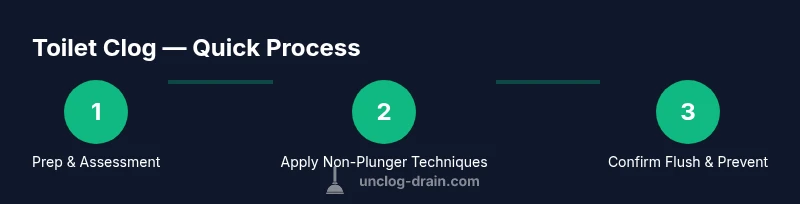
How to Unclog a Toilet Without a Plunger: Reddit-Inspired DIY Guide
Discover safe, step-by-step methods to unclog a toilet without a plunger. Practical tips, tools, precautions, and when to call a professional, drawing on Reddit-inspired DIY approaches and Unclog Drain expertise.


Learn to unclog a toilet without a plunger using safe, proven methods. Start with dish soap and hot water to loosen the blockage, then try a toilet auger or a wet/dry vac to pull or siphon the obstruction. If water backs up or you’re unsure, seek professional help.
Why Reddit-Inspired DIY Approaches Can Help (Without a Plunger)
When a toilet clogs, homeowners often reach for a plunger first. Yet many Reddit threads highlight accessible, safe alternatives that avoid the potential mess or damage a vigorous plunge can cause, especially on older toilets or low-flow models. The Unclog Drain team has analyzed common user-generated remedies and found that simple kitchen-sink techniques—like dish soap with hot water—can loosen the blockage, while specialized tools like a toilet auger can thread through the trap to clear it. This section explains why non-plunger methods can work and how to choose a strategy that minimizes risk while maximizing your odds of a successful clear.
Quick Diagnostic: Is a Plunger Really Necessary?
Before trying any method, assess the situation. If the water level rises quickly or there’s sewage backup, stop and avoid forcing a plunge or pouring more water. These signs suggest a deeper blockage or sewer-related issue. Check that the toilet is a standard gravity-flush model; some high-efficiency toilets behave differently with non-traditional remedies. A cautious check helps prevent overflows and messy cleanups, which aligns with practical DIY guidance from Unclog Drain.
Method 1: Dish Soap + Hot Water to Loosen the Clog
Dish soap acts as a lubricant for the blockage, while hot water helps dissolve grease or mineral buildup that traps solids. Pour about a cup of dish soap into the toilet bowl, then add hot water (not boiling) from a height to create pressure. Let it sit for 5–10 minutes, then flush or gently swirl with a toilet brush to test flow. If water remains still, move to Step 2.
Method 2: Using a Toilet Auger (Drain Snake)
A toilet auger is designed to navigate the toilet’s bend and reach the clog with a flexible, torsional snake. Insert the auger into the drain until you encounter resistance, then gently twist and push to break up or trap the blockage. Retract and repeat as needed. This method is particularly effective for flushable blockages caused by toilet paper or small objects.
Method 3: Wet/Dry Vacuum (Careful Use)
A wet/dry vacuum can be used to suck the blockage out if it’s not too far down the drain. Seal the hose around the toilet drain to avoid air leaks, set the vacuum to liquid mode, and create a slow, controlled suction. Do not use it near electrical outlets or while the tank is actively refilling. Safety-first guidance is essential here.
Method 4: Siphon Water via Bucket Technique
Fill a bucket with hot water and carefully pour it into the bowl from a height to generate a strong siphon. This can push the blockage through the trap or loosen it enough to flush. Use gradual pours and pause if water starts rising. Repeat as needed, but avoid overfilled water that could overflow.
Method 5: Chemical-Free Cleaning to Avoid Harsh Chemicals
If you’re avoiding harsh chemicals, rely on mechanical methods first. Baking soda and vinegar can help in some cases, but they’re slower and less forceful than heat and mechanical tools. Never mix acids with bleach or drain cleaners in a toilet; fumes and chemical reactions can be dangerous.
What Not to Do: Common Mistakes to Avoid
- Don’t repeatedly plunge if the water is rising; you may cause overflow.
- Don’t pour boiling water into a porcelain toilet; it can crack the bowl.
- Don’t mix chemical cleaners with other products; dangerous gases can form.
- Don’t use metal objects that can scratch the porcelain or damage the trap.
Safety & Hygiene After Unclogging
After clearing the toilet, sanitize the bowl, flusher handle, and surrounding surfaces. Wear gloves, disinfect the floor, and launder towels used during the process. Proper disposal of any rags or protective gear helps prevent recontamination. A quick vent or fan aids odor control.
When to Call a Professional
If the clog recurs or you notice sewer odors, multiple fixtures backing up, or water rising to the rim, it’s time to contact a plumber. Persistent clogs can indicate deeper line problems, vent blockages, or septic-system issues that require professional equipment and expertise.
Preventive Steps to Minimize Future Clogs
- Use a minimal amount of toilet paper and avoid flushing non-flushable items.
- Install a toilet screen or filter for debris-prone bathrooms.
- Schedule regular maintenance checks if you have a septic system or older plumbing.
- Periodically flush with a gallon of hot water to keep the trap clear.
Tools & Materials
- Rubber gloves(Size large; protect skin from contaminants)
- Toilet auger (snake)(Low-profile, about 3-6 feet long for most toilets)
- Dish soap(Clear or mild soap; use a generous amount (1 cup) when possible)
- Hot water(Not boiling; around 120-140°F (49-60°C))
- Bucket(For hot water and transfer steps)
- Towels or old rags(Protect floor and absorb spills)
- Flashlight(For dark corners and low-light bathrooms)
- Wet/dry vacuum(If used, set to liquid mode and handle carefully)
Steps
Estimated time: 30-45 minutes
- 1
Prep the area
Put towels around the base to catch splashes and wear rubber gloves. Clear the area and ensure children or pets are away. This initial setup reduces mess and protects your hands as you work.
Tip: Lay towels in a U-shape around the toilet for maximum splash protection. - 2
Assess the clog
Check the water level without flushing. If it’s rising or near the rim, pause before attempting aggressive methods. Decide whether you’ll start with dish soap or move straight to the auger.
Tip: If unsure, start with soap and hot water before mechanical tools. - 3
Apply dish soap + hot water
Pour dish soap into the bowl and add hot water from a height to create a gentle surge. Let it sit for 5–10 minutes to lubricate and loosen the blockage.
Tip: Avoid boiling water to prevent porcelain damage. - 4
Try the toilet auger
Insert the auger tip into the drain and rotate while pushing slowly until you feel resistance. Attempt to break up or retrieve the clog, then retract and test flush.
Tip: Be patient; heavy clogs may take several attempts. - 5
Employ wet/dry vacuum (optional)
If available, seal the hose around the drain and set to liquid mode. vacuum gently to pull the clog toward the bowl and out of the drain.
Tip: Never use an electrical outlet nearby; keep it dry. - 6
Siphon with water bucket
If the drain remains sluggish, pour hot water from a bucket into the bowl in a controlled way to induce a siphon and push the blockage through the trap.
Tip: Pour slowly to avoid overflow. - 7
Test the flush
Allow the tank to refill and flush once or twice to see if the flow has improved. If toilet still malfunctions, stop and consider professional help.
Tip: Don’t push beyond a few cycles if the water level stays high.
Common Questions
Can you unclog a toilet without a plunger if the water is rising or backing up?
If water is rising toward the rim, stop and avoid forcing a flush. Use protective measures and switch to a non-plunger approach like a toilet auger or dish soap with hot water. If the backup continues, call a plumber.
If water is rising, stop and try safer DIY methods like an auger or soap plus hot water, and seek professional help if it persists.
Is it safe to use dish soap and hot water to unclog a toilet?
Yes, dish soap can lubricate the clog, and hot water can help loosen it. Do not use boiling water to avoid cracking the porcelain, and test the flow after a short wait.
Soap and hot water can help loosen the clog, but avoid boiling water and test the flush after waiting a few minutes.
When should I avoid DIY methods and call a professional?
If multiple fixtures are backing up, the toilet still won’t flush after several attempts, or you notice sewer odors, it’s time to contact a plumber. Blockages may involve main lines or vent issues.
Call a plumber if backups persist or you smell sewer gas; there could be a bigger problem.
Can using a toilet auger damage the toilet or plumbing?
Using a toilet auger incorrectly can scratch porcelain or push the clog into the drain line. Use gentle pressure and follow the tool’s instructions. If in doubt, stop and seek professional help.
An auger can hurt the toilet if used roughly; use it carefully and follow the instructions.
Will preventing clogs require special maintenance?
Yes. Flushing only toilet paper, avoiding non-flushables, and periodic warm-water flushes can reduce buildup. Consider septic-system-specific guidelines if applicable.
Regular maintenance and mindful flushes help prevent future clogs.
Watch Video
Key Points
- Unclogging without a plunger is doable with soap, heat, and tools.
- Toilet auger or wet/dry vac can clear many clogs without plunger use.
- Safety and hygiene are essential—protect your floors and yourself.
- If DIY fails or backups worsen, call a professional promptly.
- Prevent future clogs with mindful flushing and maintenance.