How to unclog a toilet without a plunger: practical DIY guide
Learn proven, safe methods to unclog a toilet without a plunger. Step-by-step guidance, practical tools, and common pitfalls—brought to you by Unclog Drain.


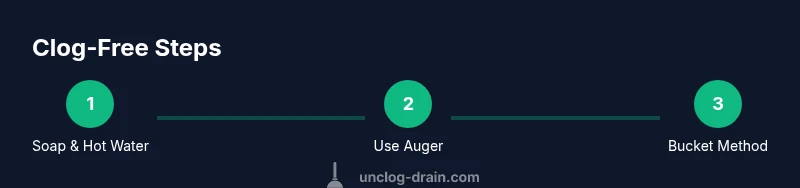
To unclog a toilet without a plunger, start with safe, proven methods before trying tools. You can use hot water with dish soap, a toilet auger, or a bucket of water to clear the blockage. If needed, follow a step-by-step approach and apply gentle techniques to avoid overflow. According to Unclog Drain, patience and the right method prevent damage.
Why a toilet might clog and what 'without a plunger' means
Toilets clog for several reasons: a surge of toilet paper, remnants of wipes, or objects that slip past the bowl rim. When you don’t have a plunger handy, the goal is to restore flow without risking a spill or damaging the porcelain. According to Unclog Drain, most blockages respond to a few science-based techniques that rely on gravity, lubricants, and controlled pressure rather than brute force. Understanding the common culprits helps you choose the right method in the right order, saving time and mess. This approach also reduces frustration during a stressful moment, especially for new DIYers. By staying methodical, you minimize the risk of overflow and damage while you regain a clear bowl.
Key ideas to keep in mind include keeping the water level steady, avoiding aggressive taps, and choosing methods with the least risk first. If the blockage is caused by thick toilet paper, wipes, or debris, you can often clear it with simple lubrication and pressure steps. For stubborn cases, moving to a tool like a closet auger is reasonable, but always with care to protect the porcelain and seals. The takeaway is: assess, then act with a plan, not with panic.
Safety first: protect yourself and your plumbing
Before you begin, put on rubber gloves and keep towels nearby. Never mix chemical drain cleaners with other cleaners or with household products, as dangerous fumes can form. If your toilet has already started to overflow, turn off the toilet’s fill valve if possible and wait for the water level to recede. Unclog Drain emphasizes patience and clean water flow as essential parts of any plunger-free fix. Wearing gloves not only keeps you clean but also reduces the spread of germs. Work in a well-lit area and avoid rushing, which can lead to mistakes that may require more involved repairs later. If you have pets or children nearby, take extra precautions to keep them safe from splashes and cleaning products.
Hot water and dish soap: the gentle first step
A simple, non-destructive method is to use dish soap plus hot water to lubricate and loosen the clog. Pour about a quarter to half a cup of dish soap into the bowl and let it sit for 5–10 minutes. In a separate container, heat water to just below boiling (roughly 120–140°F / 49–60°C) and carefully pour it into the bowl from about 12 inches above the rim. The combination can soften the blockage and create a surge that moves material through the trap. If a temporary gurgle occurs, wait another 5 minutes and try gently flushing once more. Note: never use boiling water, as it can crack the ceramic. For many households, this method is enough to push the clog past the trap and restore normal flow. If the water remains high after the first attempt, proceed to the next method instead of forcing a flush.
This step relies on lubrication and temperature to loosen compacted material. Soap reduces friction, while the hot water expands clog components slightly to improve flow. Don’t be discouraged if the water doesn’t clear immediately—patience matters, and small incremental improvements accumulate over time.
Using a toilet auger (closet snake)
If soap and hot water don’t clear the clog, a toilet auger is your next tool. Carefully insert the auger’s tip into the toilet drain and rotate clockwise while advancing until you feel resistance. Keep the handle steady and push gently; avoid forcing it, which can crack the porcelain. Once you feel push-back or the line clears, retract the auger slowly while continuing to rotate. Then slowly flush to test the outcome. If material can be pulled out, wear the gloves and dispose of it in a bag. This method reaches blockages that sit deep in the drain pipe and is particularly effective for paper buildup and small hard objects. Use short, controlled motions to avoid tangling the line around itself.
Tip: If you meet stubborn resistance and the auger begins to kink, stop and reassess—the problem may be deeper in the drain or indicate a more serious blockage requiring professional help.
The bucket-and-water technique: gravity and pressure
Another plunger-free option is to substitute gravity with repeated, controlled water releases. Fill a sturdy bucket with hot water (not boiling) and pour it into the bowl from about a foot above the rim. Aim for a quick, smooth pour rather than a splashy dump. This technique can push the blockage through the trap when combined with a bit of dish soap. For best results, repeat a couple of times and then flush. If the water begins to back up, stop and move to safer steps rather than forcing a flush. This approach is especially useful when the bowl is at or near full, and the auger isn’t an option.
Consistency matters here; a few well-timed pours can create the pressure needed to move waste blocks through the bend.
When to stop and call a professional
If you see sewage backing up, hear slurping sounds, or the water level stays high after multiple attempts, stop and call a plumber. Repeated stress on the toilet can lead to cracks or leaks, and persistent clogs may indicate a deeper problem in the drain line or sewer. The Unclog Drain team recommends not forcing any tool or chemical beyond what feels comfortable. A professional can diagnose issues like a blocked main line or a broken seal. Early intervention can prevent costly water damage and minimize the disruption in your home.
If the toilet continues to clog after trying all recommended methods, it’s a strong sign that a more serious issue is present and requires expert equipment and training. In such cases, having a plan for a service call helps reduce anxiety and speeds resolution.
Prevention: keep clogs at bay with smart habits
To reduce future clogs, avoid flushing non-toilet-paper items like wipes, cotton balls, or hygiene products. Use moderate amounts of toilet paper and consider a routine maintenance check for your plumbing, including the trap and vent pipes. Regularly inspecting and addressing minor leaks can prevent buildup and extend the life of your system. The strategy is simple: think before you flush and keep the drain clear with minor, proactive steps. Small habits today prevent bigger problems tomorrow, especially in homes with older or narrower drain lines. Unclog Drain recommends periodic checks as part of a home maintenance plan to minimize emergencies.
Prevention is simpler than cure; with consistent habits, you can dramatically reduce the chance of future clogs and the need for drastic measures.
Choosing the right tool for your toilet and situation
Plungers can be fast for many people, but for this guide we focused on safe, plunger-free methods first. A closet auger is generally the most reliable specialized tool for stubborn clogs, while the hot-water-and-soap method works well for soft blockages near the trap. For frequent issues, consider consulting a plumber for a professional assessment and potential main-line concerns. By keeping a small toolkit and a calm approach, you’ll handle most clogs without a messy emergency. If you suspect a larger problem, coordinate with a professional to avoid accidental damage and ensure a long-term fix.
Tools & Materials
- Rubber gloves(Protects hands from waste and bacteria)
- Dish soap(Lubricates blockages, helps water flow)
- Hot water (not boiling)(Heat to about 120–140°F (49–60°C))
- Toilet auger / closet snake(3–6 ft length; gentle rotation)
- Large bucket or jug(For transferring hot water safely)
- Towels or old rags(Contain splashes and protect floor)
- Flashlight(Better visibility in dark bathrooms)
Steps
Estimated time: 15-45 minutes
- 1
Prepare the area
Clear the floor around the toilet and lay towels to catch splashes. Put on gloves and ensure you have good lighting. This first step reduces mess and keeps you in control as you proceed.
Tip: Guard against spills by placing a washable mat and having a waste bag ready. - 2
Add dish soap and wait
Pour a generous amount of dish soap into the bowl and let it sit for 5–10 minutes. The soap lubricates the blockage and can start loosening the material. Do not force the water level yet; allow lubrication to do the work.
Tip: Use plain dish soap; avoid anti-bacterial or scented variants that might foam unpredictably. - 3
Heat and pour hot water
Heat water to roughly 120–140°F (not boiling) and pour from about 12 inches above the rim. This creates a hydrostatic push that can nudge the clog through the bend. Wait a moment, then test by flushing gently.
Tip: Pour in a steady stream rather than dumping it all at once to minimize splashes. - 4
Try the toilet auger
Insert the auger into the drain and rotate clockwise while applying gentle pressure until you feel resistance. Do not force; the goal is to dislodge, not break. Retract slowly while continuing to rotate, then flush to test.
Tip: If the auger snags, back out slightly and alternate pressure directions. - 5
Repeat the water-jet method if needed
If the auger clears a path, attempt another quick round of hot water pours from a height. Follow with a test flush to confirm flow has improved. Repeat only as long as you see progress to avoid overflow.
Tip: Limit total attempts to avoid stressing the porcelain and seals. - 6
Assess the result and flush
If the bowl drains normally with a single flush, you’ve succeeded. If water remains high, avoid flushing again and move to safer options or call a plumber. Keep an eye on odors or slow drainage in other fixtures as potential warning signs.
Tip: Do not mix methods mid-test; pick one path and complete it before switching strategies. - 7
Know when to stop and seek help
Persistent clogging after multiple safe methods indicates a deeper problem. Document what you tried and consider a professional evaluation. A professional can identify issues such as main-line blockages or vent problems.
Tip: Time-saving tip: schedule a professional visit early if you notice recurring clogs.
Common Questions
Can I use hot water and dish soap on a porcelain toilet?
Yes, as long as the water is hot but not boiling. Dish soap helps lubricate, and a gentle pour can move the blockage. If there’s any cracking risk or lingering odor, discontinue and try a different method.
Yes, hot water and dish soap are generally safe for porcelain as a first step, but avoid boiling temperatures and stop if you hear cracking sounds.
Is a toilet auger safe for my toilet?
Yes, a toilet auger is designed for toilet drains. Use slow, steady rotations and don’t force beyond the point of resistance. Clean and dry the auger after use.
Yes, a toilet auger is safe when used gently and according to the instructions.
What should I do if the toilet overflows?
Turn off the shut-off valve to stop more water from entering the bowl. Do not flush again. Use towels to absorb spills and prepare for cleanup while you assess the blockage.
If it overflows, stop and avoid flushing. Contain the spill and assess the blockage before trying again.
Will chemical drain cleaners help unclog a toilet?
Most chemical cleaners aren’t recommended for toilets. They can damage seals, create dangerous fumes, and complicate professional repairs. Safer, plunger-free methods should be tried first.
Chemical cleaners are not usually the best option for toilets and can be hazardous.
How long does the hot water method take to work?
In many cases, you’ll notice improvement within 5–15 minutes, especially if the clog is soft. If there’s no change, move to the auger or bucket method and test again.
You might see improvement in about 5 to 15 minutes with hot water and soap.
When should I call a plumber?
Call a plumber if the clog persists after trying safe methods or if you notice sewage smells, multiple drains slow, or water backup in other fixtures. They can diagnose main-line issues or vent problems.
If the clog won’t clear after several attempts, a pro can help identify deeper problems.
Key Points
- Start with soap and hot water before tools.
- Use a toilet auger for deep blockages.
- Avoid chemical drain cleaners in toilets.
- Do not force tools; stop if resistance increases.
- Prevent future clogs with smart flushing habits.