How to Use Dish Soap to Unclog a Toilet
Learn a safe, kitchen-soda method to unclog a toilet using dish soap. This step-by-step guide covers preparation, technique, safety tips, and when to seek professional help.


Using dish soap to unclog a toilet is a gentle, beginner-friendly method you can try before calling a plumber. Start by adding a generous squirt of dish soap into the bowl, then wait a few minutes for it to lubricate the blockage. If the toilet remains stubborn, pair it with hot water and a plunger.
Understanding the Science Behind the Soap Method
Using dish soap to unclog a toilet works mainly by reducing surface tension and providing a slippery layer that helps the clog move more freely under pressure. According to Unclog Drain, this simple kitchen staple can complement physical means like plunging by making the water and debris glide more easily past one another. Soap alone won't dissolve a solid blockage, but when paired with the right amount of water and a gentle plunge, it can loosen debris such as toilet paper and soap film that often slow down drainage. In practice, the approach looks like a short setup: guard the floor with towels, add a liberal squirt of dish soap into the bowl, and give the soap a moment to mix with the standing water. When the time comes to act, you should still rely on a proper plunger as your primary tool, using the soap as a high-value lubricant that reduces friction as you work. This combination is safe for most toilets and household plumbing, and it avoids the hazards of chemical drain cleaners. Remember: the goal is to loosen the blockage enough to restore a smooth, single flush.
When It Makes Sense to Try Dish Soap
Dish soap is a low-risk, affordable first step when a toilet is starting to clog but not completely blocked. If the water level rises slowly, or if you notice a sluggish flush, a soap-based approach can give you a chance to clear the blockage without resorting to harsher chemical cleaners. The method also buys you time to decide whether a plunger, a bathroom snake, or professional help is needed. Always assess the situation: if sewage exposure occurs, or if you see sustained overflow, stop and call a plumber immediately. If the block is caused by toilet paper building up, soap can help. For mineral buildup, this method is less effective. Safety: keep children away, ventilate the room; avoid mixing with other cleaners. Take your time and proceed calmly.
A Practical Sequence: Soap, Water, and Plunging
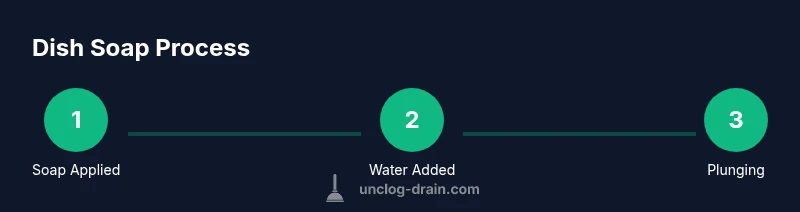
Think of the method as a three-part workflow. First, the soap coats the water, forming a slippery layer that reduces friction against the blockage. Second, hot water helps lift the clog and flush faster, while also activating some soaps' lubricating properties. Third, the plunger creates back-and-forth pressure that can push the loosened material through the trap. In practice, start by applying dish soap, then add hot water, and finally use the plunger with steady pressure. This flow minimizes splash and maximizes control, which is crucial for partially clogged toilets. If you see any overflow or geysers, stop and clean up before continuing.
Common Mistakes That Undermine the Soap Trick
Common mistakes include using too much soap, which can create excessive foam and a more stubborn blockage; using boiling water, which risks porcelain damage; skipping gloves and towels, leading to messy spillages; plunging with no seal or from a wrong angle, wasting energy; and relying on repeated aggressive plunging after only a short wait. Another pitfall is treating dish soap as a guaranteed fix for a major blockage; it's a first aid technique, not a replacement for mechanical tools. By avoiding these missteps and following the recommended wait time and plunging technique, you improve your odds of success without damaging the toilet.
If Dish Soap Fails: Next Steps
If the soap method doesn't clear the clog, proceed with a structured plan. Reassess the situation, then try a toilet plunger with better technique or a toilet auger (snake) to reach deeper blockages. Do not mix chemical cleaners with soap or use aggressive chemical remedies in a residential toilet. If the blockage remains stubborn after attempting a plunger and a snake, it’s time to call a plumber. A professional has the right tools and experience to avoid damaging the porcelain or harming your home's plumbing.
Maintenance Tips to Prevent Future Clogs
Prevention is easier than cure. Regularly flush with an appropriate amount of water, avoid flushing large quantities of paper at once, and never flush non-dispensable items like wipes or feminine hygiene products. Consider routine inspections of the toilet and surrounding plumbing, and keep a basic drain-cleaning kit ready for minor issues. A simple habit like waiting a few minutes after initiating a flush to observe how the bowl responds can save you from bigger clogs.
Tools & Materials
- dish soap(Any standard household dish soap)
- hot water(From the tap; not boiling)
- rubber gloves(Protect hands during cleaning)
- plunger with flange(Standard toilet plunger)
- towels or old rags(Protect floor and catch spills)
- bucket(Optional for extra water or spill containment)
- paper towels(For quick cleanup)
Steps
Estimated time: 40-60 minutes
- 1
Gather supplies and protect the area
Put on rubber gloves, lay down towels to protect the floor, and remove any items near the toilet that could be damaged. Have a bucket handy for any spills and keep the area well-ventilated.
Tip: Use a dedicated workspace and keep children away from the bathroom during the process. - 2
Add dish soap to the bowl
Squeeze a liberal amount of dish soap into the toilet bowl so the water surface becomes visibly soapy. The soap will help lubricate the sides of the drain and lower friction for the next step.
Tip: Avoid adding more soap after you start plunging; extra foam can hinder proper plunging. - 3
Pour hot water into the bowl
Carefully pour hot water from a safe height to help the soap spread and create a slight pressure that aids loosening the clog. Do not use boiling water to prevent cracking the porcelain or loosening seals.
Tip: Keep your hand steady and pour gradually to reduce splashing. - 4
Wait for the soap to work
Allow the solution to sit for about 8–15 minutes. This pause lets the soap lubricate the clog and for the water to exert gentle pressure without forcing a splashy flush.
Tip: Do not rush to plunge; patience improves the odds of a successful release. - 5
Position the plunger and plunge
Place the flange of the plunger into the drain opening, create a tight seal, and plunge with firm, controlled up-and-down motions for 15–30 seconds. Break the seal between plunges if you feel resistance.
Tip: A steady, rhythmic motion is more effective than quick, forceful pushes. - 6
Test the flush and repeat if needed
After plunging, flush the toilet to see if drainage improves. If the water still backs up, repeat the plunger cycle once or twice. Avoid over-plunging, which can damage the seals or porcelain.
Tip: If the water drains slowly but not completely, give it another cycle rather than giving up immediately. - 7
Escalate if necessary
If multiple cycles fail to clear the clog, move to a toilet auger or call a plumber. Do not mix cleaners beyond dish soap with water, and avoid chemical drain cleaners in a toilet.
Tip: A professional can safely remove hard blockages without risking plumbing damage.
Common Questions
Can dish soap alone unclog a toilet?
Dish soap can help with partial clogs by lubricating the path for water and debris, but it often won’t clear a full, stubborn blockage. Pair it with proper plunging or a mechanical tool when needed.
Soap can help if the clog is partial, but you’ll often need plunging or a snake for a full blockage.
How much dish soap should I use?
Use a generous amount to create a slippery film, but avoid excessive foam that makes plunging harder. Start with a reasonable amount and adjust based on how the toilet reacts.
A generous amount, enough to create a slippery film, but don’t flood it with foam.
Is it safe to use hot water with dish soap in a toilet?
Yes, warm or hot water is generally safe for most toilets when used carefully. Avoid boiling water to prevent porcelain damage and seal loosening.
Warm water is fine; avoid boiling water to protect the toilet.
What should I do if dish soap and plunging don’t work?
Try a toilet auger (snake) to reach deeper blockages. If that fails or you’re not comfortable, call a plumber to avoid damaging the toilet or plumbing.
If plunging fails, use a toilet auger or call a plumber for safe resolution.
Can I combine dish soap with baking soda or vinegar?
Mixing cleaners like baking soda and vinegar with dish soap is not recommended in a toilet because it can create unpredictable foaming and fumes. Stick to soap and water with plunging first.
Don’t mix dish soap with baking soda or vinegar in the toilet; it can foam unpredictably.
Watch Video
Key Points
- Lubricate the clog with dish soap to reduce friction.
- Combine soap with warm water and controlled plunging for best results.
- If the blockage persists, escalate with a toilet auger or professional help.
- Practice prevention to reduce future clogs.